
5 Surprising Ways Improved Indoor Air Quality Can Boost Your Family’s Health
Most homeowners prioritize the comfort and temperature of their living spaces, ensuring that the thermostat is set perfectly for the season. However, there is a hidden element of home wellness that often goes unnoticed: the microscopic environment within your walls. Because modern homes are built to be airtight for energy efficiency, they often trap pollutants, allergens, and moisture inside. Prioritizing improved indoor air quality is about more than just removing dust; it is about creating a biological environment that supports every aspect of your family’s physical and mental well-being. By understanding the profound impact that clean air has on the human body, you can transform your home into a true recovery zone.
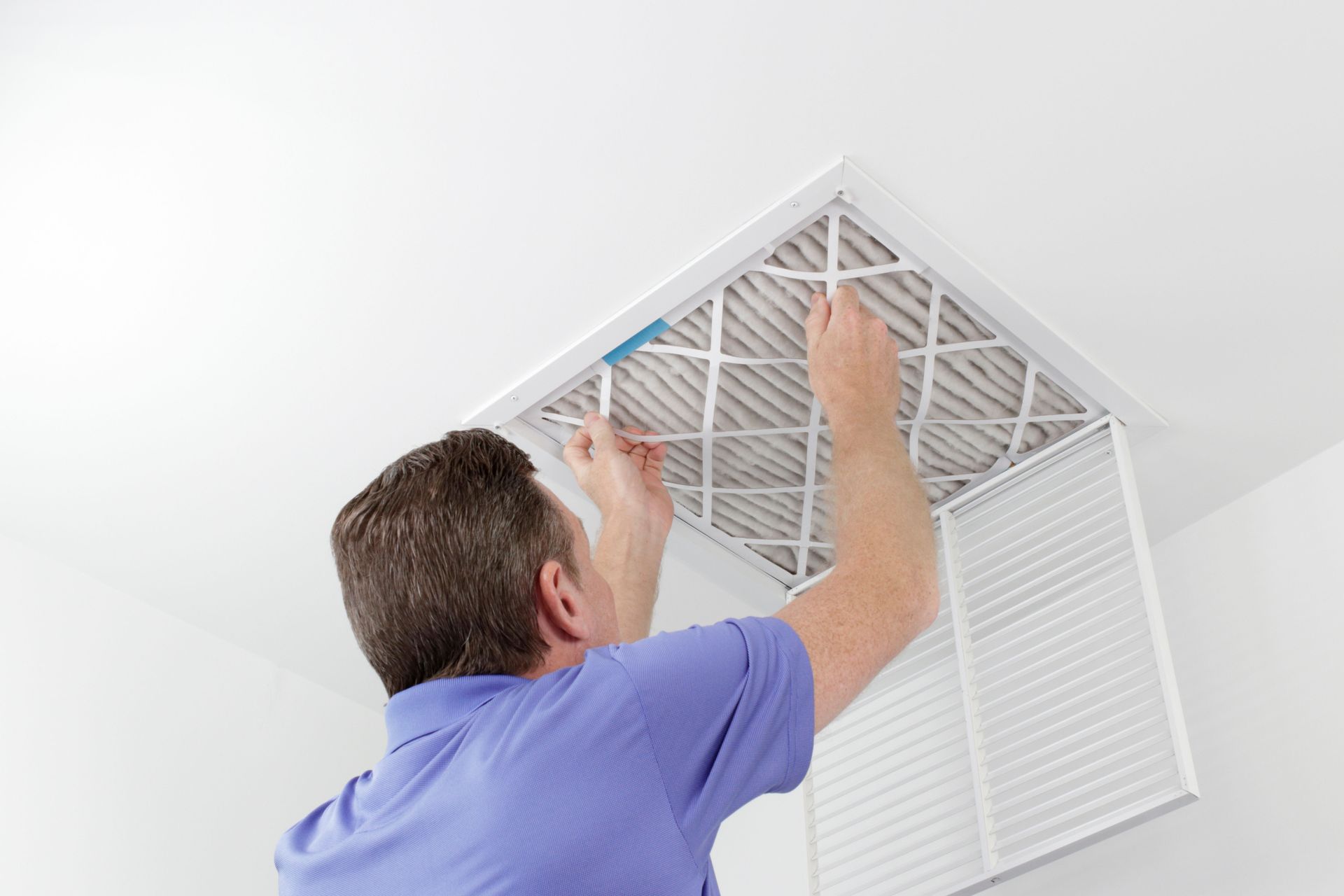
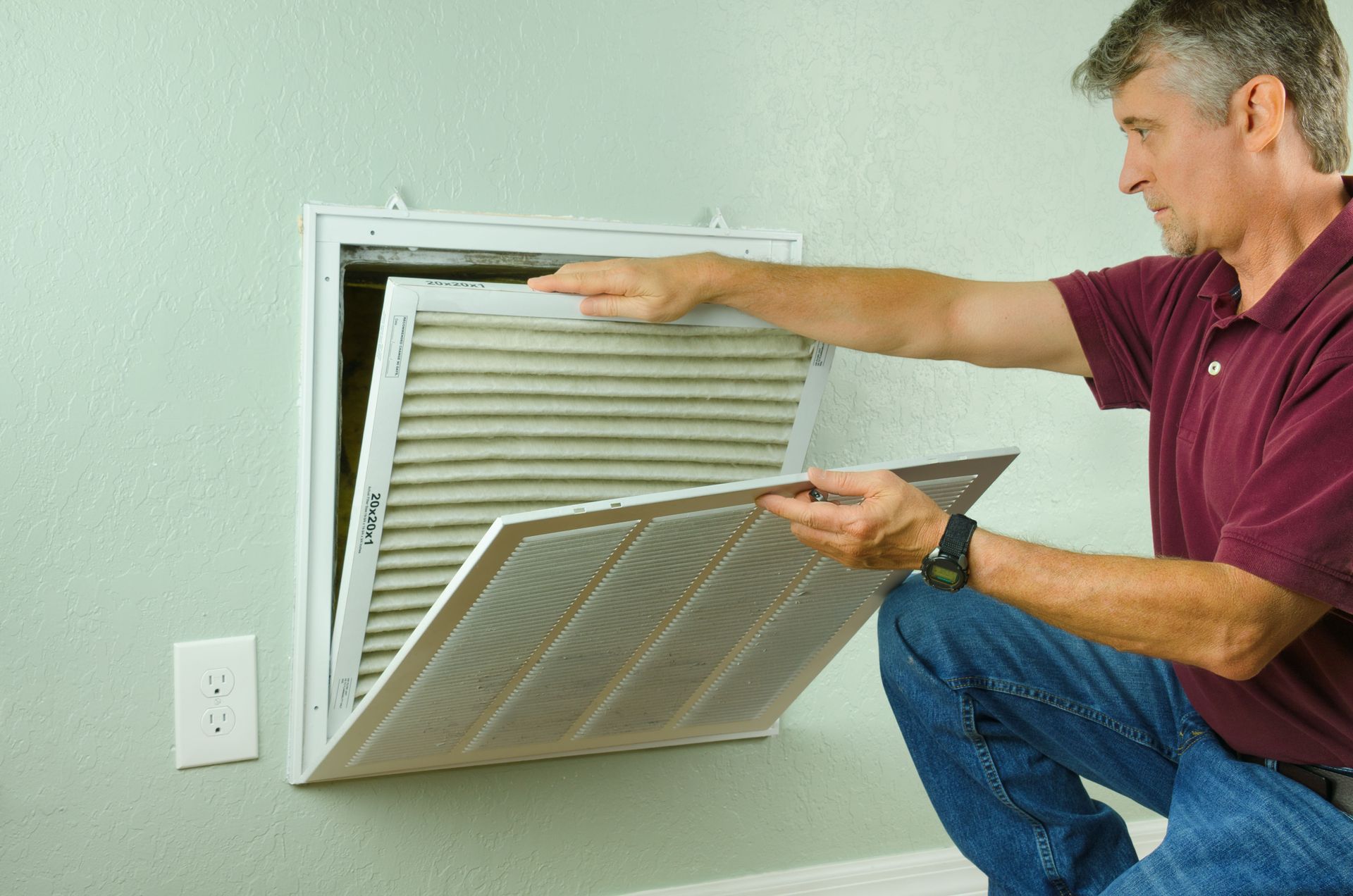
The infrastructure for managing our indoor environments is already in place for the vast majority of Americans, providing a perfect foundation for air quality enhancements. According to Global Market Insights, approximately 88% of US households use air conditioning, with 66% relying on central AC or heat pumps as their primary cooling device. These systems serve as the lungs of the home, circulating air through every room multiple times a day. By integrating advanced filtration and purification technology into this existing equipment, homeowners can achieve a level of purity that significantly reduces the presence of bacteria, viruses, and volatile organic compounds (VOCs). Investing in your air is an investment in the long-term vitality of everyone under your roof.
1. Reducing the Frequency of Respiratory Infections
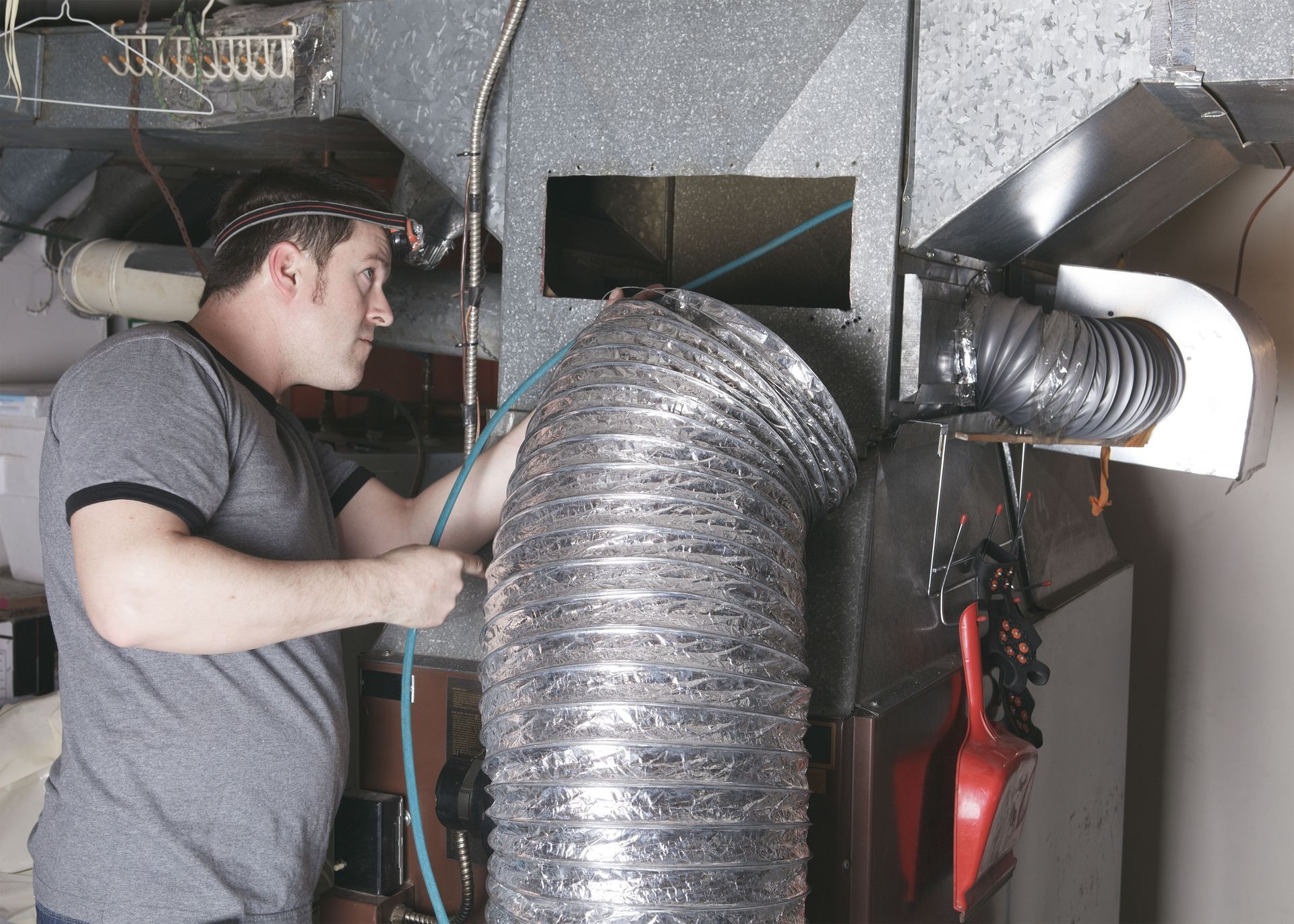
One of the most immediate benefits of improved indoor air quality is a reduction in the spread of airborne illnesses. In a typical home, viruses and bacteria can remain suspended in the air for hours, waiting to be inhaled by another family member. High-efficiency air cleaners and UV-C light systems integrated into your HVAC ductwork are designed to neutralize these pathogens before they can circulate. This creates a "protective shield" that can lower the transmission rates of common colds, the flu, and other respiratory infections, which is especially vital during the winter months when families spend more time indoors.
For individuals already living with chronic conditions like asthma or COPD, clean air is not a luxury—it is a medical necessity. Microscopic triggers like mold spores, pollen, and pet dander can cause constant inflammation in the airways, leading to frequent flare-ups and a reliance on rescue inhalers. By removing these triggers at the source, you provide the respiratory system with the "rest" it needs to function correctly. This proactive approach to air management results in fewer trips to the doctor and a significant improvement in the daily comfort of those with sensitive lungs.
2. Enhancing Sleep Quality and Cognitive Function
It may be surprising to learn that the air you breathe at night directly dictates the quality of your sleep. High levels of carbon dioxide and particulate matter in a bedroom can lead to restless nights, snoring, and morning grogginess. Improved indoor air quality ensures that the brain receives a steady supply of oxygen-rich, clean air throughout the sleep cycle. This allows the body to stay in deep, restorative REM sleep for longer periods. When you wake up in an environment with low pollutant levels, you are more likely to feel alert, focused, and ready to tackle the day.
Cognitive performance is also tied to the purity of your environment. Studies have shown that elevated levels of VOCs—which are often emitted by common household cleaners, paints, and new furniture—can impair decision-making and decrease concentration. In a home office or a student’s study area, clean air acts as a cognitive fuel. By removing these "brain-fog" inducing chemicals, you create a space where mental clarity is maximized. Whether you are working on a complex project or your children are studying for exams, the invisible quality of the air plays a measurable role in their academic and professional success.
3. Alleviating Chronic Allergy Symptoms
For millions of people, seasonal allergies are a year-round battle. Many assume that their symptoms are caused solely by outdoor factors, but the reality is that outdoor allergens often settle deep into carpets and upholstery, becoming permanent indoor residents. Improved indoor air quality involves the use of HEPA (High-Efficiency Particulate Air) filtration, which is capable of trapping 99.97% of particles as small as 0.3 microns. This includes the fine dust mites, ragweed, and mold spores that cause itchy eyes, runny noses, and persistent sneezing.
When the home environment is purged of these allergens, the immune system is no longer in a state of constant high alert. This reduction in "allergic load" allows the body to recover and reduces the need for over-the-counter antihistamines. For families with pets, advanced air purification is essential for managing dander, which is one of the most difficult allergens to control. By maintaining a pristine indoor environment, you ensure that your home remains a sanctuary where you can breathe freely, regardless of what the pollen count is doing outside.
4. Supporting Heart Health and Cardiovascular Function
The link between air pollution and cardiovascular health is a growing area of medical research. Fine particulate matter (PM2.5) is small enough to pass through the lungs and enter the bloodstream, where it can cause systemic inflammation. This inflammation can affect the heart and blood vessels, potentially increasing the risk of long-term cardiovascular issues. Improved indoor air quality helps mitigate this risk by scrubbing these fine particles from your living space. Protecting your heart is about more than just diet and exercise; it is about ensuring that the environment where you spend 90% of your time is not placing a hidden strain on your circulatory system.
By lowering the inflammatory response caused by poor air, you also support healthy blood pressure levels. A clean-air environment allows the cardiovascular system to operate more efficiently, which is particularly important for elderly family members or those with pre-existing heart conditions. While we cannot always control the air quality in our cities or workplaces, we can exert total control over our homes. Taking steps to purify your indoor atmosphere is a powerful, passive way to support the "ticker" of every family member and ensure a healthier future.
5. Stabilizing Mood and Mental Well-Being
There is a strong psychological component to the air we breathe. Stale, odorous, or stuffy air can lead to feelings of lethargy and irritability. Conversely, fresh, clean air has been shown to boost serotonin levels, the hormone associated with happiness and relaxation. Improved indoor air quality removes the odors and chemical "heaviness" associated with stagnant air, creating a much more pleasant and inviting atmosphere. This sensory improvement has a direct impact on the overall "vibe" of the household, reducing stress and promoting a more positive mood among family members.
The health of your family is deeply intertwined with the quality of the air circulating through your vents every hour. From reducing the risk of heart disease to ensuring a better night’s sleep, the advantages of improved indoor air quality touch every facet of human life. Don't leave your family’s wellness to chance; take control of your indoor environment today. Mike Bryant Heating & Cooling is dedicated to providing the expert solutions you need to breathe easier and live better. Call today to learn more about our air purification systems and how we can help you achieve the gold standard of home health. We look forward to helping you create a safer, cleaner sanctuary for those you love.



Share On: