How to Maximize Your Heat Pump’s Efficiency with Simple Maintenance Tips
A heat pump is a smart investment for any homeowner looking to maintain comfortable indoor temperatures year-round. Unlike traditional heating and cooling systems, this equipment both heats and cools your home efficiently, making it a versatile choice. However, like any mechanical system, the unit requires routine maintenance to operate at peak efficiency. Regular upkeep not only ensures consistent comfort but can also save money on energy bills and prevent costly repairs. Taking proactive steps to care for your heat pump is essential for keeping it running smoothly. According to Workyard, U.S. consumers spend over $10 billion annually on HVAC repairs and maintenance, making proactive care of your heat pump more important than ever. In this guide, we'll explore simple maintenance tips that can help you maximize your system's efficiency and lifespan.
Inspect and Replace Air Filters Regularly
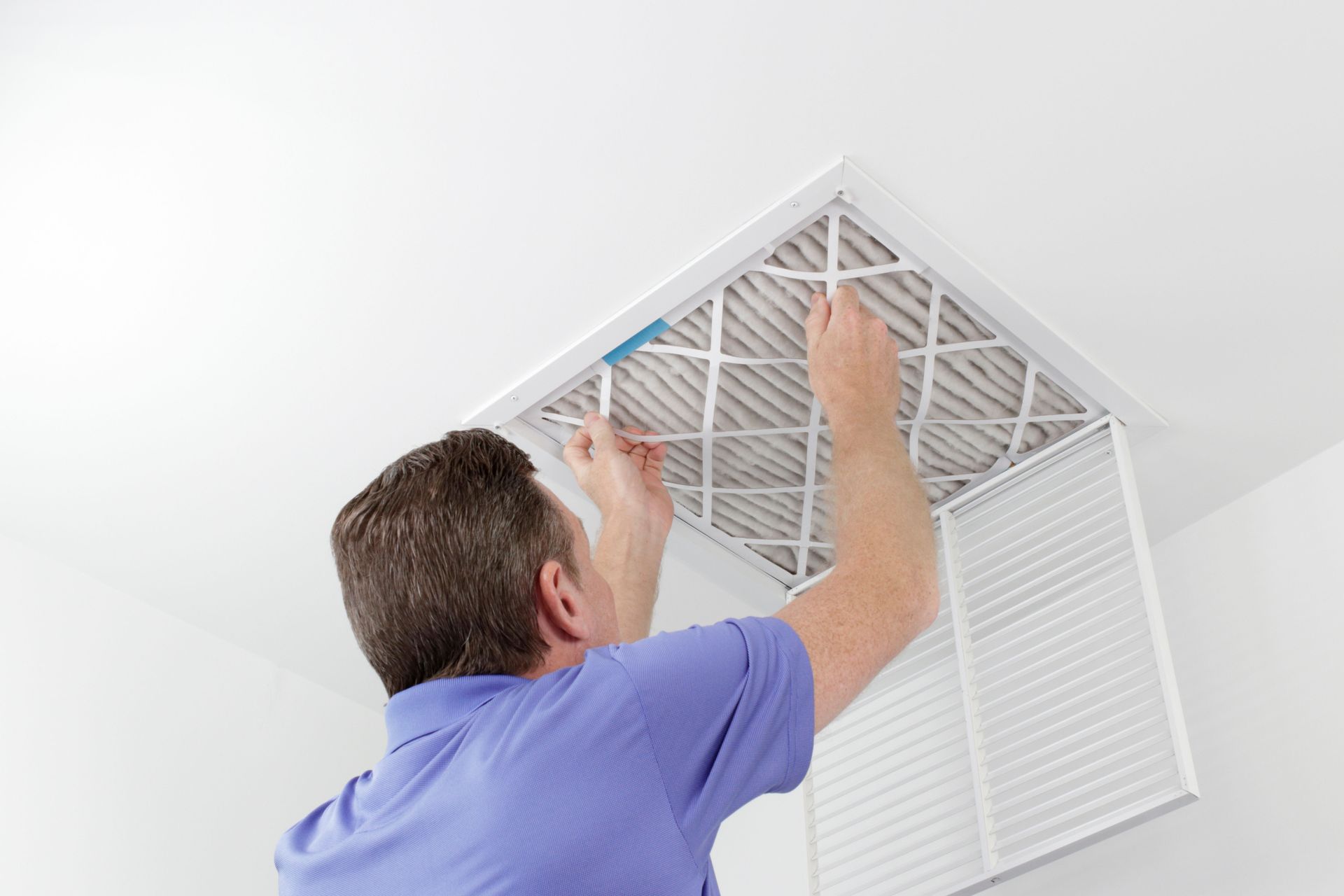
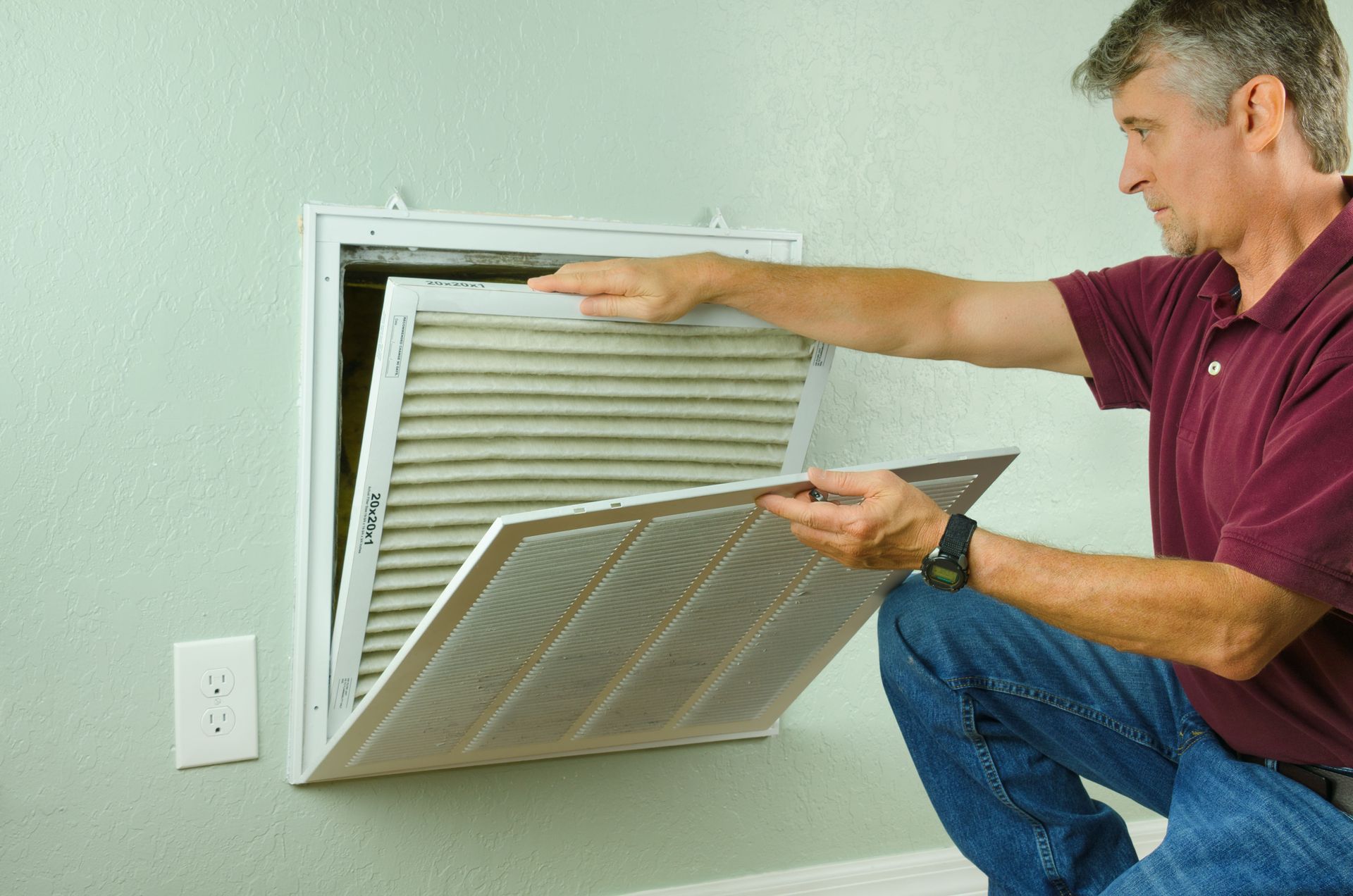
One of the easiest ways to improve your heat pump's performance is by keeping the air filters clean. Dirty or clogged filters restrict airflow, forcing the system to work harder to maintain your desired temperature. This not only increases energy consumption but also puts unnecessary strain on the system, which can lead to frequent repairs.
Experts recommend inspecting your heat pump's air filters at least once a month, especially during heavy-use seasons like summer and winter. If the filters appear dirty, replace them immediately. High-efficiency filters may last longer, but regular inspection ensures that the system maintains optimal airflow. This small step can have a significant impact on energy efficiency, system longevity, and indoor air quality. Regularly maintaining clean filters also helps create a healthier indoor environment by reducing dust, allergens, and other airborne particles.
Keep the Outdoor Unit Clean and Clear
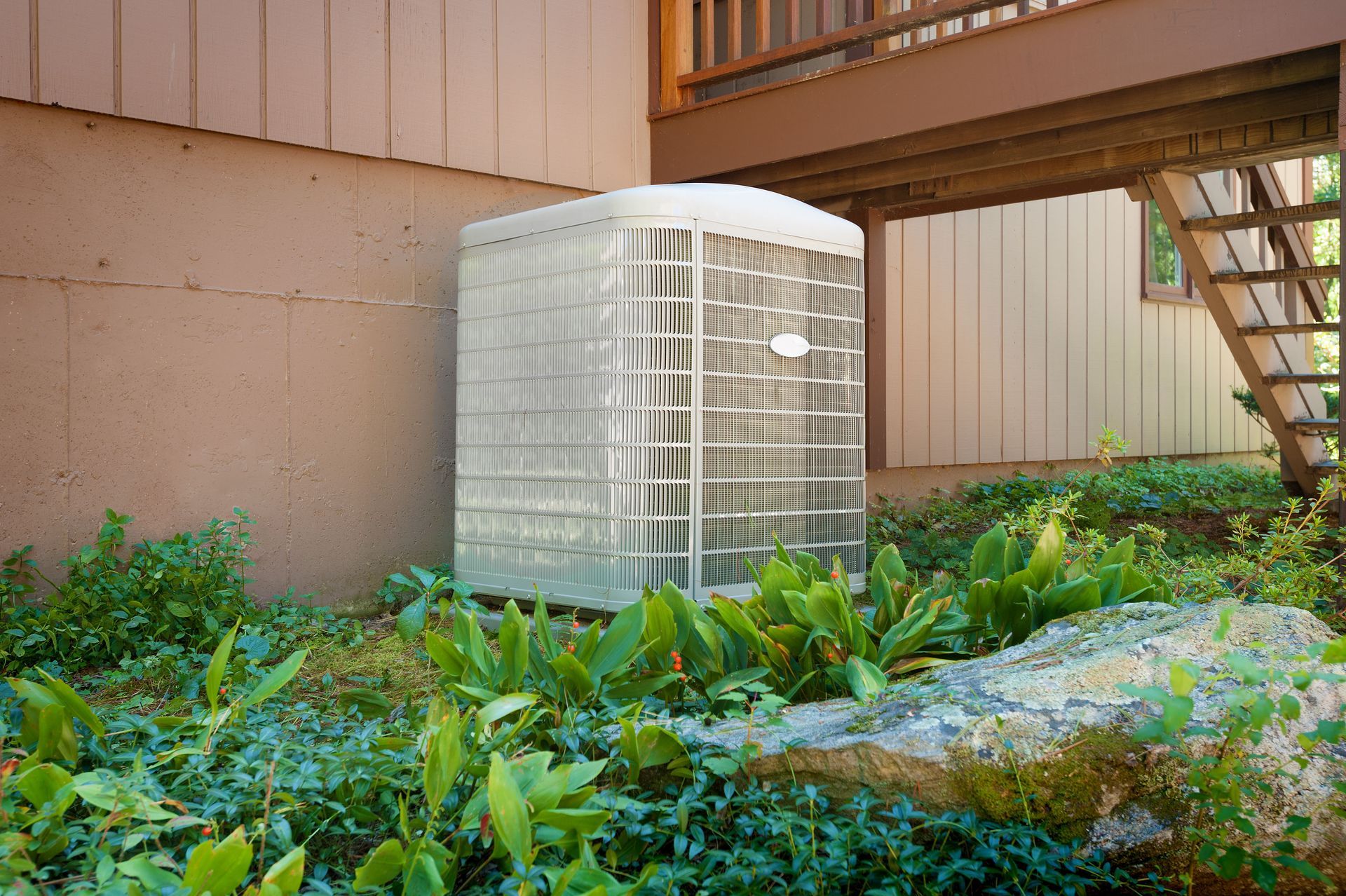
The outdoor component of your heat pump plays a critical role in transferring heat efficiently. Dirt, leaves, and other debris can accumulate around the unit, obstructing airflow and reducing its ability to absorb or release heat. A blocked outdoor unit can make your heat pump less efficient, increasing electricity usage and putting stress on its components.
To keep your outdoor unit in top condition, remove debris regularly and trim any vegetation around the area to maintain at least two feet of clearance. Gently clean the fins and coils with a soft brush or garden hose to remove dirt without damaging the components. Keeping the outdoor unit clear not only improves efficiency but also helps prevent potential breakdowns, reducing the likelihood of costly HVAC maintenance. Regularly maintaining the outdoor unit also helps your system operate more quietly and reliably throughout its lifespan.
Schedule Annual Professional Inspections
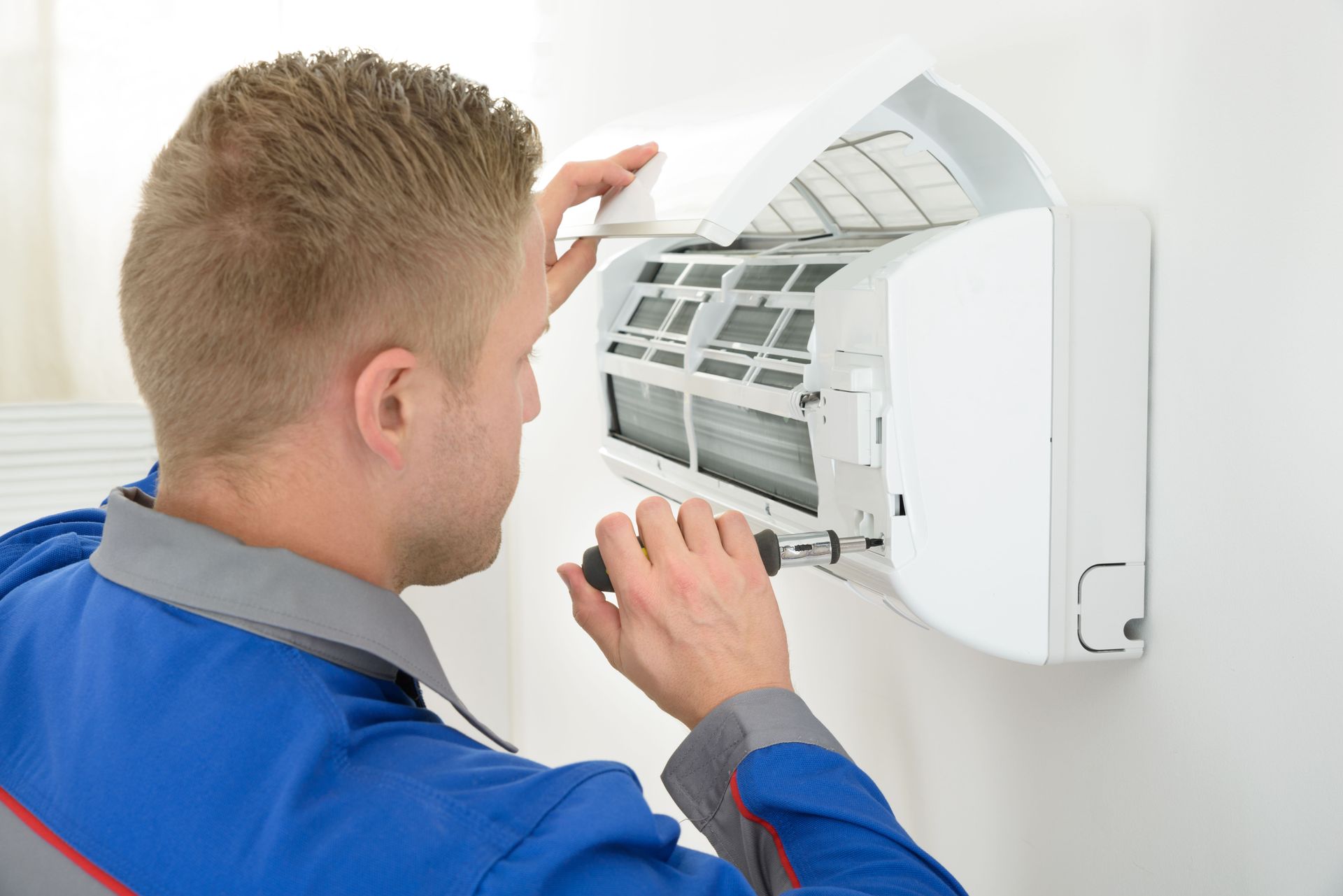
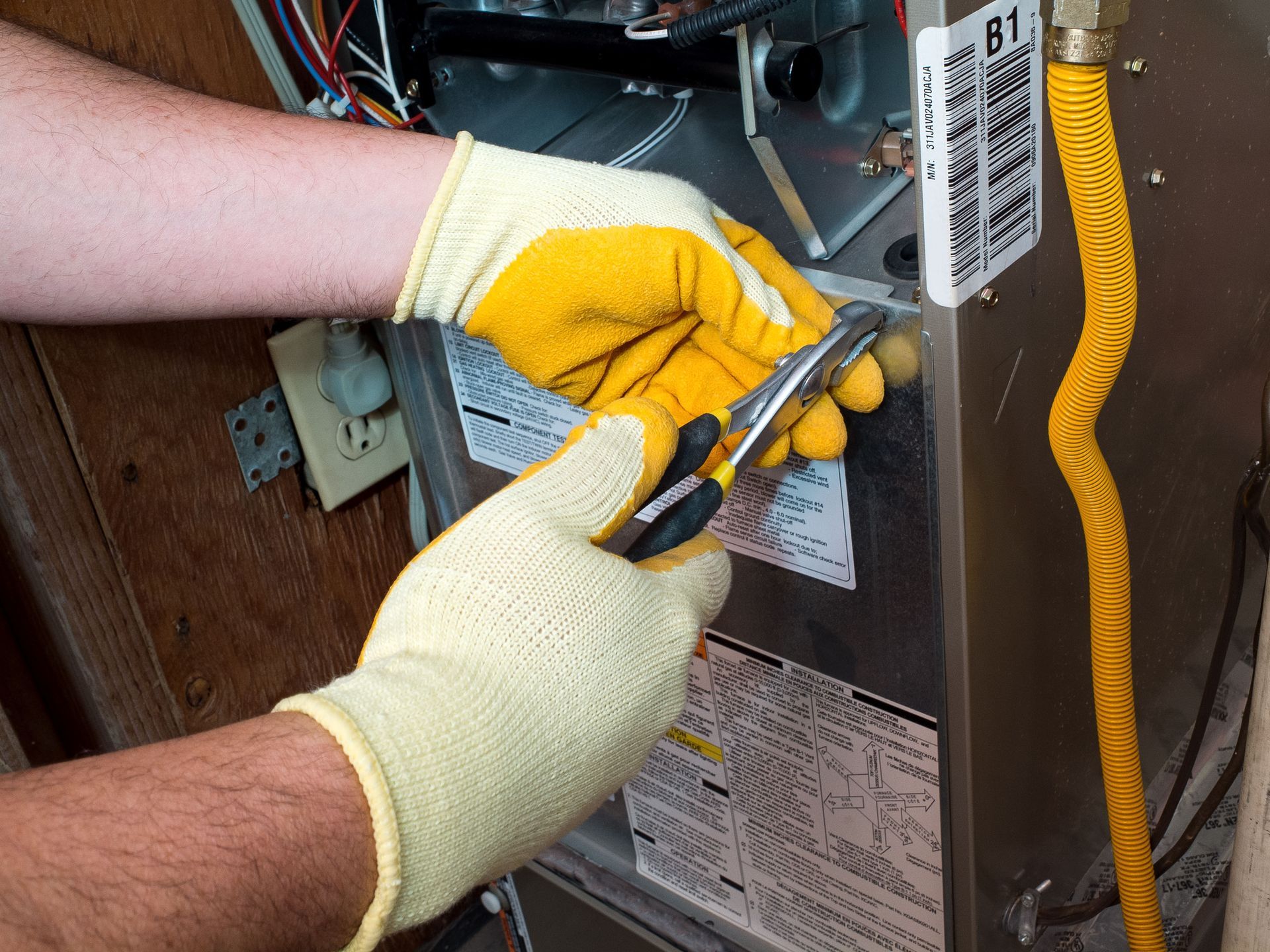
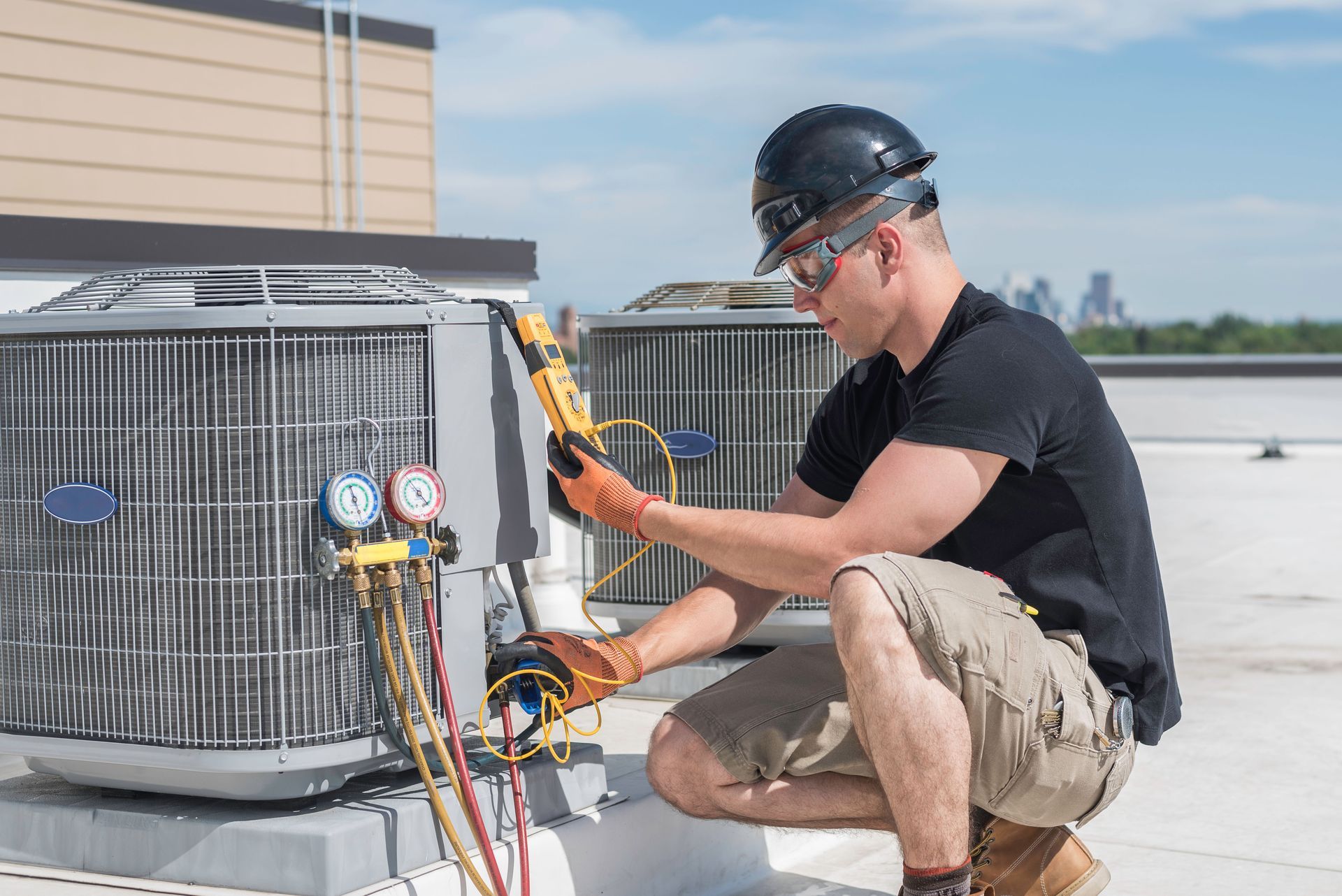
While routine homeowner maintenance is essential, professional inspections are critical for long-term efficiency and reliability. A certified technician can identify issues that may not be obvious, such as refrigerant leaks, worn electrical connections, or failing components. These problems, if left untreated, can decrease the performance of your system and result in expensive repairs down the line.
Annual professional checkups often include cleaning coils, lubricating moving parts, checking system pressures, and ensuring that the unit operates safely and efficiently. Investing in professional inspections can be a cost-effective way to protect your equipment and minimize emergency repair costs. Regular professional inspections also provide peace of mind, knowing your heat pump is running safely and efficiently throughout the year.
Optimize Thermostat Settings
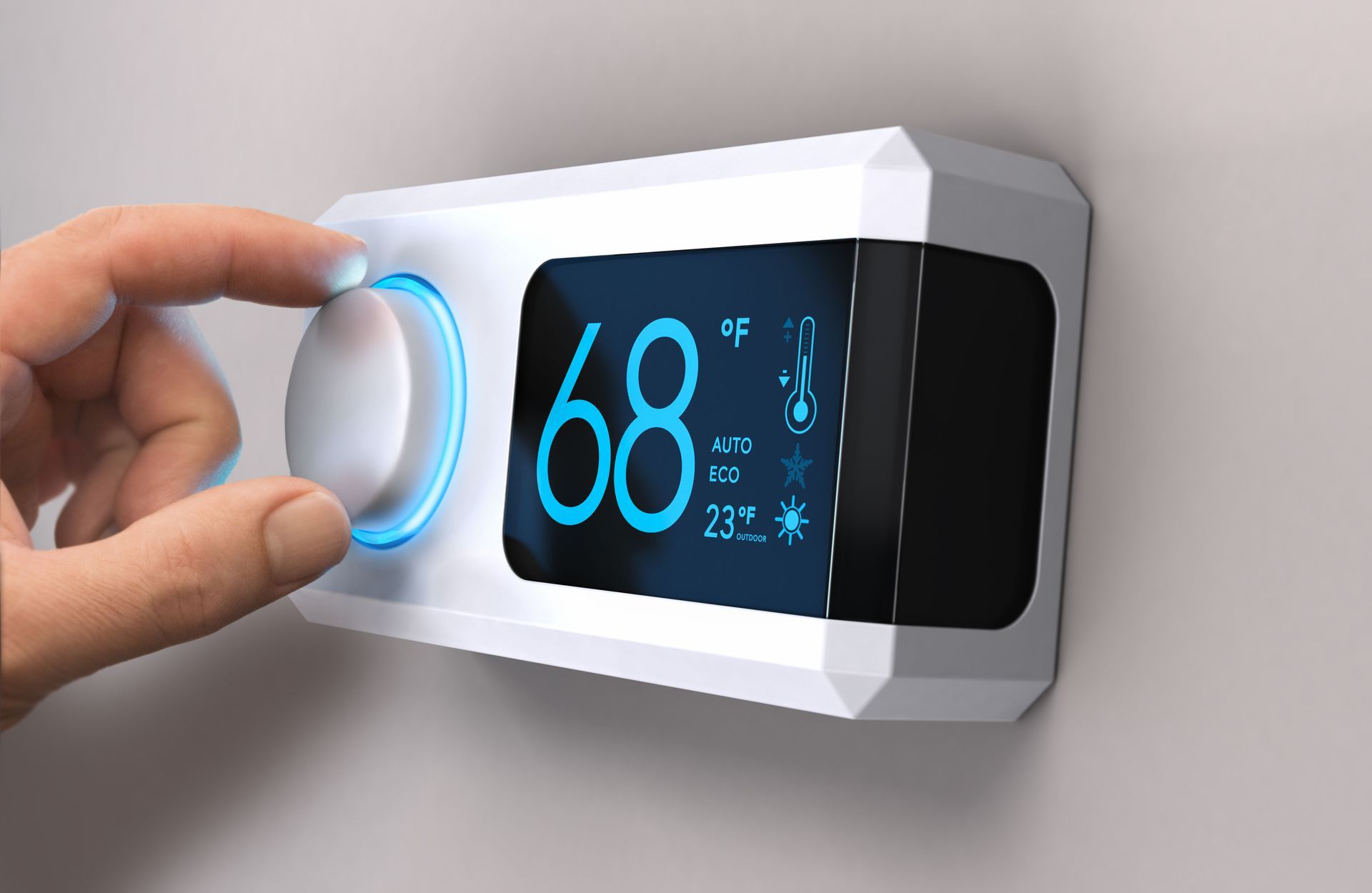
A heat pump works most efficiently when used strategically with your thermostat. Setting the thermostat too high in winter or too low in summer forces the system to work harder than necessary, consuming more energy and reducing its lifespan. Installing a programmable or smart thermostat allows you to optimize temperatures based on your daily schedule, ensuring the unit runs efficiently without compromising comfort.
For example, setting the temperature a few degrees lower while you're away from home in winter or higher in summer can save energy while reducing wear on the system. Additionally, some smart thermostats can track usage patterns and provide maintenance reminders, helping you maintain efficiency over time. Small adjustments to thermostat settings can make a significant difference in energy consumption and help your heat pump operate at peak efficiency. Consistently using your thermostat wisely also helps prevent unnecessary strain on your system, extending the unit's lifespan and reliability.
Ensure Proper Insulation and Airflow
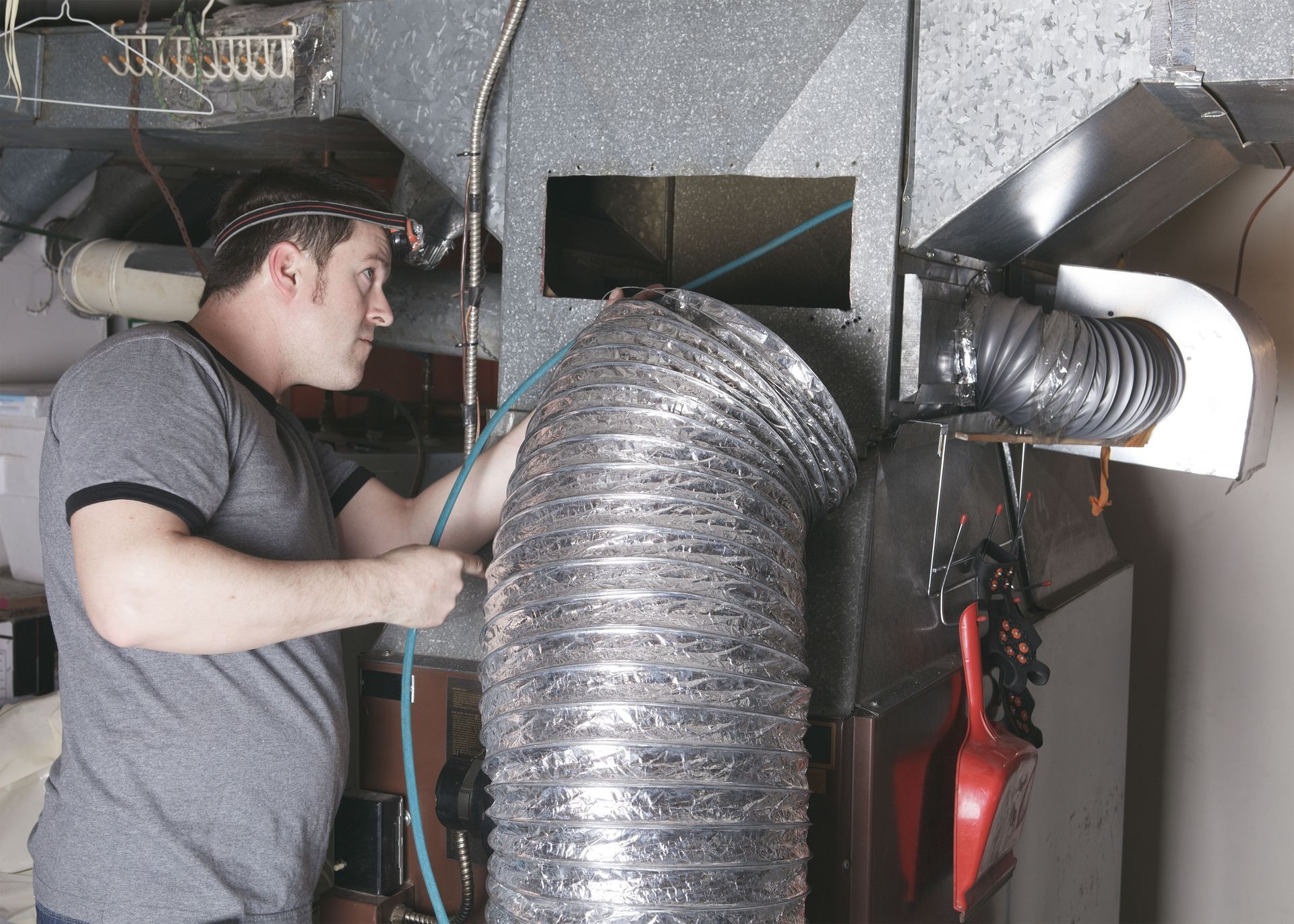
A well-maintained system cannot perform efficiently if your home is poorly insulated or has blocked air vents. Leaks in windows, doors, or ductwork can cause heat to escape in winter and enter in summer, forcing the equipment to work harder to maintain the desired temperature. Similarly, furniture or other obstructions near vents can restrict airflow, reducing system efficiency.
Regularly inspect your home's insulation, sealing gaps where needed, and make sure vents are unobstructed. Consider adding weatherstripping or insulating pipes and ducts that may be exposed to extreme temperatures. By addressing these factors, you allow your heat pump to operate more efficiently, lowering energy bills and reducing the likelihood of costly repairs. Improving insulation and airflow not only enhances comfort but also helps the unit maintain consistent performance throughout the year.
Monitor and Maintain Refrigerant Levels
The refrigerant in your system is crucial for transferring heat efficiently. Low or incorrect refrigerant levels can cause the equipment to work harder, increasing energy consumption and risking damage to components such as the compressor. While checking refrigerant levels should typically be done by a professional, homeowners can still be vigilant for signs of low refrigerant, such as ice buildup on the coils or insufficient heating and cooling.
Scheduling routine maintenance that includes refrigerant checks ensures your unit continues to operate efficiently. Maintaining proper refrigerant levels can prevent strain on the system, reduce energy costs, and minimize the chance of emergency HVAC repairs, keeping your home comfortable year-round. Regularly addressing refrigerant issues also helps extend the overall lifespan of the heat pump, ensuring reliable performance for many years.
Keep an Eye on System Performance
Monitoring your system's performance allows you to detect potential issues before they become major problems. Pay attention to unusual noises, fluctuating temperatures, or increased energy bills, as these can be signs that the equipment requires attention. Many modern units come equipped with diagnostic features that alert you to potential issues, making it easier to stay ahead of maintenance needs.
Logging your observations and addressing small issues promptly can extend the life of your heat pump and prevent expensive repairs. In combination with regular filter changes, outdoor unit cleaning, and professional inspections, monitoring performance ensures the system consistently operates at optimal efficiency.
Maximizing your heat pump's efficiency doesn't have to be complicated. By performing simple maintenance tasks such as regularly inspecting air filters, cleaning the outdoor unit, optimizing thermostat settings, ensuring proper insulation, and scheduling annual professional inspections, you can extend the lifespan of your system and reduce energy costs. Paying attention to refrigerant levels and monitoring system performance further ensures that your heat pump operates reliably year-round.
Proactive care is essential to avoid unnecessary expenses. A few straightforward steps can keep your heat pump running efficiently, reduce energy bills, and provide reliable comfort in every season. Prioritizing regular maintenance is not just about saving money — it's about protecting your investment and ensuring a comfortable, energy-efficient home for years to come. If you need the services of a reputable HVAC company, reach out to Mike Bryant Heating & Cooling LLC today!

Share On: