Signs Your HVAC System Needs Repair
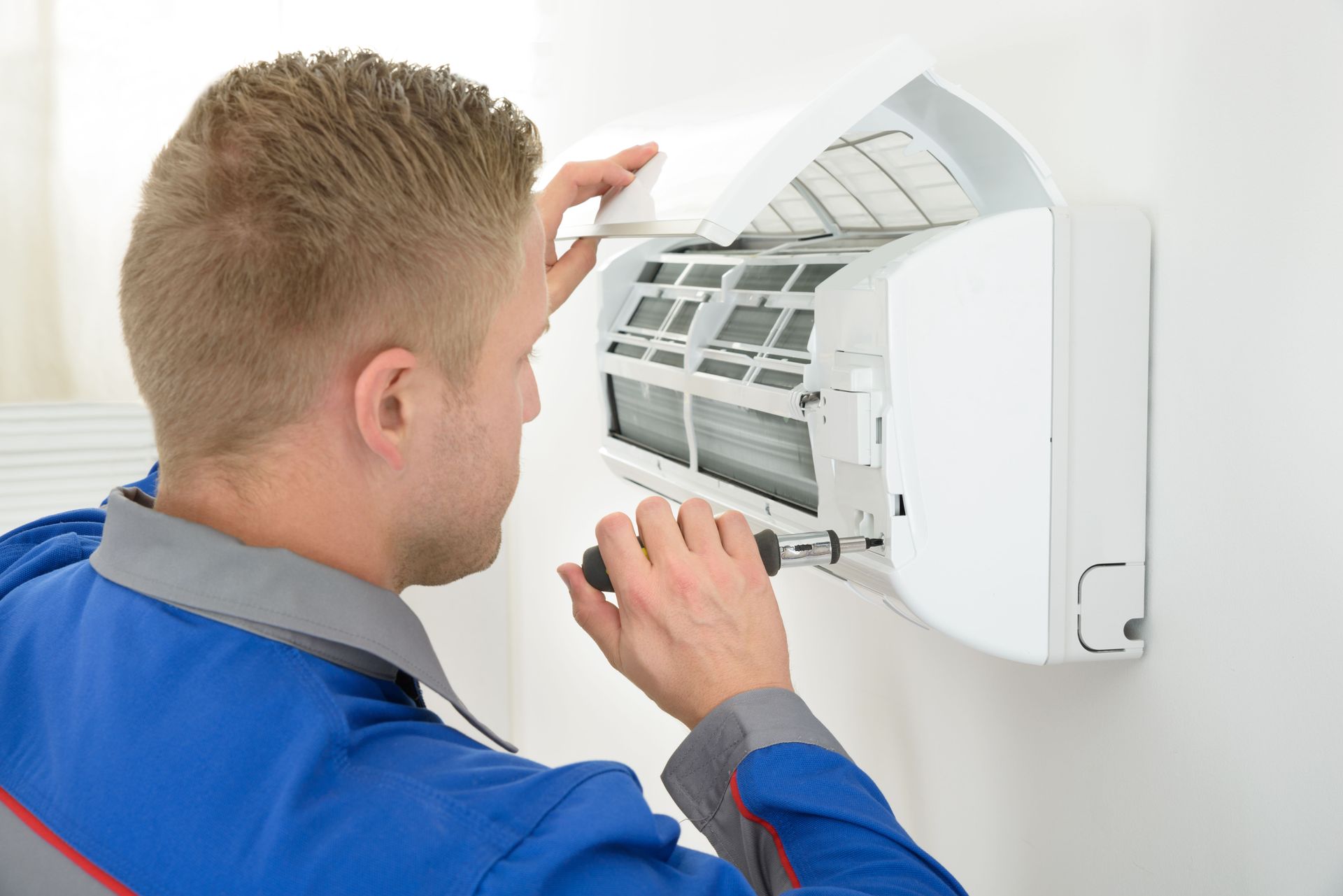
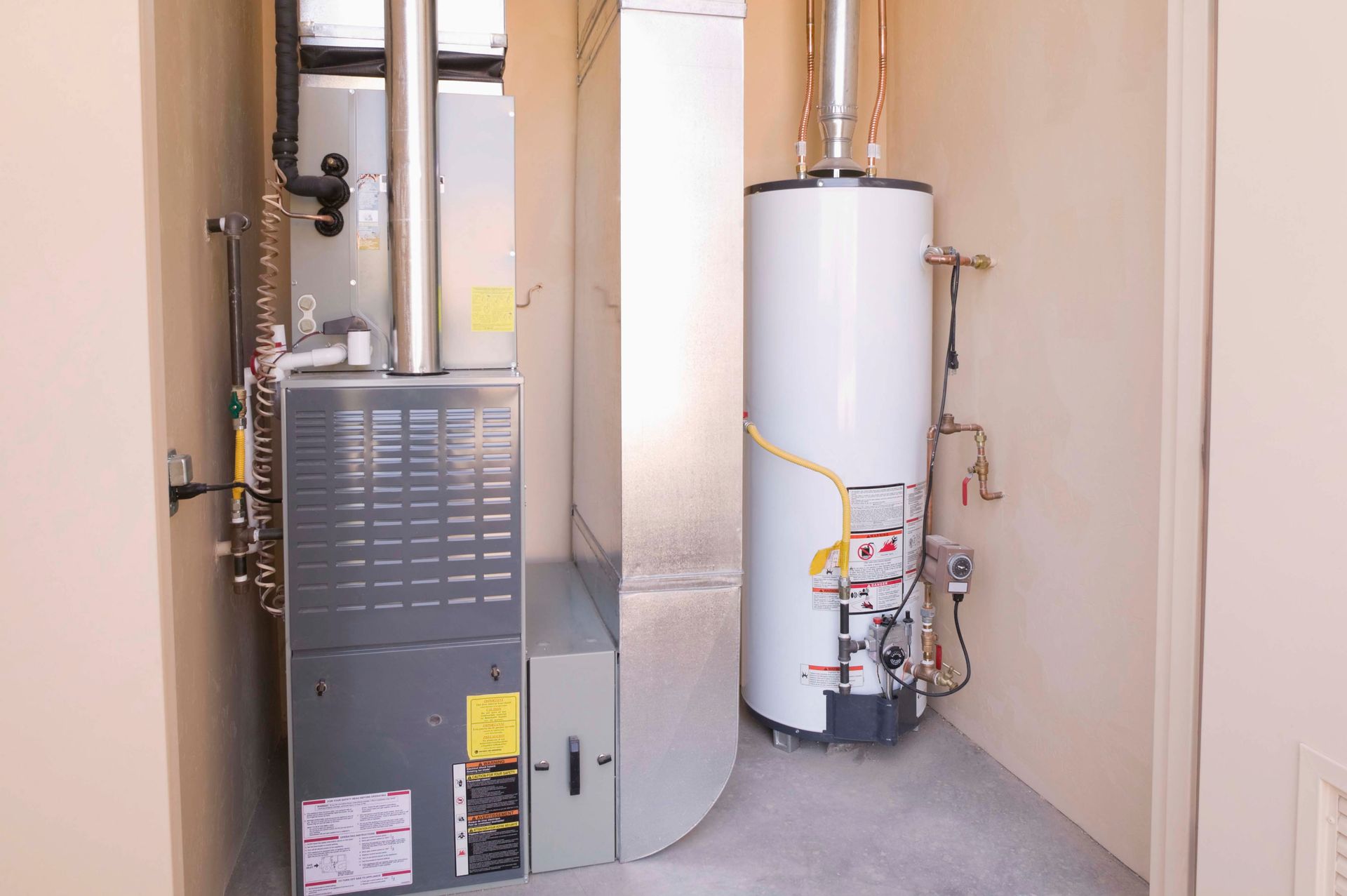
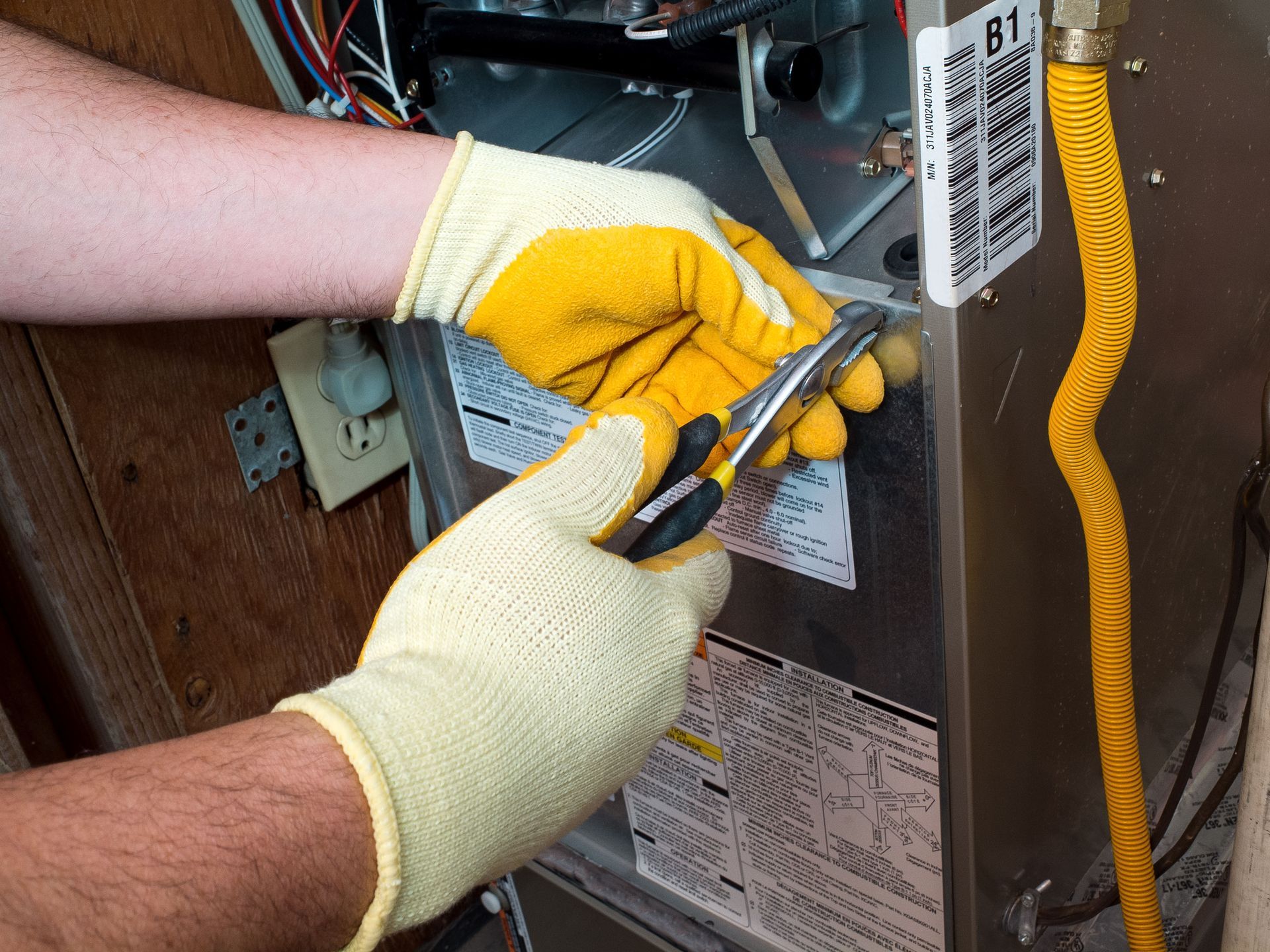
Understanding the signs that indicate your HVAC system needs repair can save you time, money, and discomfort. In this article, we will explore the common indicators that suggest your HVAC system requires professional attention. Recognizing these signs early can prevent costly breakdowns and extend the lifespan of your system.
Unusual Noises From the Unit
HVAC systems are designed to operate quietly, providing comfort without distraction. Unusual noises from your unit, however, can signal underlying problems. Rattling sounds may indicate loose components or debris obstructing the system. Ignoring these noises can worsen the issue and lead to more costly AC repairs.
Squealing or screeching often points to problems with the motor or fan, such as a worn belt or bearings needing lubrication. These components are critical to the system’s operation, and neglecting them can result in a complete breakdown.
Banging or thumping noises usually indicate serious issues, such as loose, worn, or broken parts that require immediate attention. Clicking sounds may signal electrical problems, which are safety hazards as well as performance issues. Even humming or buzzing can point to compressor or electrical concerns, making a professional inspection essential to ensure safe and efficient operation.
Poor Airflow
A well-functioning HVAC system provides consistent airflow through all vents, keeping temperatures even throughout your home or workplace. Weak airflow—when the vents don’t blow enough air—often signals blockages or ductwork problems. These blockages can result from debris buildup or physical damage. A professional inspection can identify the exact cause and fix it, ensuring the system runs efficiently and preventing higher energy costs and discomfort.
Uneven room temperatures, where one area feels warmer or cooler than others, are another sign of airflow issues. Partial blockages or damaged ducts can prevent proper air distribution, while poorly placed vents may also contribute to hot and cold spots. Correcting these problems restores consistent temperatures and improves overall comfort and energy efficiency.
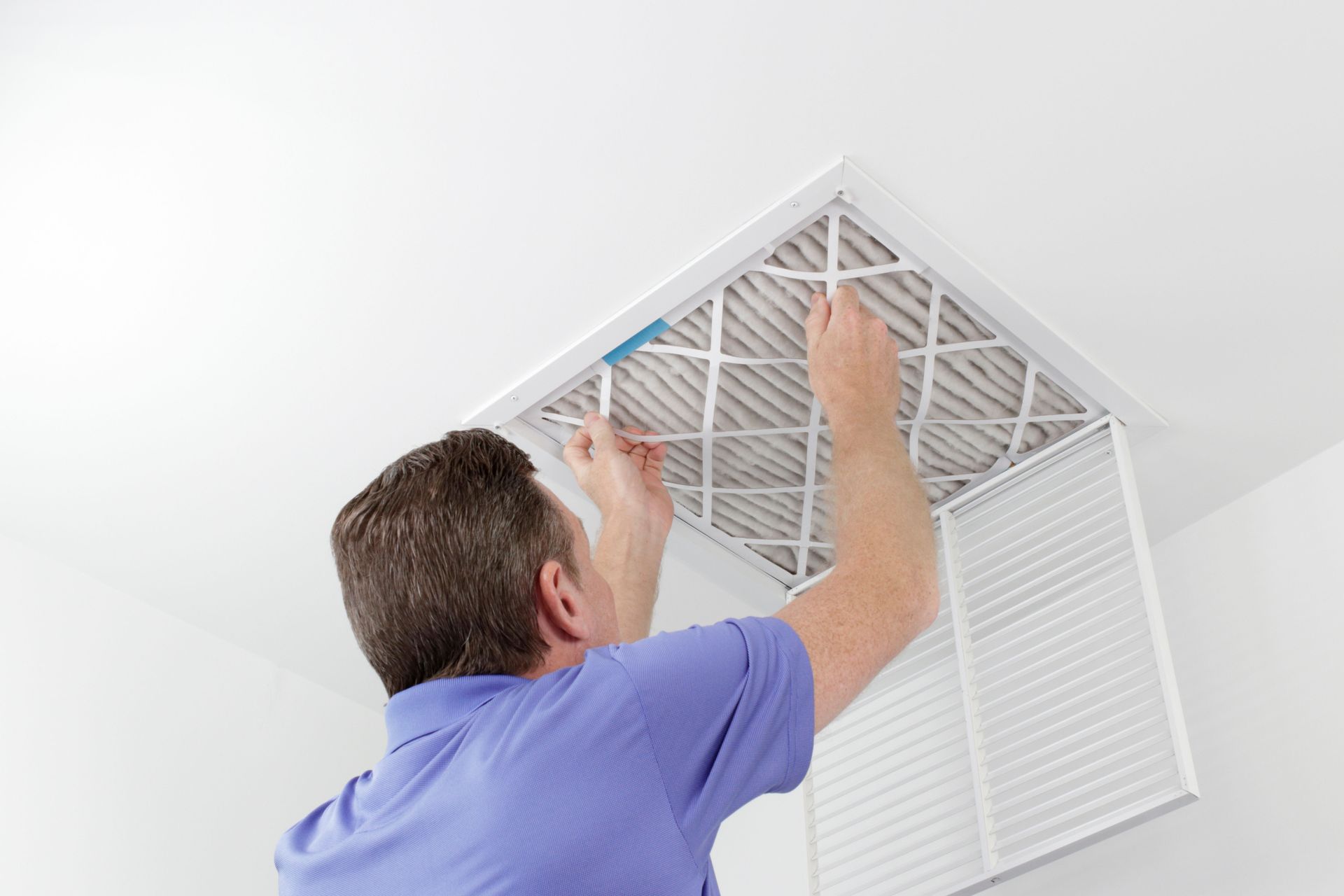
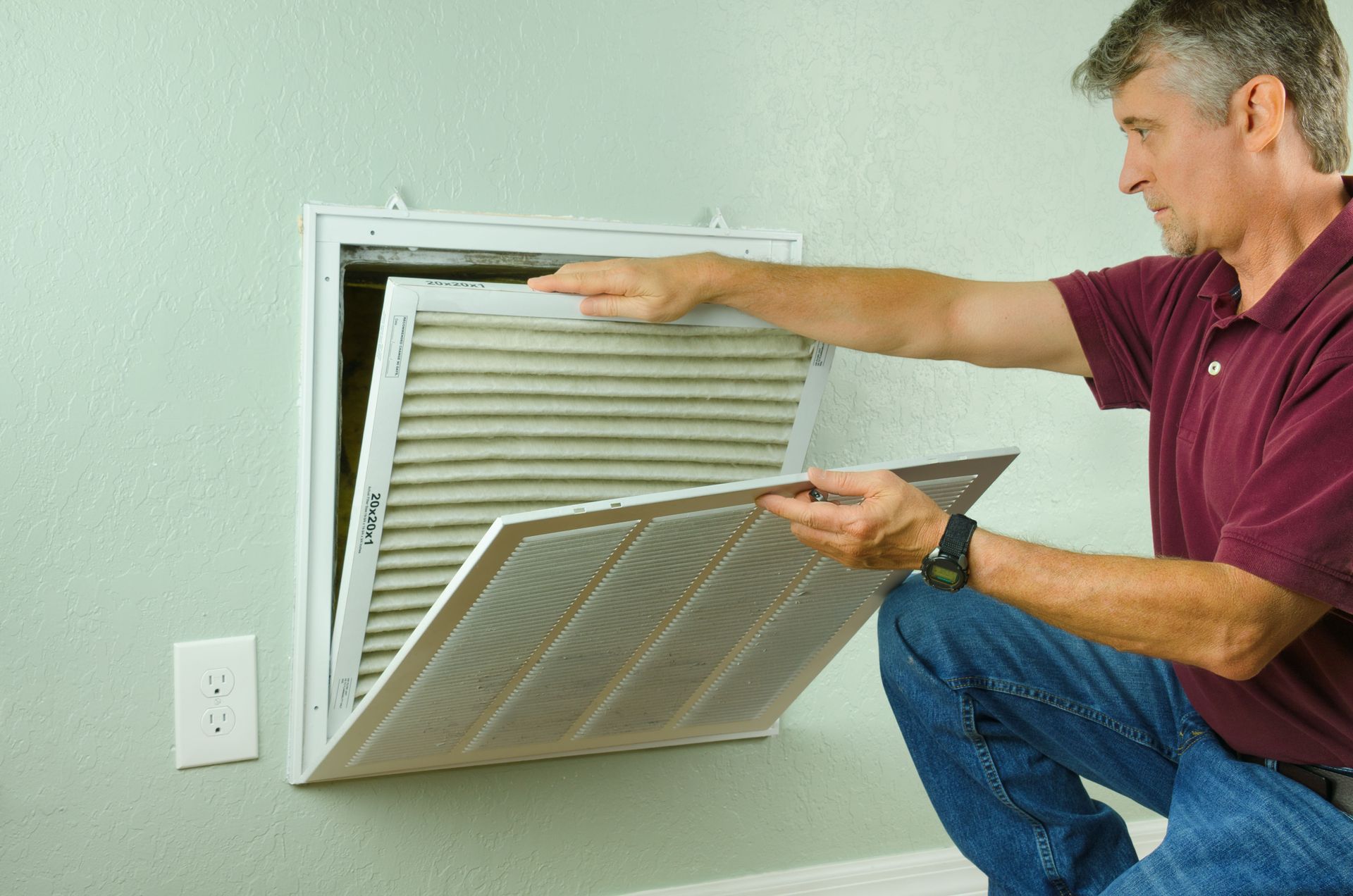
Clogged or dirty air filters can further restrict airflow, making the system work harder to heat or cool your space. Regularly replacing filters helps maintain optimal performance. Leaks in the ductwork also reduce airflow, causing conditioned air to escape and increasing energy bills. Addressing these issues promptly is crucial in keeping your system running efficiently and reliably.
Unpleasant Odors
Unpleasant odors from your HVAC system can indicate problems that need prompt attention. Burning smells often point to overheating or electrical issues, which can be dangerous and even pose a fire risk. If you notice this, turn off the system and call a professional immediately.
Musty or moldy odors are another common warning, signaling mold or mildew growth inside the system. This not only reduces efficiency but also affects indoor air quality, potentially triggering allergies or respiratory issues. Regular maintenance and timely cleaning can prevent these problems and keep your system operating safely.
Chemical smells may indicate refrigerant leaks or other hazardous substances, requiring immediate professional attention. Dusty or stale odors usually come from dirt buildup in ducts or coils, which can decrease efficiency and increase energy costs. A rotten egg smell is particularly serious, as it may signal a natural gas leak. In all cases, addressing odors promptly is crucial for both comfort and the safety of everyone in your home or workplace.
Increased Energy Bills
Sudden spikes in energy usage often signal a problem with your HVAC system. When efficiency drops, the system struggles to maintain the desired temperature and ends up using more energy. Small issues left unchecked can turn into bigger problems, making your HVAC system costly to operate. Abrupt increases in energy consumption usually indicate mechanical or efficiency problems and should prompt a professional inspection to prevent wasted energy. Timely AC repairs can restore efficiency and keep operating costs low.
Comparing current energy bills to previous months can help spot unusual increases. If bills rise significantly without seasonal reasons, your HVAC system may be responsible. Common causes include leaks, dirty components, or overworked motors. A professional inspection can pinpoint the issue, whether it’s a simple cleaning or replacing worn parts. According to HomeGuide, most AC repairs typically take between 1 and 8 hours, depending on which part requires fixing or replacement.
Tools like thermal imaging and energy audits help identify where the system is losing efficiency. Long operating times, where the system struggles to maintain temperatures, often indicate inefficiency. Systems that rarely shut off may have thermostat problems or incorrect sizing. A professional evaluation ensures these issues are addressed, keeping your HVAC system running efficiently and reliably.
Frequent Cycling
Frequent cycling, where an HVAC system repeatedly starts and stops, is a warning sign of potential problems. This behavior is not normal and puts extra stress on the system, shortening its lifespan. Short cycling can be caused by issues such as thermostat problems, overheating components, or incorrect refrigerant levels. When a unit cycles too quickly, it can’t properly heat or cool a space, leading to discomfort and increased wear. HVAC repair specialists can identify the cause of short cycling and recommend solutions to keep the system running efficiently.
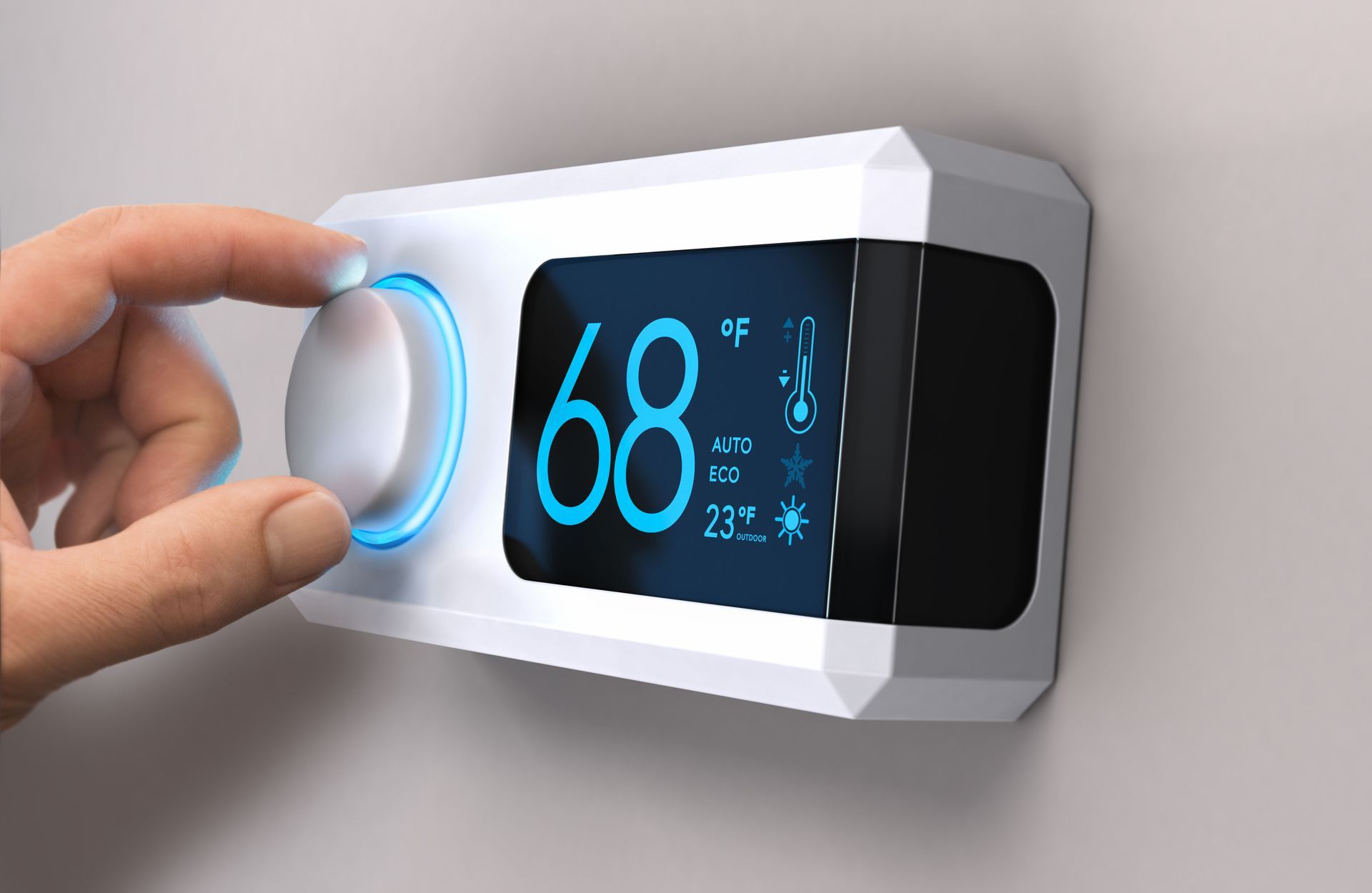
Malfunctioning thermostats are often to blame. If a thermostat reads temperatures inaccurately, the system may turn on or off unnecessarily, raising energy costs. Some thermostat issues are simple to fix, while others may require more extensive work depending on the system’s model and age. Overheating components can also trigger premature cycle cut-offs, often caused by clogged filters or blocked airflow, which must be cleared to prevent costly AC repairs.
Incorrect refrigerant levels or airflow restrictions can also cause frequent cycling. Low refrigerant makes it harder for the system to reach the desired temperature, while clogged or faulty airflow paths can trigger erratic cycling. Regular maintenance, including checking refrigerant levels and clearing airflow obstructions, helps the system operate smoothly, reduces wear, and prevents costly AC repairs.
Visible Signs of Damage
Visible signs of damage are a clear warning that your HVAC system needs professional attention. Ice forming on your equipment may indicate problems with coolant levels or airflow. This buildup can block operation and increase the risk of system failure. Fixing the issue as soon as it appears helps minimize disruptions and repair costs.
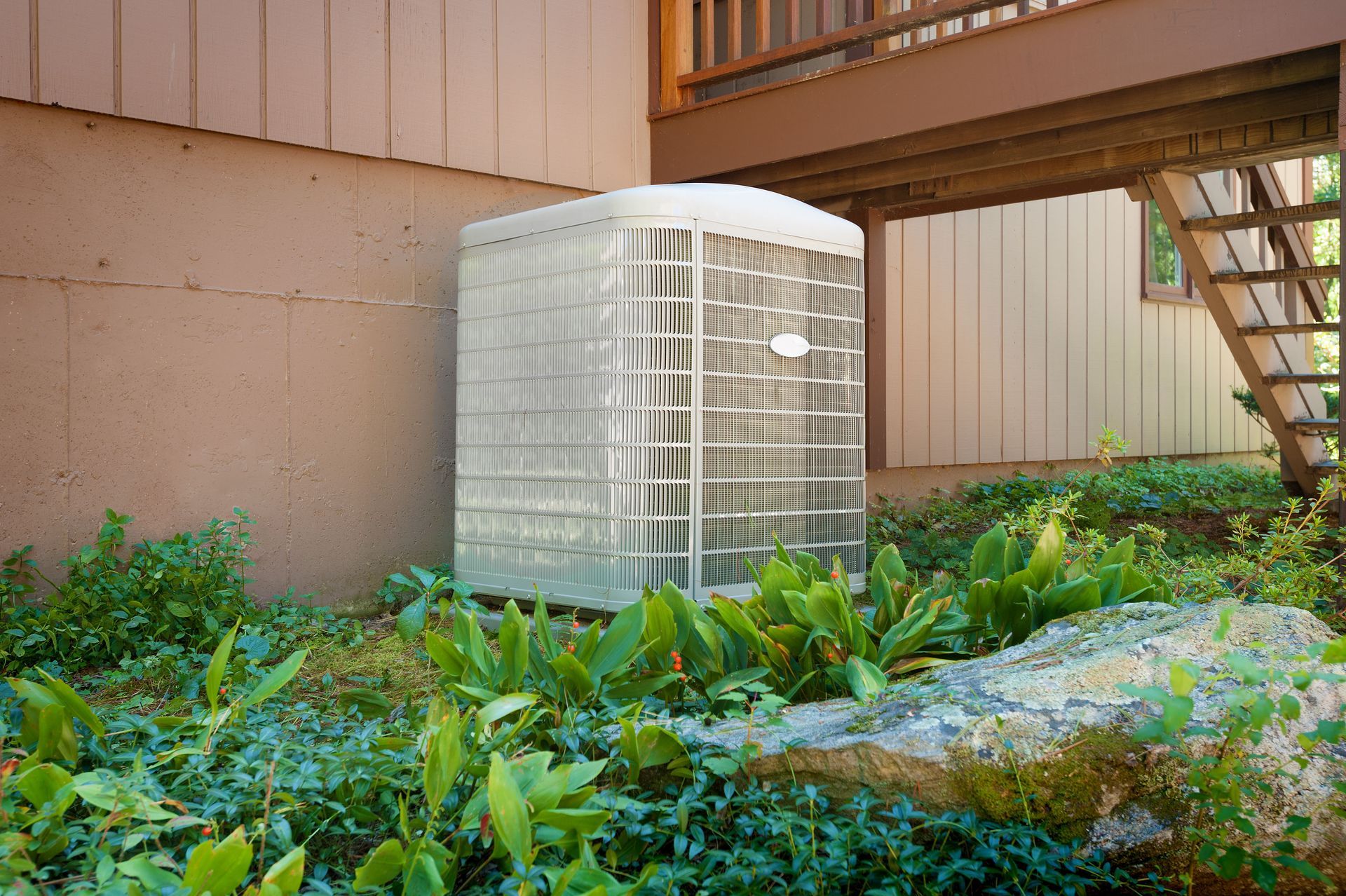
Physical damage to the unit’s exterior can also signal internal problems. Even minor dents or scratches may point to more serious issues that affect efficiency and safety. Corrosion or rust is another warning sign, often caused by moisture or chemical exposure, and can lead to system failure if not addressed. Skipping regular inspections can reduce your system’s performance over time, highlighting the need for consistent maintenance.
Excess moisture or leaks around the HVAC unit may indicate internal damage or drainage problems. Ignoring leaks can cause extensive damage and higher repair costs. Damaged or exposed wiring is a serious safety hazard that needs immediate attention. Professional HVAC technicians handle these issues through regular inspections and preventive maintenance, keeping your system safe, reliable, and working efficiently.
Identifying early signs of HVAC problems helps your system run efficiently and safely. Recognizing these warning signals allows you to get professional help quickly, extending the life of your HVAC system and keeping your home or workplace comfortable. Regular maintenance, timely AC repairs, and professional inspections prevent costly breakdowns, save time, and ensure your system operates at its best, protecting both comfort and safety. Keeping your HVAC system in good condition not only reduces expenses but also supports a healthier indoor environment. For quality service and reliable AC repairs, contact Mike Bryant Heating & Cooling today!

Share On: