
How Small Airborne Particles Can Affect Indoor Air Quality
Indoor air quality has become a major topic of concern in recent years due to its direct impact on health and well-being. As people increasingly spend more time indoors, understanding the factors that affect air quality is essential for ensuring safe living and working environments.
Small airborne particles can originate from various sources such as household activities, building materials, and outdoor pollution that infiltrates indoor spaces. These particles can be invisible to the naked eye but pose significant risks due to their potential to penetrate deep into the respiratory system. Identifying and addressing these particles is crucial for maintaining a healthy living environment for all residents, particularly as our homes have become multi-functional spaces for both living and working.
Overview of Small Airborne Particles
Definition and Types of Particles
Small airborne particles, also known as particulate matter, are tiny solid or liquid substances suspended in the air. They are categorized by size, with PM10 and PM2.5 being the most commonly discussed metrics.
According to the EPA, they are concerned indoor particulate matter that are 10 micrometers in diameter or smaller because these particles are inhalable and can cause serious health effects. Understanding the various types of particles helps in implementing targeted measures to control their presence indoors and improve overall indoor air quality.
Sources of Airborne Particles Indoors
Indoor particles originate from a variety of sources, including everyday activities such as cooking, smoking, and cleaning. Building materials, furnishings, and appliances can also contribute to airborne particles as they degrade or emit gases.
Outdoor air pollution infiltrates buildings through windows, doors, and ventilation systems, adding to the indoor particle load. It is important to identify the specific sources that are relevant to each environment in order to implement effective control measures and boost indoor air quality. By identifying these sources, homeowners can take proactive steps to limit the influx of pollutants.
Impact on Respiratory Health
Short-term and Long-term Effects
Exposure to small airborne particles can lead to a range of short-term respiratory effects, including irritation of the eyes, nose, and throat. Individuals may experience coughing, sneezing, and shortness of breath as their bodies attempt to expel the foreign particles.
Chronic exposure to airborne particles is associated with an increased risk of long-term respiratory diseases, including chronic obstructive pulmonary disease and lung cancer. Protecting respiratory health requires a combination of preventive strategies and regular monitoring of indoor air quality to ensure a safer living space. Consistent air quality management serves as a critical defense against the development of these severe, lasting conditions.
Vulnerable Populations and Preventive Measures
Certain populations, such as children, the elderly, and individuals with pre-existing health conditions like asthma, are particularly at risk. Ensuring that indoor environments are safe for these groups often involves stricter standards and targeted interventions.
Implementing preventive health measures is crucial for minimizing the impact of airborne particles. Ventilation improvements, such as increasing fresh air intake and using high-efficiency filters, can effectively reduce particle concentrations and enhance indoor air quality. These adjustments are relatively simple to implement but yield significant benefits for those most susceptible to respiratory distress.
Association with Cardiovascular Diseases
Heart Health and Damage Mechanisms
There is growing evidence linking exposure to small airborne particles with adverse cardiovascular outcomes. Studies have shown that particulate matter is associated with increased rates of heart attacks, strokes, and other cardiovascular diseases.
The cardiovascular damage caused by particulate matter involves several intricate pathways, such as systemic inflammation and oxidative stress. Maintaining good indoor air quality is vital because it helps protect heart health by reducing the inflammatory burden on the body. Reducing these fine particles can significantly lower the silent, cumulative stress placed on the cardiovascular system over time.
Mitigation Strategies
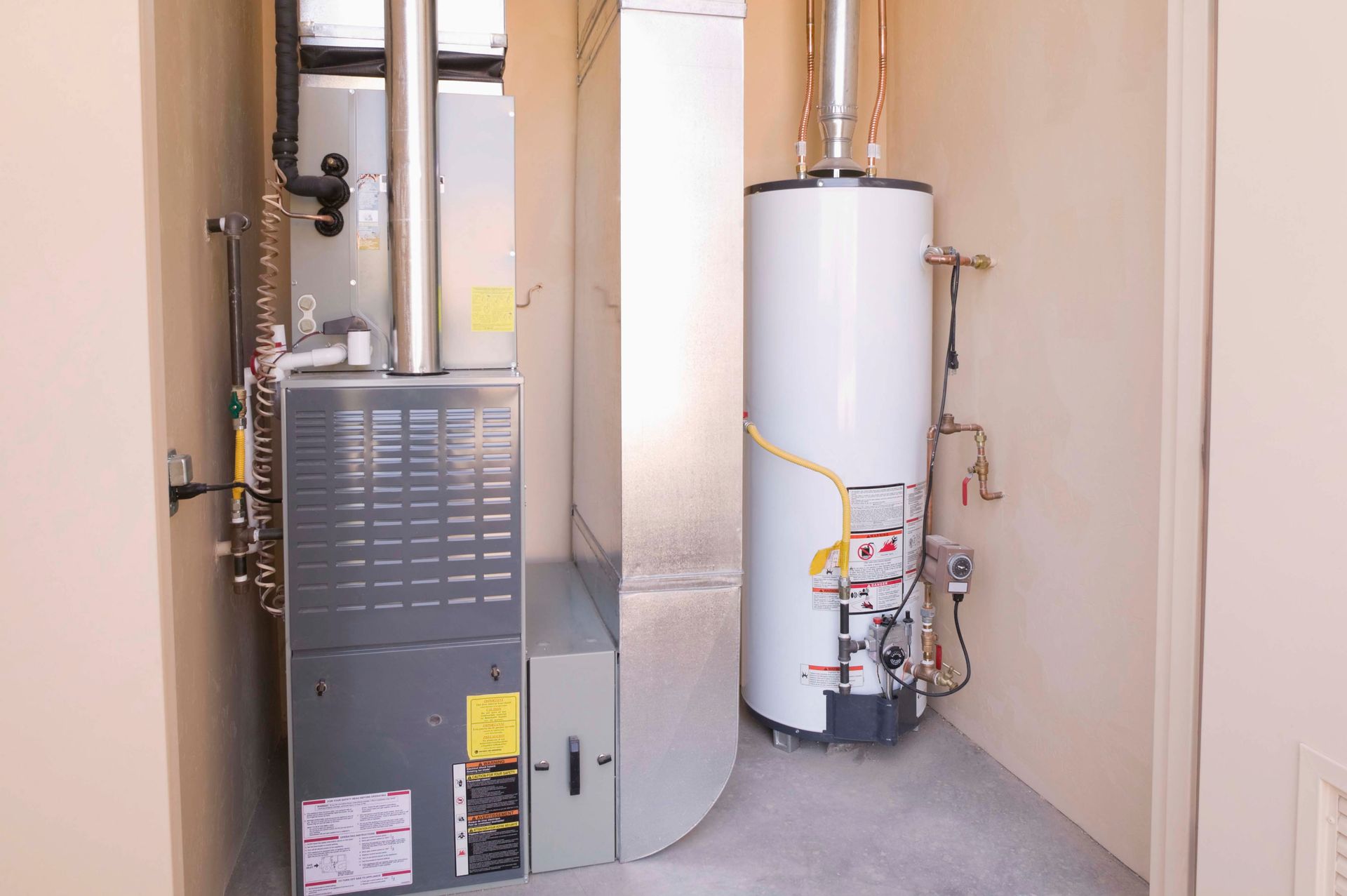
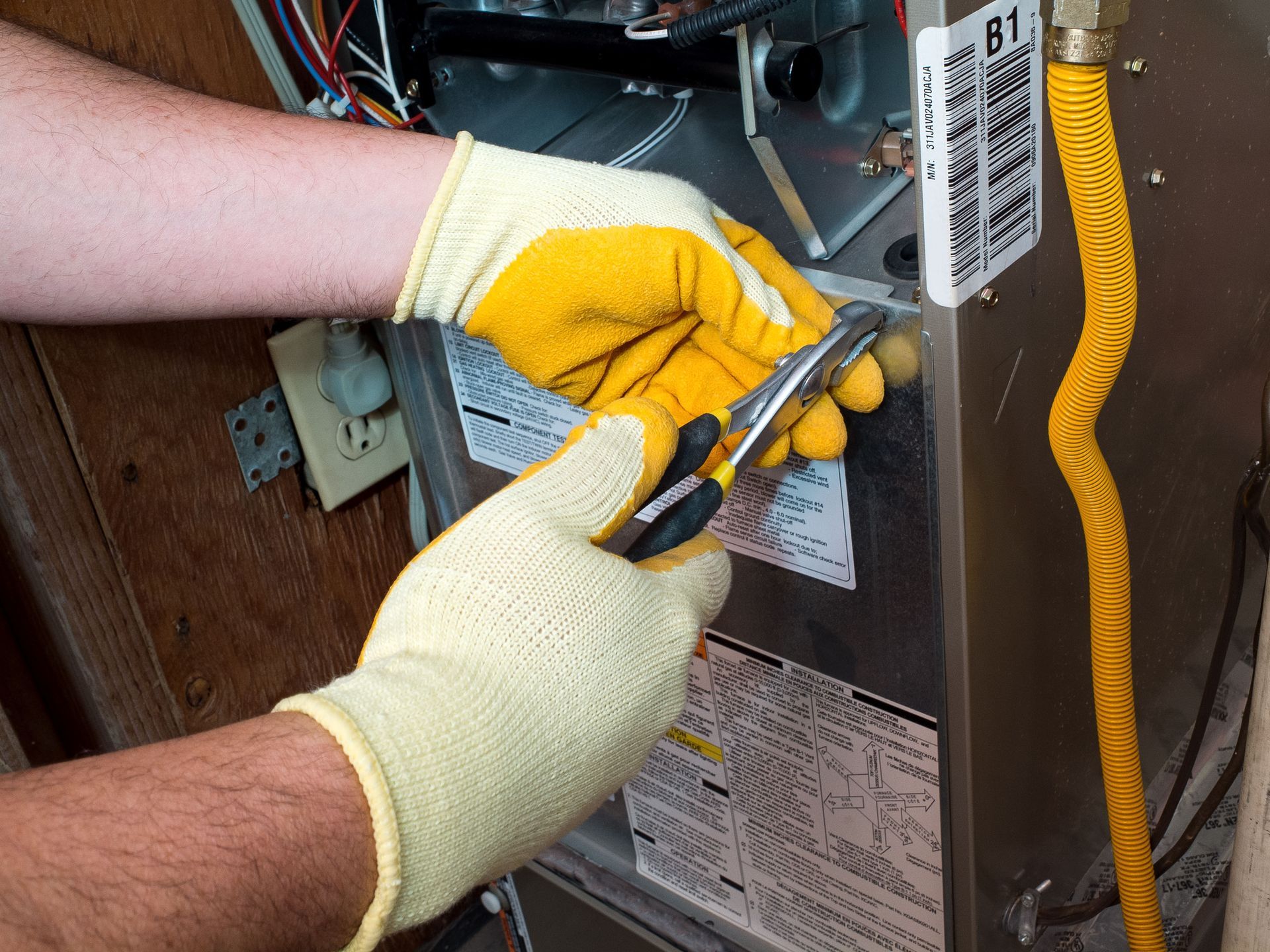
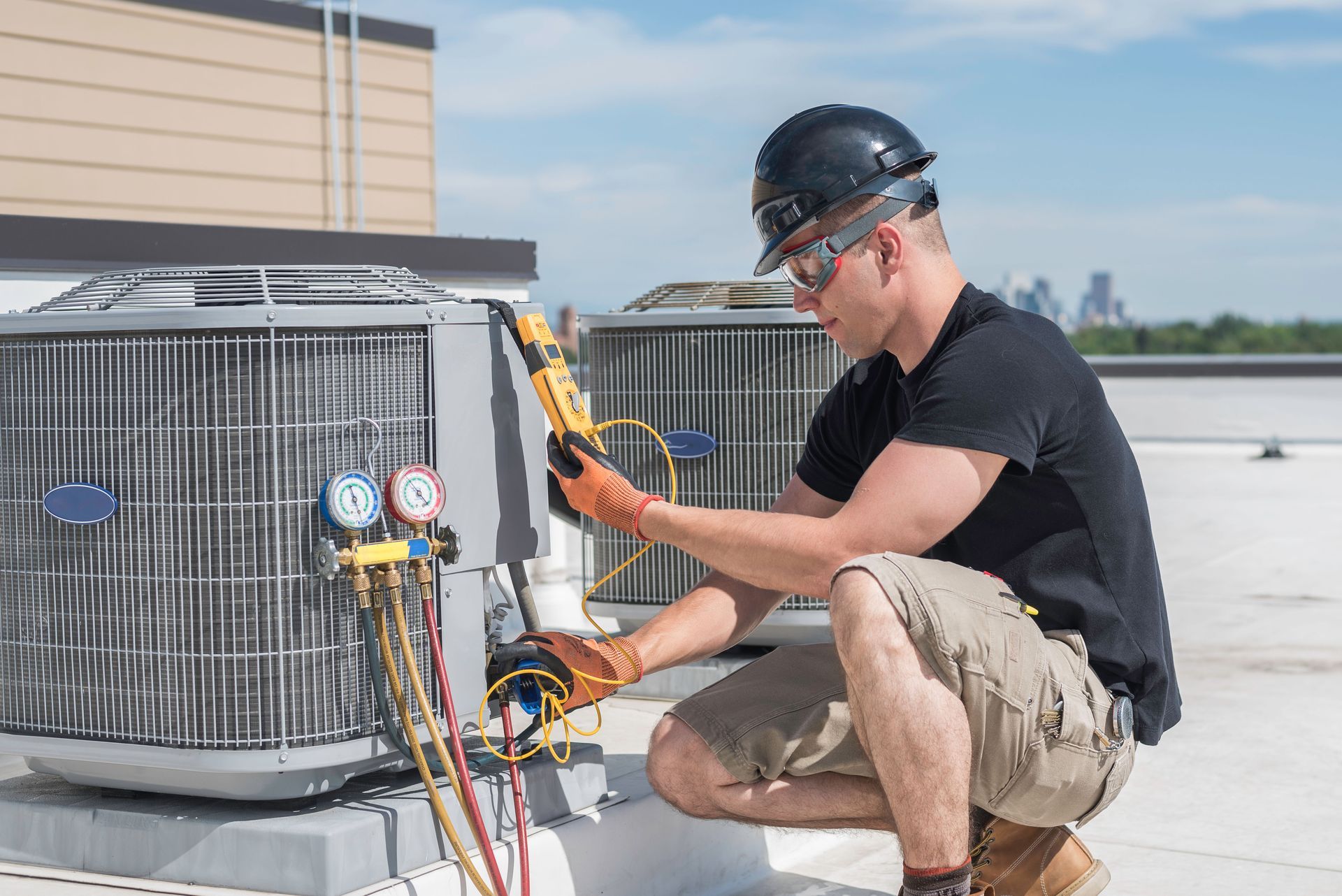
Mitigating cardiovascular risks associated with airborne particles requires comprehensive strategies that involve both technology and lifestyle changes. Installing advanced filtration systems and regularly checking HVAC units can help maintain optimal conditions.
Promoting healthy behaviors such as regular physical activity and a balanced diet can also improve cardiovascular resilience. By addressing indoor pollution sources, communities can work towards lowering the cardiovascular burden, further emphasizing the importance of prioritizing indoor air quality.
Effect on Cognitive Function
Workplace Productivity and Cognitive Health
Air quality is a significant determinant of workplace productivity, with studies showing that poor conditions can impair cognitive performance and decision-making. Exposure to excessive particulate matter can lead to fatigue, lack of focus, and decreased mental alertness.
Employers are increasingly recognizing the importance of providing a healthy work environment as part of modernization initiatives. Simple practices such as regular assessments and the use of air purifiers can help maintain a conducive atmosphere and better indoor air quality, which directly translates to improved employee output and overall well-being.
Influence on Indoor Environments
Maintenance and System Efficiency
Indoor environments are significantly affected by small airborne particles as they contribute to dust accumulation. Dust accumulation can degrade air quality and lead to increased cleaning requirements within homes and offices.
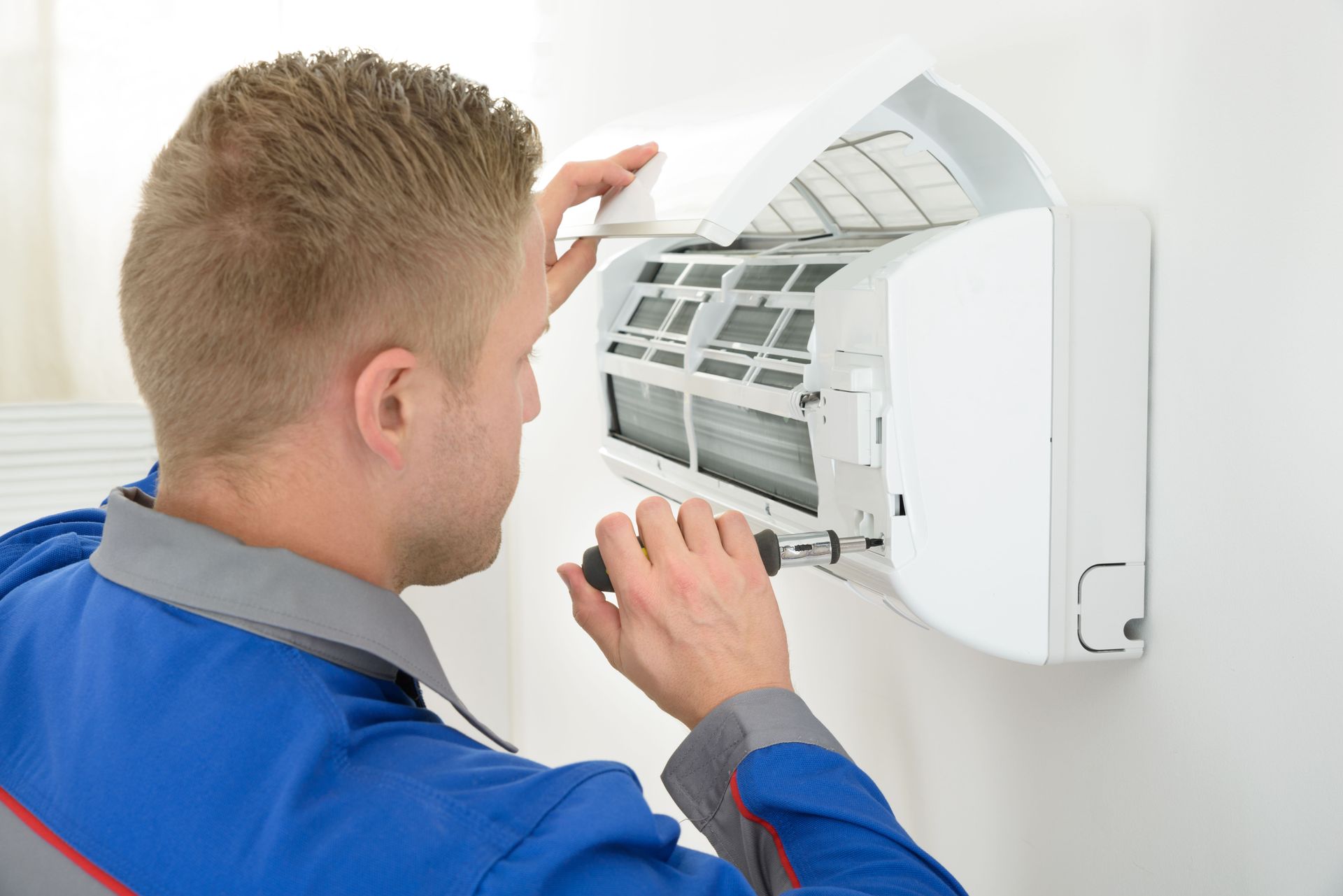
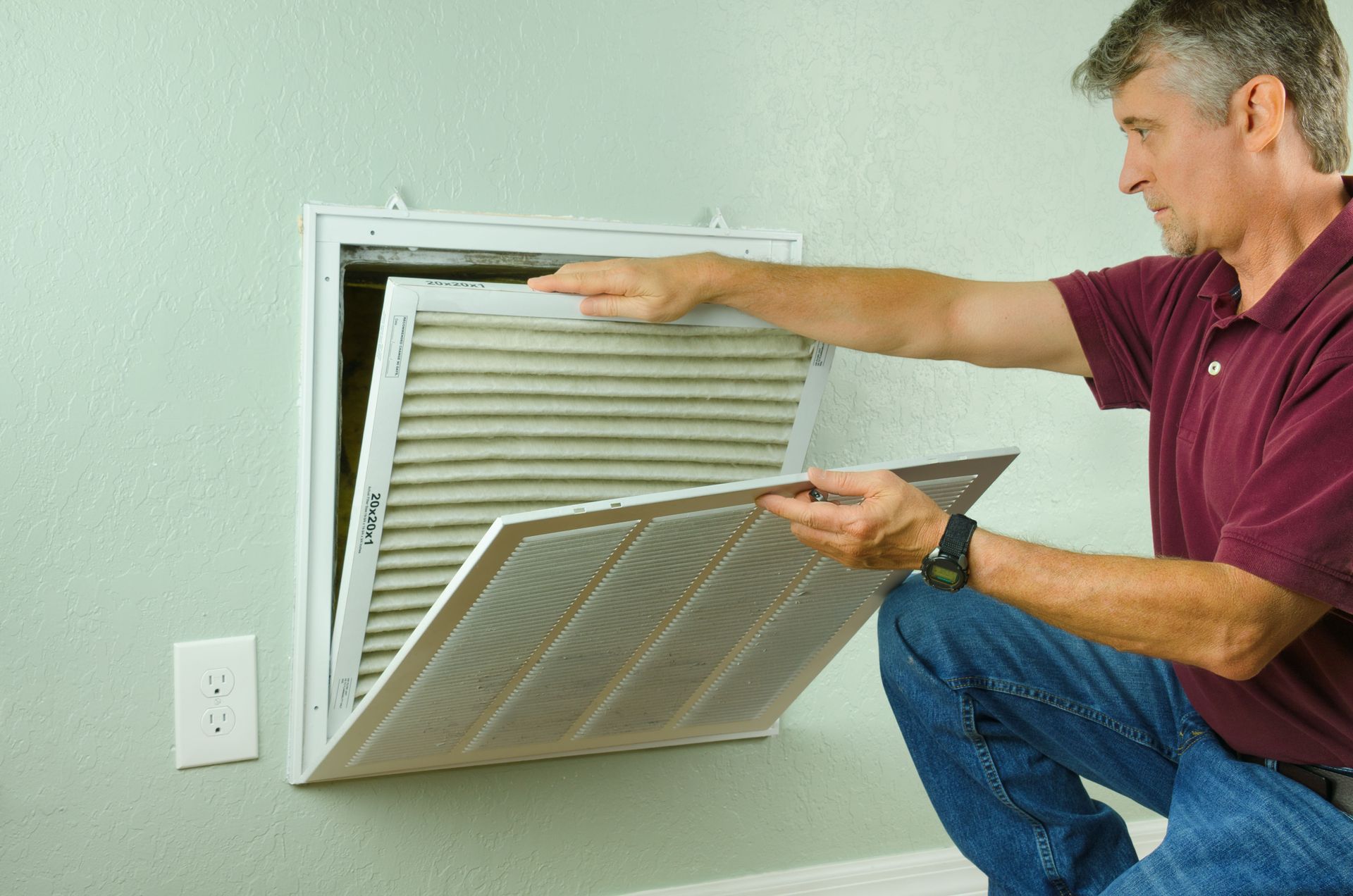
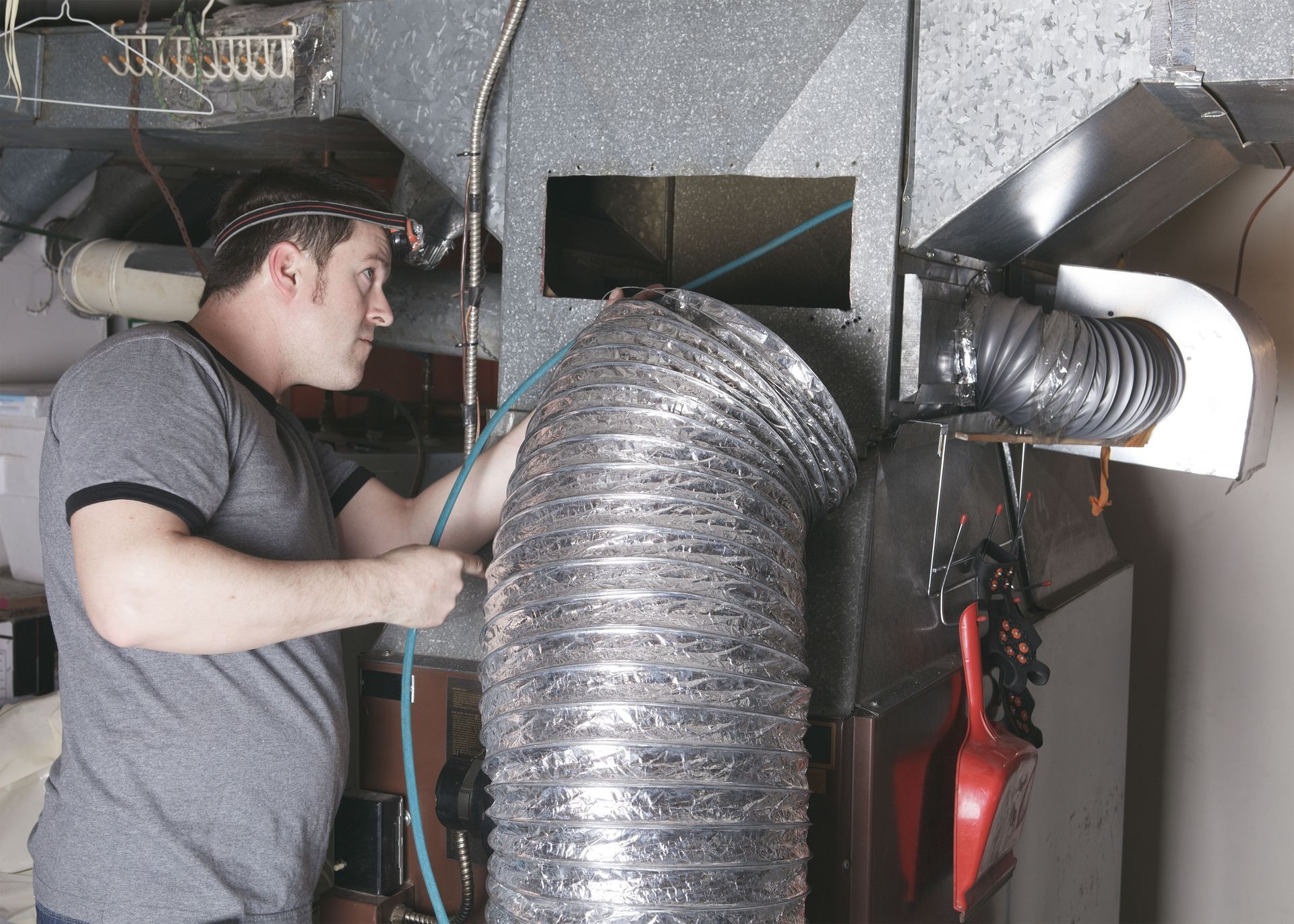
HVAC systems are crucial for regulating the environment, but they can be compromised by particle accumulation. Small particles can clog filters, reducing system efficiency and leading to increased energy consumption and maintenance costs. By maintaining a clean system, you also ensure that the air being circulated remains cleaner, further supporting excellent indoor air quality throughout your property.
Strategies for Management
Effective management involves a combination of technological and behavioral strategies to reduce particle levels. Using air purifiers, controlling humidity, and ensuring proper ventilation are key steps in improving the space.
Regular cleaning practices and the use of low-emission products can help maintain clean indoor environments. Educating occupants about the sources and impacts of airborne particles can promote proactive behavior aimed at minimizing exposure and maintaining high indoor air quality standards.
Technological and Behavioral Solutions
Purification and Monitoring
Air purification technologies are essential tools in combating indoor air pollution, particularly small airborne particles. High-efficiency particulate air filters are highly effective at capturing particles, enhancing purification efforts significantly.
Smart monitoring systems provide real-time insights into the environment, helping identify and address sources of pollution. Many smart monitors integrate with other home systems to automate ventilation and purification actions, ensuring optimal conditions.
Ventilation and Personal Behavior
Proper ventilation is critical in managing pollution concentrations and reducing airborne particle levels. Opening windows and using exhaust fans in kitchens and bathrooms can help remove indoor pollutants effectively.
Changing personal behaviors can also significantly impact overall health and reduce exposure to harmful particles. Emphasizing regular cleaning and decluttering helps reduce dust and allergens, supporting a consistent and healthy indoor air quality level for your family. By adopting these comprehensive strategies, residents can create a protective barrier against the many microscopic threats present in everyday indoor air.
Maintaining optimal indoor air quality is a fundamental aspect of creating a healthy, productive, and comfortable living or working environment. By understanding the sources of small airborne particles and implementing effective mitigation strategies—such as improved filtration, consistent HVAC maintenance, and proactive personal habits—you can significantly reduce your exposure to harmful pollutants. Prioritizing these measures not only safeguards your respiratory and cardiovascular health but also supports long-term cognitive well-being. Ultimately, taking these steps toward cleaner air is an essential investment in the lasting comfort and vitality of your home and workplace. For more information, contact Mike Bryant Heating & Cooling.


Share On: