What to Know About Replacing an Older AC System
An aging air conditioning system can become a source of frustration for homeowners, particularly when it struggles to maintain comfortable indoor temperatures during periods of hot weather. Frequent repairs, uneven cooling, rising energy consumption, and unusual noises may all indicate that an older system is approaching the end of its useful life. While routine maintenance can help keep equipment operating effectively, there comes a point when continuing to repair an outdated unit may no longer be practical.
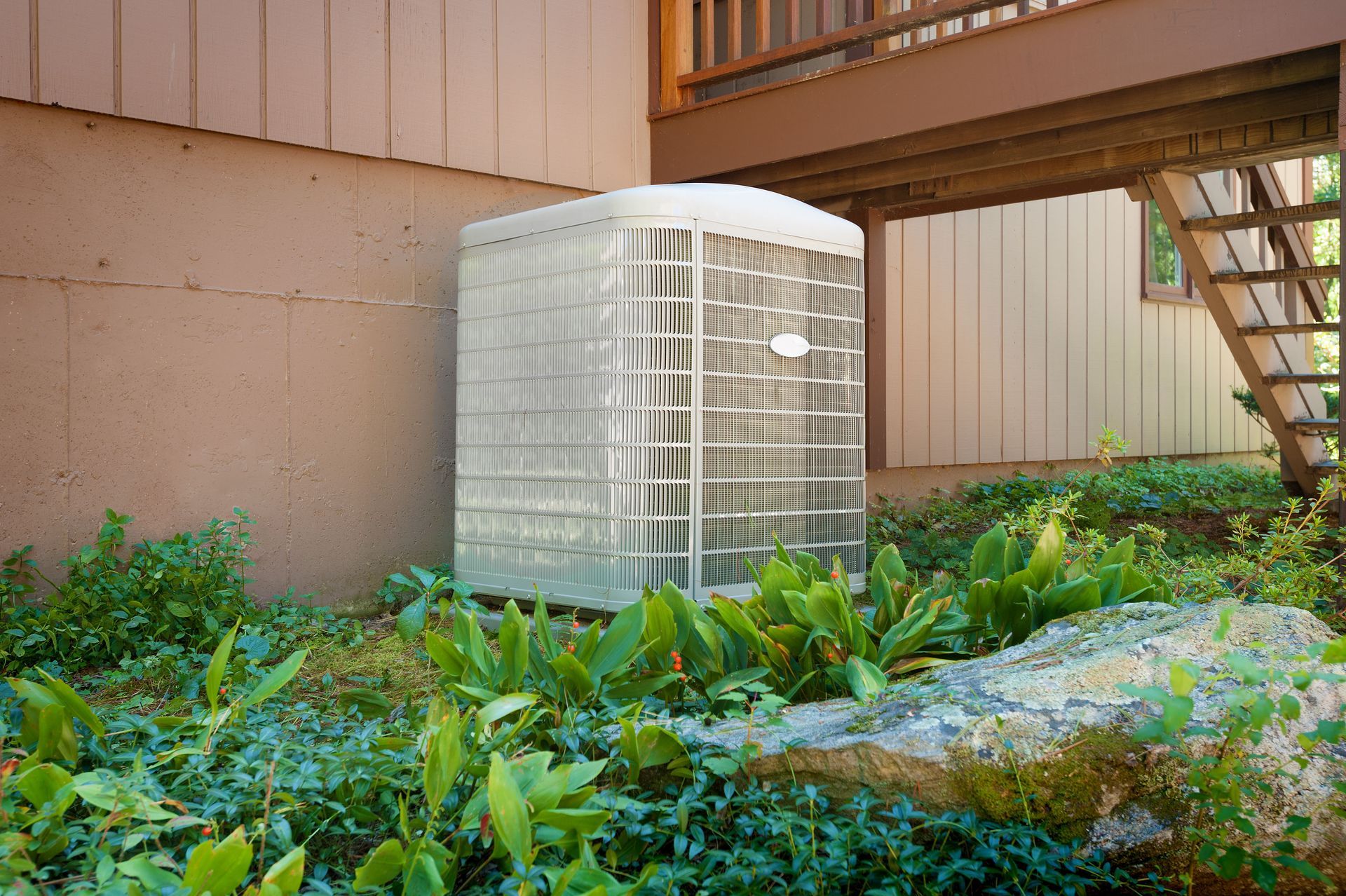
Replacing an older system involves more than simply selecting another air conditioner. Homeowners should consider the condition of their current equipment, the cooling needs of the property, energy efficiency, installation requirements, and long-term comfort expectations. Working with a professional new AC installation service can help homeowners understand these factors and select equipment that is appropriate for their homes. Learning what to expect from the replacement process can also make the decision easier and help homeowners feel confident about investing in updated cooling equipment.
Recognizing When an Older AC System Needs Replacement
Age is an important consideration when determining whether an air conditioner should be replaced. Even equipment that has received regular maintenance experiences wear over time. Internal components may become less reliable, efficiency can decline, and the system may have to operate longer to provide the same level of cooling it once delivered.
In fact, according to This Old House, most central air conditioning systems last about 7–15 years, with performance decline often beginning closer to the 10-year mark under real-world conditions, particularly with heavy seasonal use or poor maintenance. While age alone does not automatically mean replacement is necessary, it provides useful context when combined with the system’s overall condition and performance.
Homeowners should also pay attention to repeated repair needs. An occasional repair does not necessarily indicate that an entire system should be replaced, but frequent breakdowns can become increasingly inconvenient and expensive. A professional new AC installation service can evaluate the existing equipment and help determine whether replacement may offer better long-term value than continuing to repair an aging unit.
Evaluating How an Older AC System Performs
Performance problems can provide additional clues about the condition of an air conditioner. A system that once cooled a home evenly may begin leaving certain rooms warmer than others. Homeowners may also notice that the equipment operates for extended periods or seems unable to reach the desired thermostat setting during warmer weather.
Changes in utility costs can also deserve attention. Older systems may consume more energy as components wear and efficiency declines. However, energy use can be influenced by many factors, including weather, insulation, thermostat habits, and household activity. For this reason, increased energy consumption should be considered alongside other signs of declining performance rather than treated as proof that replacement is required.
A qualified technician can inspect the equipment and identify potential causes of poor performance. If the system has significant wear or several components are nearing the end of their useful lives, a new AC installation service may provide a more practical solution. Professional evaluation helps homeowners avoid making replacement decisions based on assumptions alone.
Choosing How a New AC System Fits the Home
Selecting replacement equipment requires careful consideration of the home’s cooling requirements. Bigger equipment is not automatically better. An air conditioner needs to be appropriately matched to factors such as the size and layout of the property, insulation, windows, existing ductwork, and typical cooling demands.
Homeowners can discuss available equipment features, efficiency options, comfort preferences, and budget considerations with an HVAC professional. A new AC installation service can use information about the property to recommend equipment that better matches its specific needs. This personalized approach is more reliable than selecting an air conditioner based only on the size or specifications of the previous system.
Considering How Efficiency Affects Long-Term Comfort
Modern air conditioning equipment may offer efficiency and comfort improvements compared with substantially older systems. Updated equipment can provide more consistent cooling while helping homeowners manage household energy use. The potential improvement will depend on the condition of the previous unit, the replacement equipment selected, and characteristics of the home itself.
This is another reason professional planning matters. During a new AC installation service, technicians can consider how the replacement equipment will work with other parts of the home’s cooling system. Looking at the property as a complete system can support more consistent temperatures, reliable operation, and better overall comfort.
Preparing: How the Home Supports Replacement Equipment
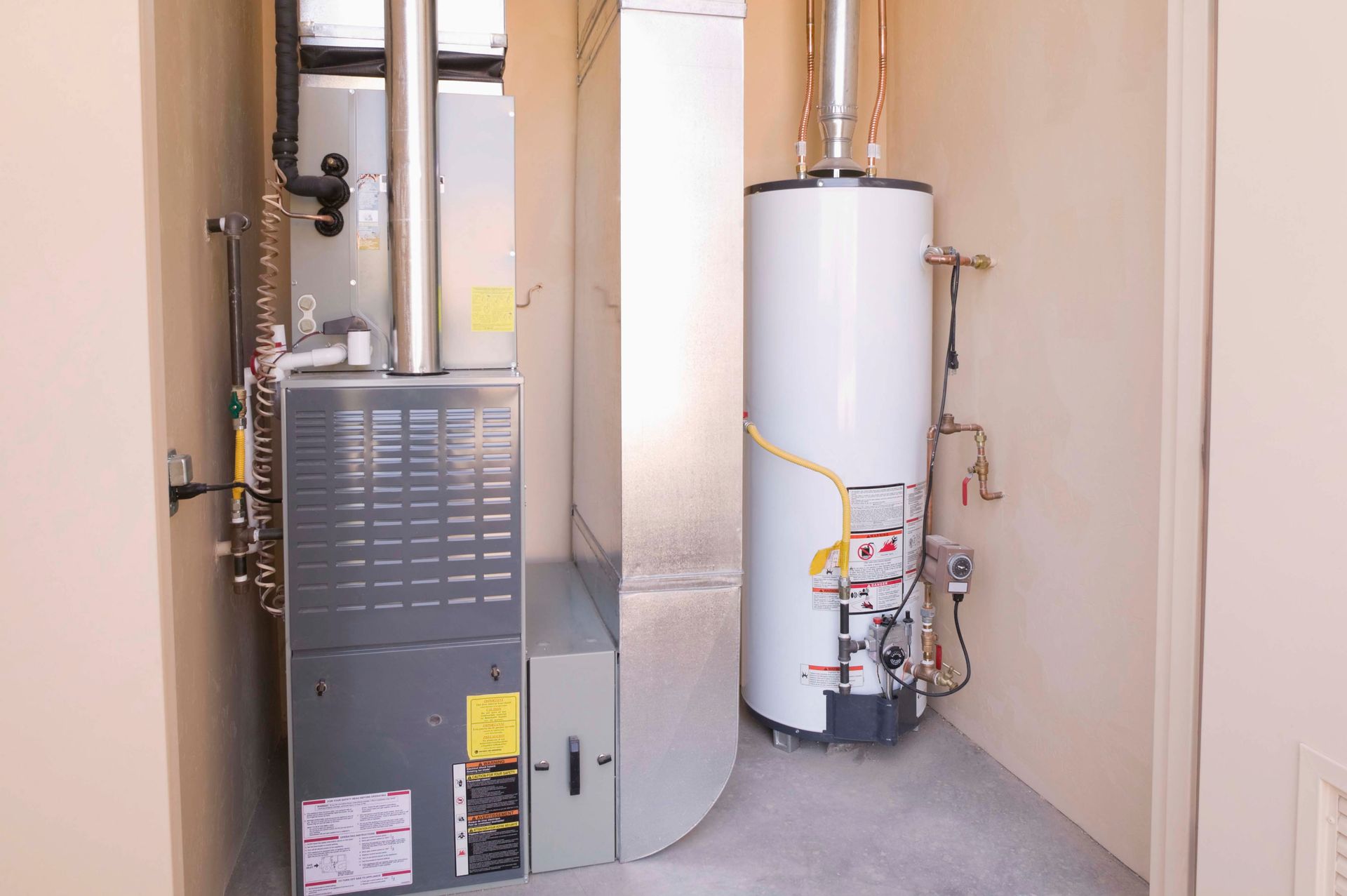
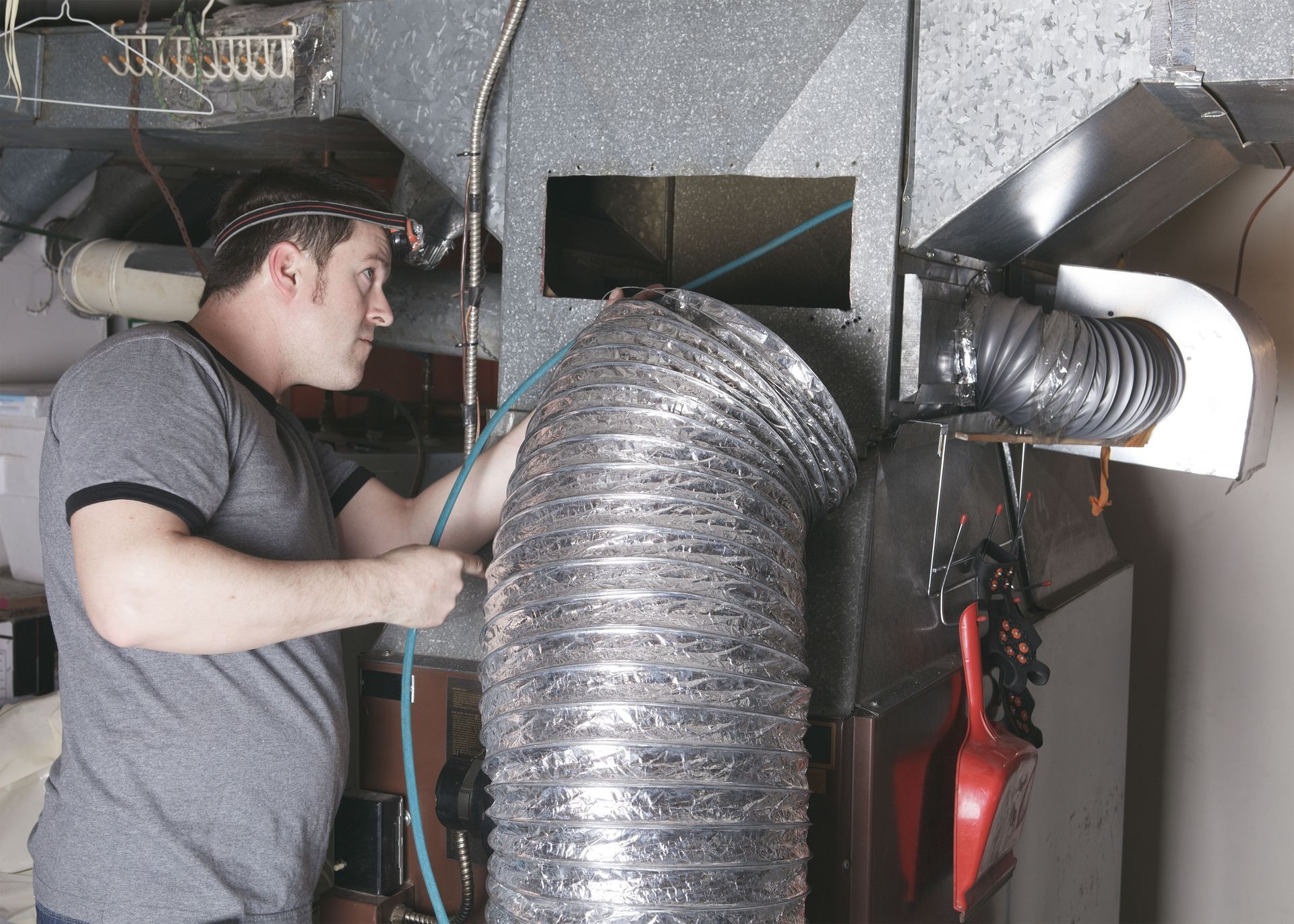
Before replacement equipment is installed, the existing HVAC setup should be evaluated. An older air conditioner may be connected to ductwork, electrical components, drainage systems, or other equipment that has also experienced years of use. Understanding the condition of these supporting components helps determine whether additional work should be considered during the replacement project.
Ductwork is particularly important because conditioned air must travel through it before reaching different areas of the home. Leaks, damage, or other duct problems can reduce comfort even when the air conditioner itself is operating properly. Existing system components should therefore be assessed rather than assuming that replacing the outdoor or indoor equipment alone will resolve every cooling concern.
A professional new AC installation service can examine installation conditions and explain what may need attention before new equipment is put into operation. This preparation helps create a suitable environment for the replacement system and reduces the likelihood that existing problems will interfere with its performance.
Understanding How Professional Installation Protects Performance
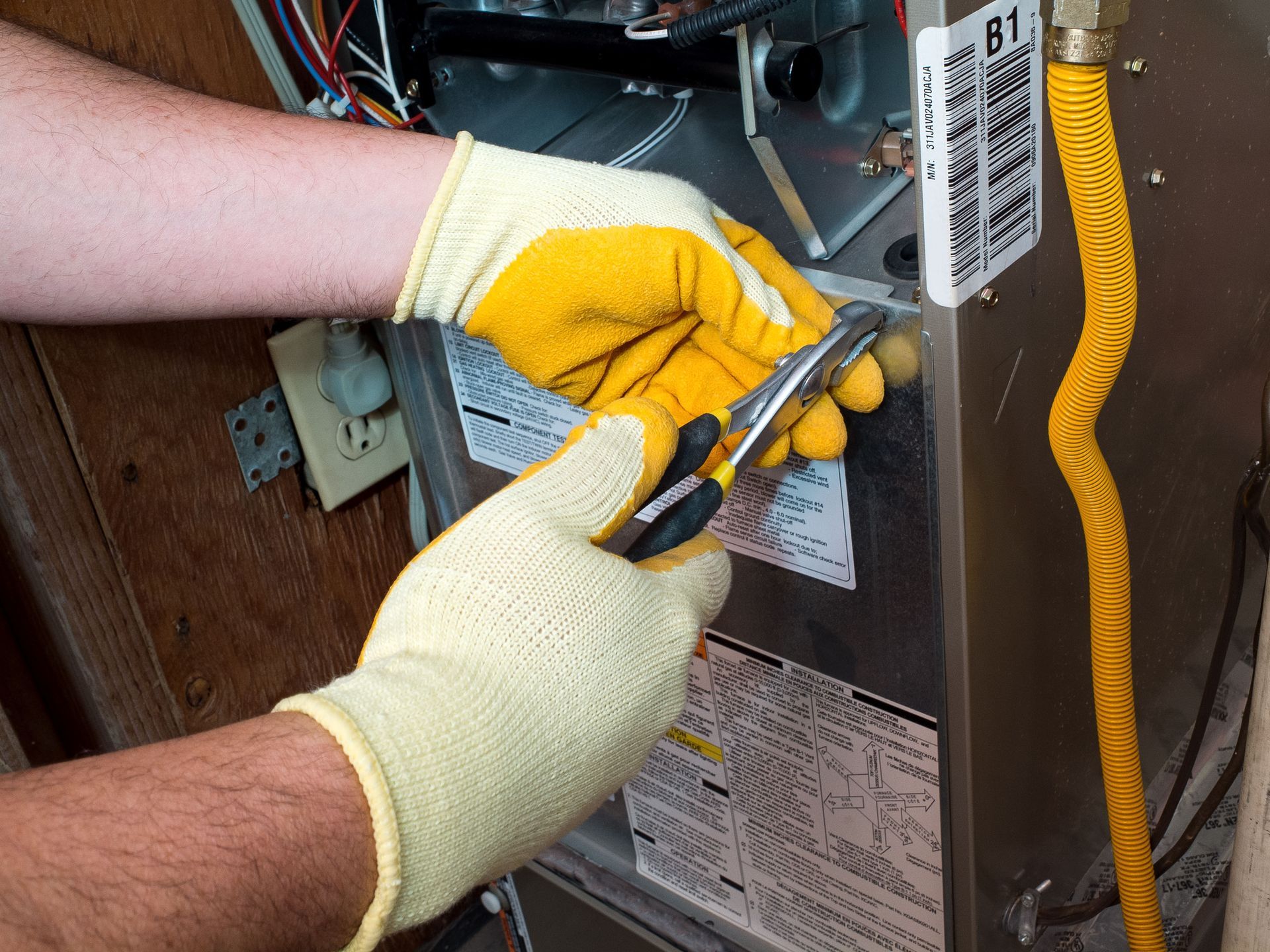
The quality of installation can influence how effectively an air conditioner performs throughout its service life. Even high-quality equipment may not deliver expected results when it is incorrectly selected or installed. Proper installation requires technical knowledge of HVAC equipment, electrical connections, airflow, drainage, refrigerant systems, and manufacturer requirements.
Professional technicians also verify that the equipment is operating correctly after installation. This allows potential issues to be identified before the system becomes responsible for meeting the home’s regular cooling demands. Homeowners can also receive information about operating the new equipment and maintaining it appropriately.
Choosing an experienced new AC installation service gives homeowners access to technicians who understand these requirements. Rather than treating replacement as a simple equipment swap, professionals can account for the factors that influence efficiency, reliability, and indoor comfort.
Maintaining How the New AC System Performs
Replacing an aging air conditioner is only the beginning of caring for the new equipment. Regular professional maintenance remains important after installation because it gives technicians opportunities to inspect components, evaluate operation, and identify developing concerns before they become larger problems.
Homeowners should also remain attentive to changes in comfort or equipment behavior. New noises, unusual cycling, inconsistent temperatures, or unexpected changes in performance deserve professional attention. Addressing concerns promptly may help protect the system and prevent minor issues from placing unnecessary stress on other components.
A reputable new AC installation service can also explain recommended maintenance practices for the specific equipment installed. Understanding these requirements from the beginning helps homeowners establish appropriate expectations for ongoing system care and protect the value of their investment.
Planning How an AC Replacement Supports the Future
Replacing an older air conditioning system is an opportunity to improve more than immediate cooling. It allows homeowners to reassess their comfort priorities, evaluate the condition of their HVAC setup, and choose equipment suited to the home’s current needs. A thoughtful replacement can provide a stronger foundation for dependable cooling and easier system management in the years ahead.
Homeowners do not need to wait for complete equipment failure before considering their options. If an older system is showing signs of declining performance, professional evaluation can clarify whether repair or replacement makes more sense. Planning also provides more time to understand available equipment and make a considered decision instead of responding to an unexpected breakdown.
When you’re ready to explore replacement options, contact Mike Bryant Heating & Cooling LLC. We can evaluate your current cooling system, discuss your home’s needs, and help you determine whether updated equipment is the right choice. Our team can provide the professional guidance and new AC installation service needed to support reliable comfort throughout your home.

Share On: