What Causes an AC System to Short-Cycle?
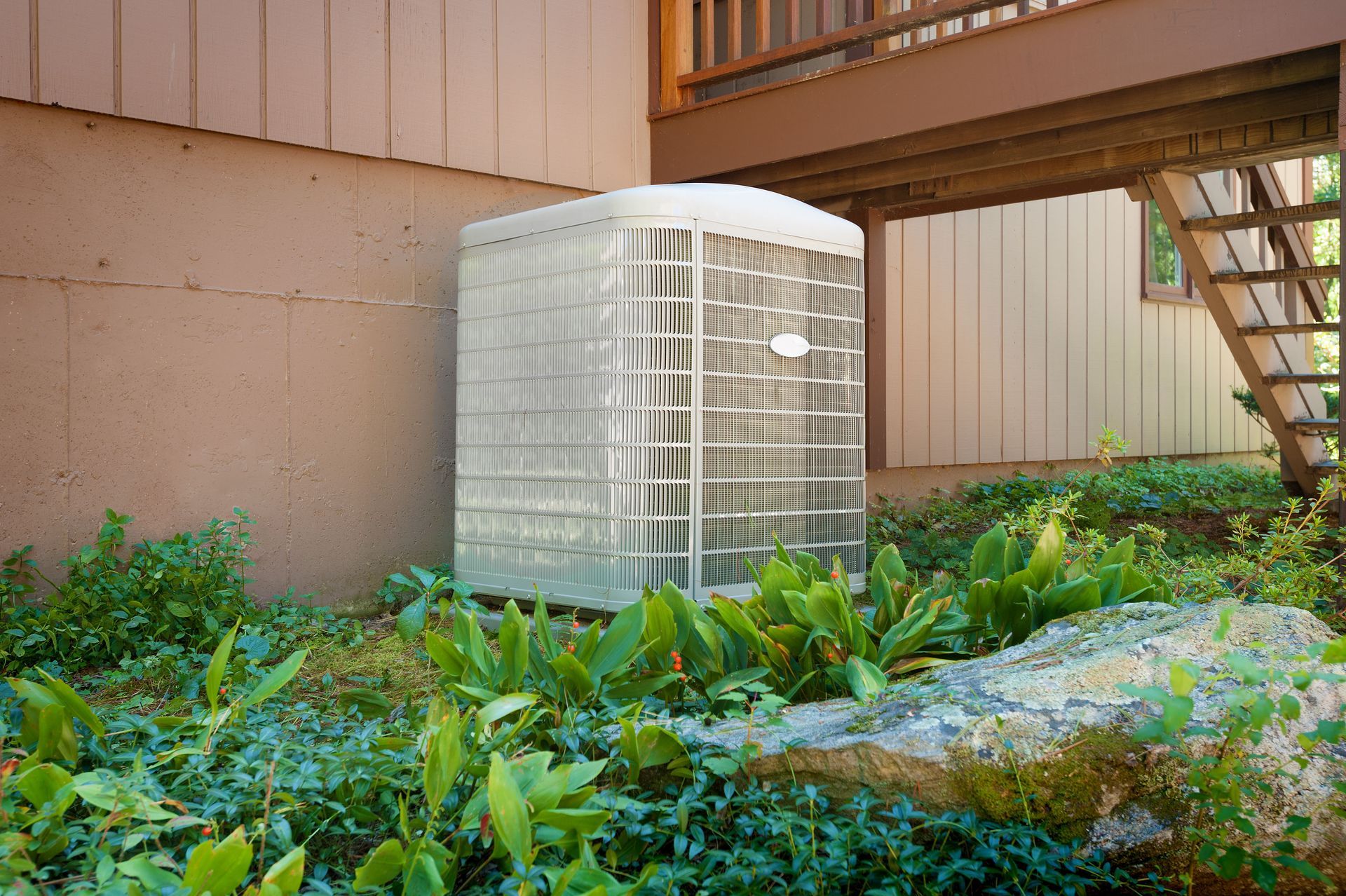
When your air conditioner turns on, runs for just a few minutes, and abruptly shuts off only to repeat the process moments later, your system is short-cycling. This constant starting and stopping places severe stress on internal components, drives up monthly energy bills, and leaves your home feeling uncomfortably warm and humid. Staying aware of these patterns helps you catch trouble early before small glitches turn into complete system shutdowns.
According to Workyard, air conditioning is used by 88% of U.S. households, with two-thirds having central AC or heat pumps. Understanding why your cooling unit behaves this way helps you recognize early warning signs before major breakdowns occur. Here are five common reasons why cooling systems experience short-cycling issues throughout the hot summer months. Paying attention to these subtle warning signs makes it much easier to keep your living space pleasantly cool all season long.
Experiencing Dirty and Clogged Air Filters
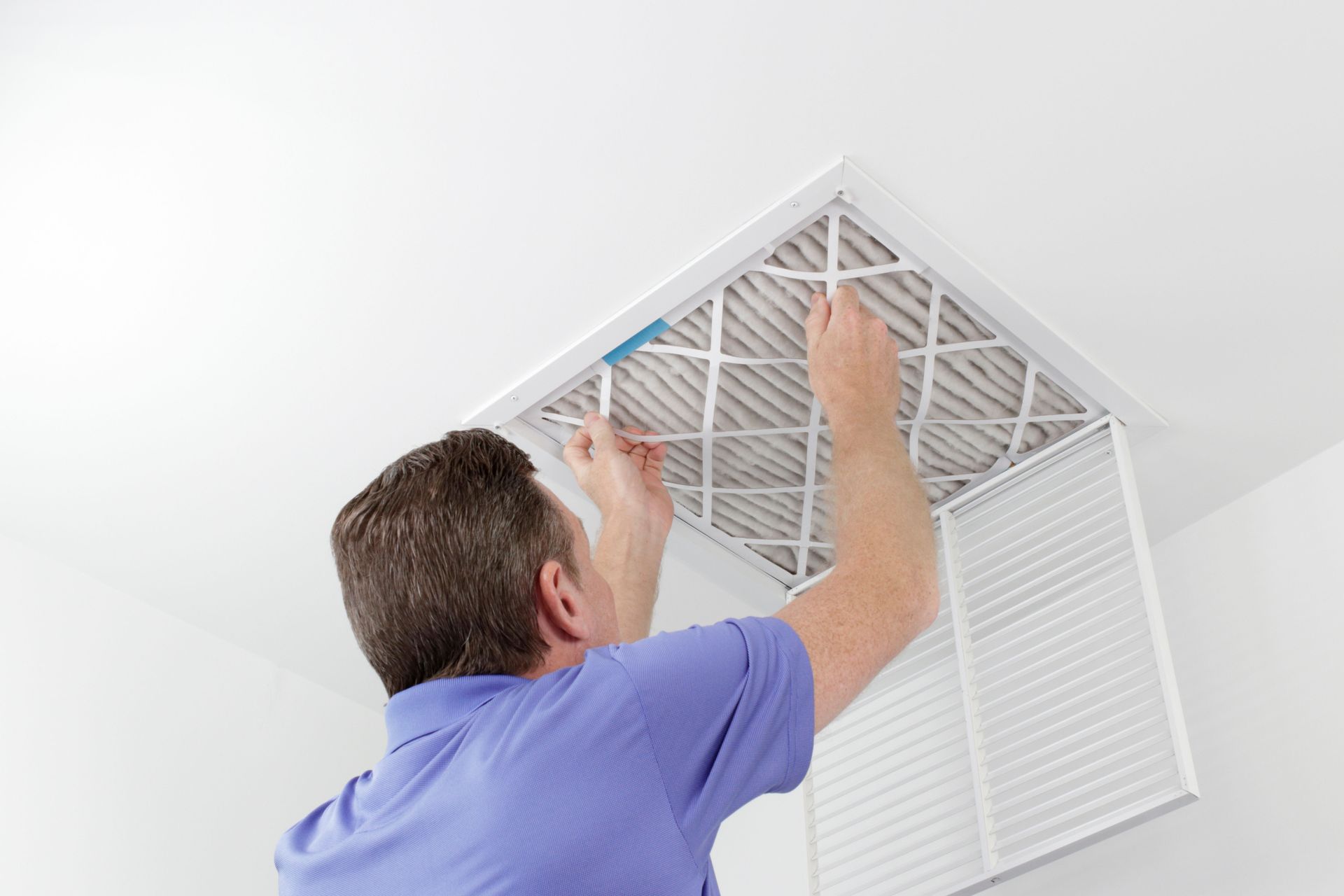
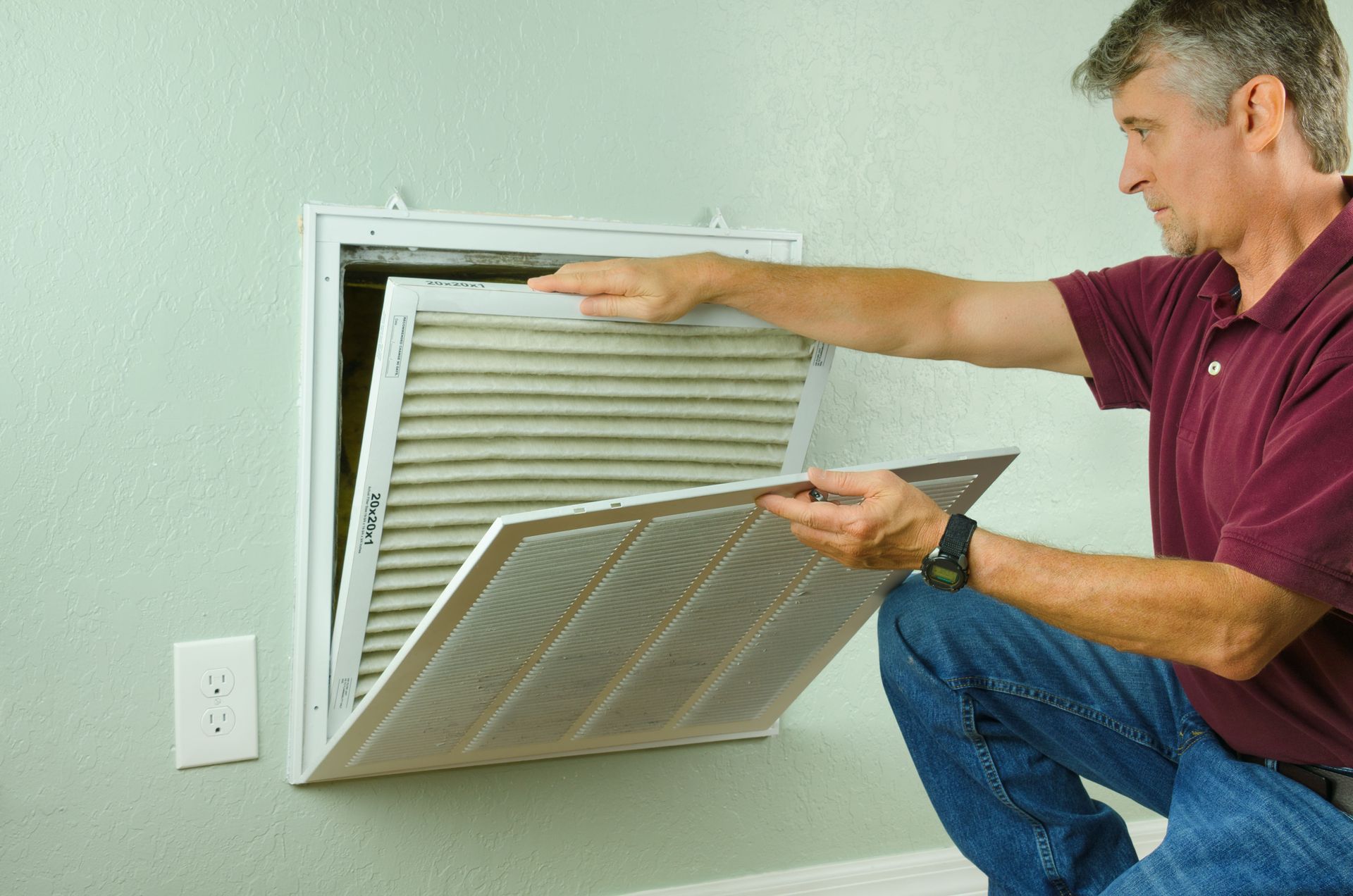
Air filters serve as the first line of defense for your cooling equipment by capturing dust, pollen, and pet dander. When a filter becomes heavily clogged with debris, airflow through the system slows down to a crawl. This restriction forces your air conditioner to labor much harder than normal to move conditioned air through your living space. Left unchecked, poor airflow quickly degrades indoor air quality while straining mechanical parts.
Because cool air cannot pass freely over the evaporator coil, the internal temperature inside the air handler drops drastically. The drop in temperature causes ice to form on the coils, triggering internal safety sensors to trip and shut down the equipment prematurely. Once the ice melts slightly, the system restarts, only to freeze up and shut off again shortly after. This ongoing cycle creates a frustrating loop that keeps your rooms feeling sticky and hot.
Ignoring a dirty filter leads to continuous cycling that wears down the compressor and blower motor fast. Replacing or cleaning filters on a strict monthly schedule keeps air moving freely and protects vital components. Routine maintenance prevents unexpected breakdowns and reduces the need for emergency AC repair during peak heat waves. Simple preventive measures like swapping out filters go a long way toward maintaining steady efficiency.
Dealing With Incorrectly Sized Air Conditioners
Many homeowners assume that a bigger cooling system automatically means better comfort during the summer heat. However, an oversized unit cools down a house far too quickly without giving the system enough time to complete a full operational cycle. The thermostat reaches its target temperature in a flash, causing the unit to shut down almost instantly. Choosing equipment based purely on square footage without accounting for layout often leads to this mismatch.
Rapid cooling cycles prevent the equipment from running long enough to pull humidity out of the indoor air. As a result, your home feels sticky and damp even though the indoor thermometer reads cool. The continuous cycling on and off causes severe wear and tear on electrical parts and dramatically shortens the lifespan of your cooling setup. High humidity levels can also encourage mold growth along vents and baseboards over time.
Proper heat load calculations are essential when selecting a cooling unit to fit a home's exact square footage. A correctly sized unit runs steady, continuous cycles that maintain balanced temperatures and control humidity effectively. Getting the right capacity from the start saves money on energy and avoids frequent calls for professional AC repair. Investing time in accurate calculations upfront protects both your wallet and your indoor environment.
Managing Low Refrigerant Fluid Levels
Refrigerant acts as the heat-absorbing chemical fluid that circulates through coils to carry heat out of your home. When a cooling unit develops leaks along its copper lines, refrigerant levels drop below the manufacturer's operational design limits. Low fluid pressure prevents the evaporator coil from absorbing heat effectively from circulating indoor air. Without sufficient pressure, the whole thermodynamic process breaks down rapidly inside the sealed system.
As line pressure plunges, internal low-pressure switches actuate automatically to shut down the compressor to prevent motor destruction. After the pressure stabilizes for a brief moment, the system tries to kick back on, creating an endless, noisy cycle of quick starts and sudden stops. This continuous cycling generates excessive heat that damages internal components. The extra heat and friction take a heavy toll on the motor windings inside the compressor unit.
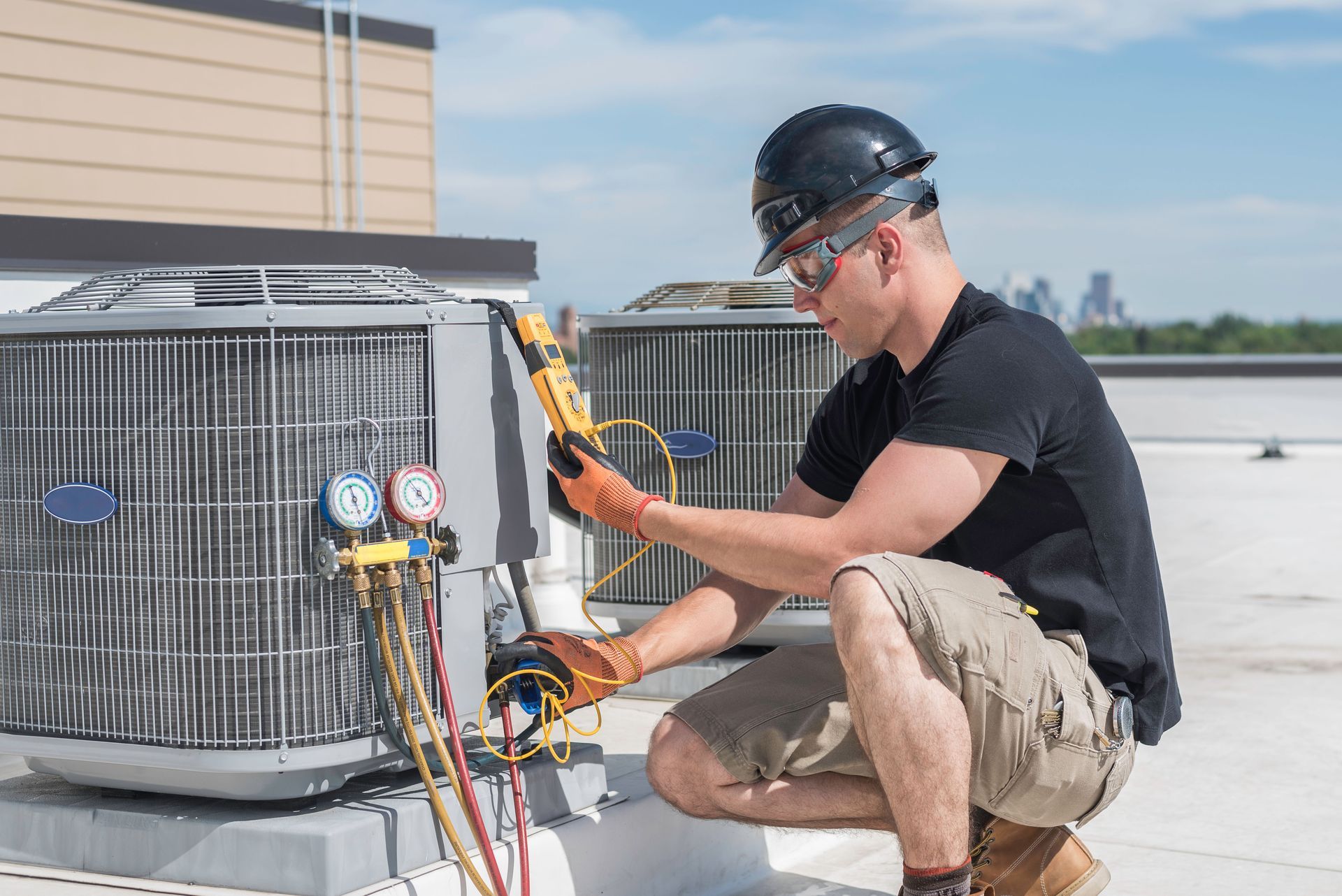
Refrigerant leaks do not fix themselves because cooling systems operate inside a sealed loop. Identifying leak locations and sealing pressure lines requires special tools and expert technical training. Addressing refrigerant issues promptly protects the compressor from complete mechanical failure and saves you from a costly AC repair bill. Timely service restores correct pressure balance so your unit operates cleanly without rapid shutoffs.
Handling Malfunctioning Thermostat Electrical Sensors
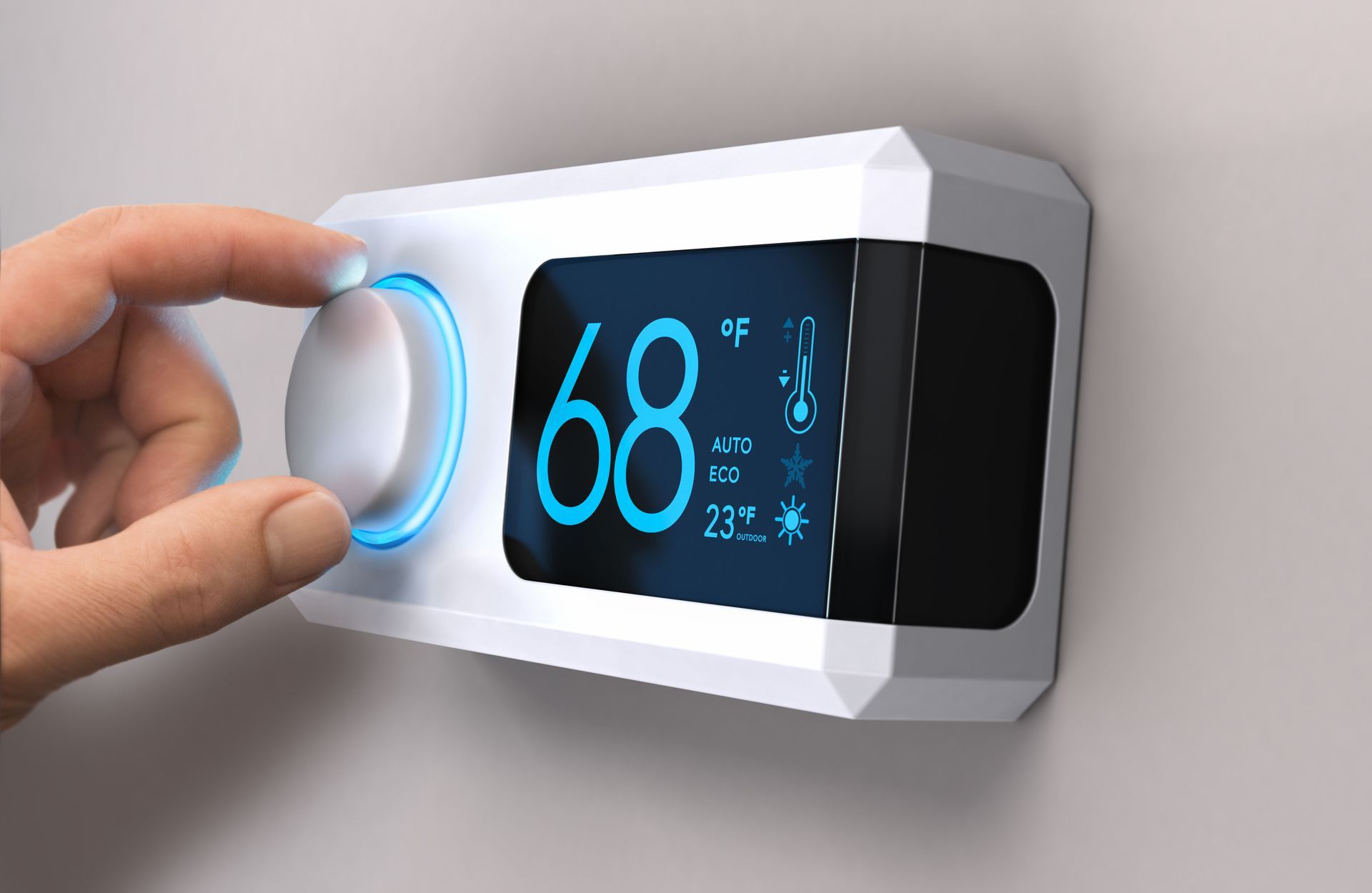
The thermostat acts as the brain of your home cooling system, directing components when to run and when to pause. When sensors inside the thermostat fail or misread ambient temperatures, the device sends inaccurate signals to the cooling equipment. These bad readings force the system to start up and shut down at random intervals throughout the day. Even small electrical glitches inside the control panel can throw off the entire operating schedule.
Placement of the thermostat plays a massive role in how accurately it senses overall indoor air temperature. Installing a thermostat near sunny windows, hot kitchen appliances, or supply vents creates localized hot or cold spots that trick internal sensors. The device detects a sudden temperature shift, turns the system on briefly, and shuts it off a minute later. These temperature spikes do not reflect the actual atmosphere in the rest of your home.
Calibrating temperature sensors and relocating thermostat units away from direct heat sources helps restore normal operation. Ensuring proper wiring connections stops erratic signals from interrupting normal cooling patterns. Correcting control issues quickly restores consistent home comfort while lowering the risk of needing complex AC repair work. Modern digital controls work best when positioned in central areas with balanced airflow.
Suffering From Frozen Evaporator Coils
Evaporator coils rely on steady airflow to absorb warm air from rooms and transfer it outside. When dirt builds up on coil fins or airflow drops, the coil temperature drops below freezing. Moisture drifting across the metal fins freezes instantly, encasing the entire coil assembly in a thick sheet of solid ice. Frost accumulation accelerates rapidly once the initial ice layer establishes itself on the metal.
An icy coil blocks airflow completely and prevents heat transfer from taking place inside the air handler. Safety controls respond to the extreme temperature drop by shutting the unit down to protect the motor from burning out. The system stays off until the ice thaws slightly, at which point it turns back on and repeats the cycle. Water runoff from the melting ice can also overflow drain pans and cause secondary water damage nearby.
Running a cooling system with frozen components leads to liquid refrigerant flowing backward into the compressor, which causes fatal mechanical damage. Turning the unit off immediately allows the ice to melt safely and protects vital parts. Clearing frozen components early helps protect your equipment investment and prevents the need for major AC repair. Taking fast action prevents severe mechanical failure and keeps repair expenses manageable.
Short-cycling is a serious warning sign that your air conditioning system is under severe strain. Ignoring these quick operational cycles can lead to inflated energy bills, uncomfortable indoor humidity, and major component failure. Prompt AC repair keeps your home comfortable, restores system efficiency, and extends the overall lifespan of your cooling equipment. Contact Mike Bryant Heating & Cooling LLC for routine care and attentive monitoring that'll keep your cooling performance in top shape.
Share On: