7 Mistakes Homeowners Make When Choosing a Replacement Furnace
The selection of a central heating system represents a significant long-term financial commitment for any household. When the time comes to update an old, failing unit, the process can feel overwhelming due to the sheer volume of technical specifications, efficiency ratings, and installation requirements. Unfortunately, a lack of clear guidance often leads to critical errors during the decision-making phase. These errors can result in elevated monthly utility costs, uneven temperature distribution, and premature system failure.
By understanding the common pitfalls associated with purchasing a central heating unit, households can make informed decisions that protect their comfort and financial investment. Booking an expert furnace replacement service ensures that the new equipment operates safely and efficiently for its entire operational lifespan.
Below are the key mistakes to avoid during the selection process to ensure your household achieves optimal thermal comfort and long-term financial savings.
1. Ignoring the Overall System Capacity Requirements
A frequent error during a heating upgrade is assuming that a larger unit will automatically provide superior performance. Selecting an oversized heating system leads to a phenomenon known as short-cycling, where the unit activates, rapidly warms the living space, and shuts down before completing a full operational cycle. This constant starting and stopping accelerates mechanical wear, subjects components to excessive stress, and prevents the system from properly regulating indoor humidity levels.
Conversely, an undersized unit will run continuously in a futile effort to maintain the desired temperature during extreme weather conditions. This constant operation spikes utility bills and shortens the operational lifespan of the heat exchanger and blower motor. Accurate calculation of household heating demands requires a detailed load analysis that accounts for square footage, local climate patterns, ceiling heights, window configurations, and insulation quality. Securing a precision furnace replacement service removes the guesswork from this calculation stage.
2. Focusing Solely on the Initial Equipment Cost
Selecting a heating unit based entirely on the lowest available purchase price often leads to higher long-term operational expenses. Lower-priced units typically possess baseline efficiency ratings, meaning they consume more fuel or electricity to produce the same amount of heat as high-efficiency alternatives. Over years of consistent operation, the increased utility costs of a baseline unit can easily surpass the initial price difference of an advanced model.
Investing in a highly efficient unit yields significant financial returns over time through reduced monthly energy consumption. Furthermore, advanced systems feature superior build quality, quieter operation, and more sophisticated internal controls that enhance overall indoor air quality. Evaluating the total financial impact requires balancing the upfront purchase price against predictable monthly utility expenditures over the lifespan of the equipment. Consulting a premier furnace replacement service allows you to accurately compare lifetime costs.
3. Overlooking Available Renewable Energy Tax Incentives
Failing to research available tax credits and manufacturing rebates can cause households to miss out on substantial financial savings. Government initiatives frequently incentivize the installation of energy-saving equipment to reduce residential environmental impacts and ease strain on public utility infrastructure. These financial incentives lower the net cost of premium heating systems, making top-tier equipment far more accessible for average households.
Operational efficiency represents a primary benchmark for these financial advantages. According to Fixr, furnaces with an annual fuel utilization efficiency (AFUE) of 97% or higher may qualify for an ENERGY STAR tax credit of up to 30%, with a maximum of $600. Neglecting to verify these baseline efficiency thresholds before purchasing can lead to missed savings opportunities that would otherwise offset the cost of a high-performance installation. A knowledgeable furnace replacement service can identify every incentive for which your upgrade qualifies.
4. Neglecting to Evaluate the Existing Ductwork Infrastructure
A high-efficiency heating unit cannot perform as intended if the underlying distribution infrastructure is compromised. Many households mistakenly assume that a new heating unit will automatically resolve uneven temperature distribution or weak airflow throughout the home. However, hidden issues within the duct system, such as unsealed joints, poor layout design, or accumulated debris, will severely restrict the capabilities of even the most advanced equipment.
Forcing a modern blower motor to push conditioned air through leaky or improperly sized ducts creates excessive static pressure, which strains internal components and increases energy usage. Before any physical equipment is updated, a comprehensive inspection of the duct network is necessary to identify structural gaps or thermal losses. Resolving these distribution issues guarantees that the new system delivers uniform warmth to every room efficiently. This ductwork evaluation is a standard component of a comprehensive furnace replacement service.
5. Skipping Comprehensive Compatibility Assessments of Internal Components
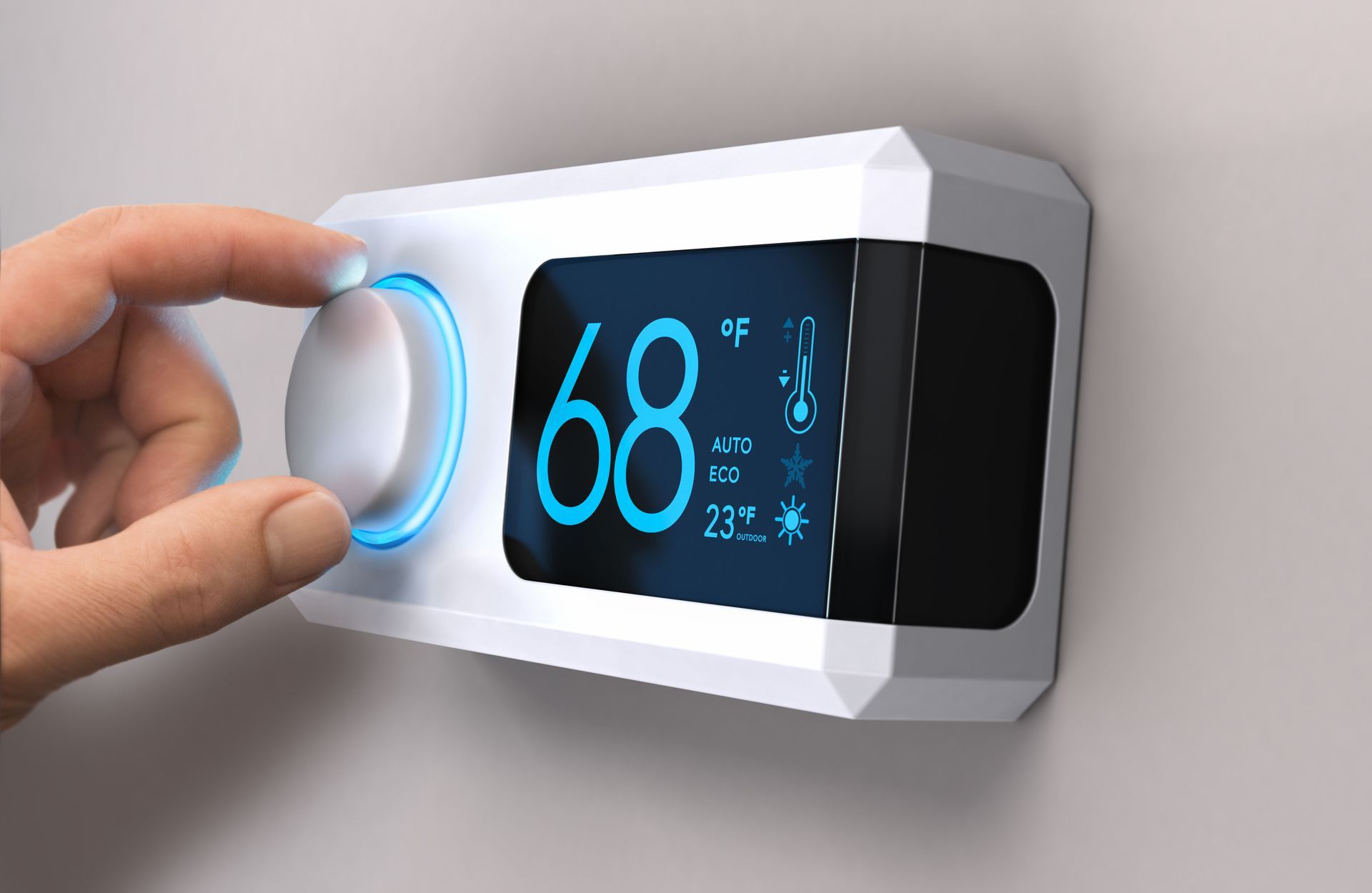
Modern heating systems rely on precise, integrated networks of electronic controls, filtration housings, and ventilation pathways to operate safely. A common error involves replacing the primary heating unit while retaining an outdated thermostat, an obsolete evaporative coil, or inadequate exhaust piping. This lack of component harmony can prevent advanced features, such as variable-speed airflow or multi-stage heating, from functioning properly.
Incompatible components can also trigger unexpected safety shutdowns or generate false error codes within the primary control board. Ensuring that the thermostat, air handler, filtration media, and ventilation lines match the technical requirements of the new unit is vital for system reliability. A synchronized system minimizes internal communication errors and ensures that every safety control operates exactly as designed by the manufacturer. Requesting a thorough furnace replacement service guarantees that all interconnected elements match seamlessly.
6. Relying on Unverified Online Tutorials for Complex Installations
The modern accessibility of online video guides and written tutorials has created a misconception that complex heating installations can be managed without professional training. Attempting to manage the alignment of gas lines, high-voltage electrical connections, and exhaust ventilation pathways without professional licensing poses severe safety risks to the household. Mishandling these elements can result in hazardous fuel leaks, electrical fires, or the accumulation of toxic carbon monoxide within the living space.
Furthermore, major manufacturers explicitly state within their warranty documentation that coverage is entirely dependent on professional installation. Attempting to bypass professional oversight invalidates these warranty protections, leaving the homeowner fully responsible for the cost of future mechanical failures. Professional technicians possess the specific calibrated instruments, diagnostic tools, and regional building code knowledge required to complete the setup safely and accurately. Investing in a qualified furnace replacement service is the only way to safeguard your manufacturer's warranty.
7. Procrastinating on Arranging Professional Installation Oversight
Achieving maximum performance from a new heating system requires specialized expertise that extends far beyond basic mechanical assembly. Professional technicians ensure that gas pressures are balanced, electrical current draws match factory specifications, and venting systems exhaust combustion byproducts safely outside the home.
Enlisting an established furnace replacement service also gives homeowners access to invaluable technical insights regarding equipment longevity and preventative maintenance schedules. Certified specialists identify subtle localized variables, such as regional humidity fluctuations or specific architectural vulnerabilities, that alter how a system should be configured. This meticulous approach ensures the heating infrastructure functions reliably through the coldest months of the year.
Partnering with a licensed professional guarantees that your installation complies fully with all localized building regulations and manufacturer safety parameters. This professional oversight provides long-term peace of mind, knowing that the structural integrity of your home and the physical safety of your family are fully protected. Investing in expert installation ensures that your equipment operates at peak efficiency from the moment it is activated.
Navigating the complexities of a major home heating upgrade requires a dedicated team that prioritizes safety, efficiency, and exceptional craftsmanship. At Mike Bryant Heating & Cooling, we are fully committed to guiding you through every stage of the selection and installation process with complete transparency. Our team conducts detailed home evaluations to ensure your new system is perfectly matched to the unique layout and thermal demands of your living space. We handle every technical detail with the utmost care, ensuring your home remains a warm, safe, and comfortable sanctuary for many years to come. Reach out to us today to schedule a comprehensive comfort consultation and experience the peace of mind that comes with true professional expertise.

Share On: