Why Smart Homeowners Are Switching to Heat Pumps
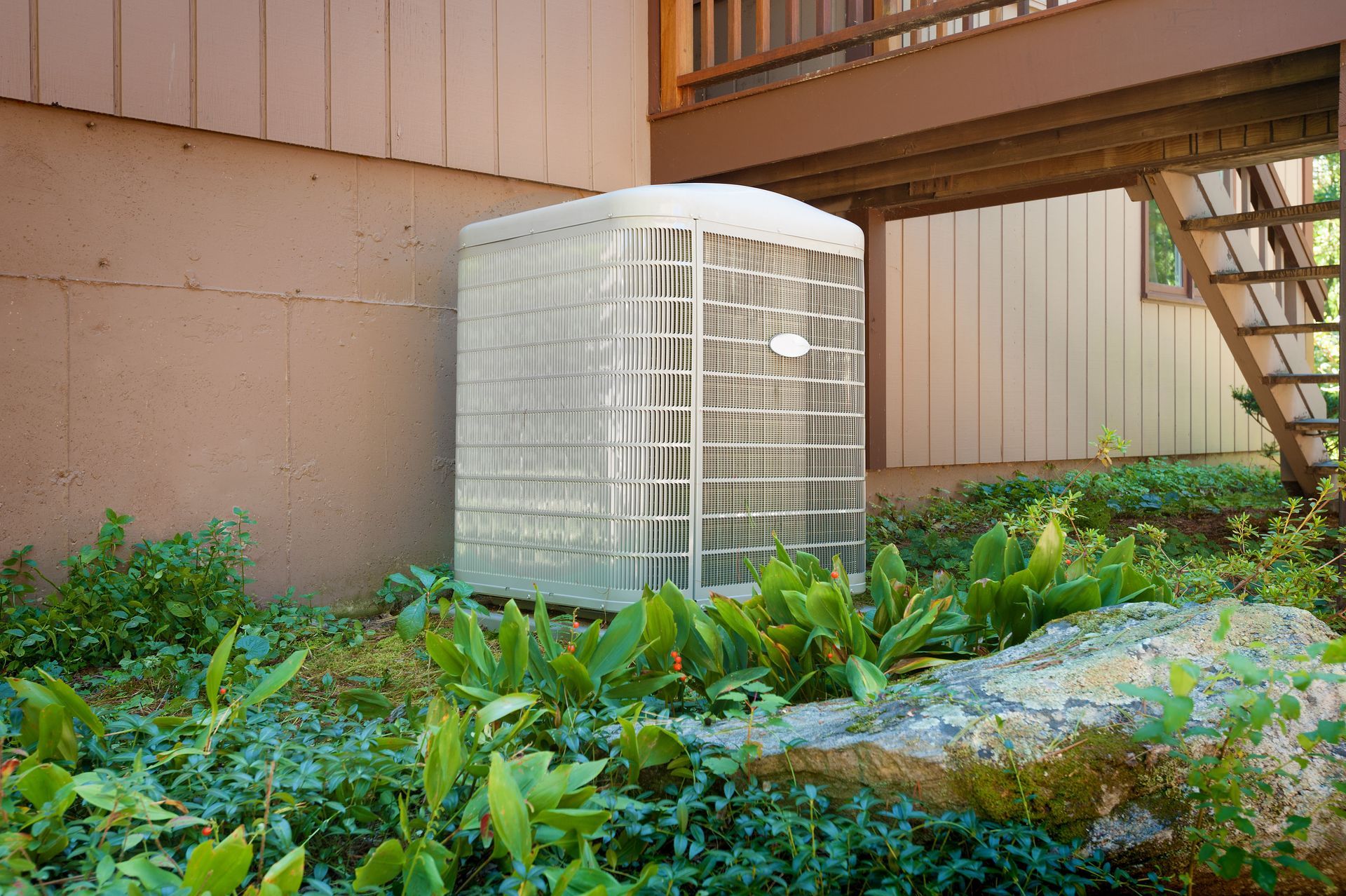
Homeowners looking to improve comfort and manage energy expenses are taking a closer look at modern heating and cooling equipment. Older systems may struggle with uneven temperatures, frequent cycling, or rising operating costs. One increasingly popular option can provide both heating and cooling through a single system. These systems transfer thermal energy rather than generating heat through conventional electric resistance, making them worth considering for many households. Understanding their advantages helps homeowners compare equipment based on comfort, efficiency, and long-term needs. A careful evaluation can also reveal whether existing ductwork, insulation, and household routines support the proposed change.
Delivering More Efficient Home Heating
Reducing Electricity Consumption
Moving heat from one location to another can require less electricity than creating heat through resistance elements. According to This Old House, heat pumps may lower electricity consumption for heating by as much as 75%. Actual savings depend on climate, equipment, and the system being replaced. Local utility prices and thermostat settings can also influence the financial outcome.
Reducing Energy Waste
Outdated equipment may operate inefficiently because of age, poor sizing, or deteriorating components. Modern systems offer controls designed to respond to changing indoor conditions. Professional evaluation helps determine whether replacement could reduce unnecessary energy use in a particular home.
Reducing Seasonal Operating Costs
Heating expenses vary with local electricity rates, weather, insulation, and household preferences. An efficient system can offer meaningful savings in suitable circumstances, although lower bills are not guaranteed. Homeowners benefit from comparing estimated operating costs before committing to equipment.
Reducing Dependence on Resistance Heating
Homes relying heavily on electric resistance heat may be candidates for improved efficiency. Modern equipment can often supply warmth using less electricity under comparable conditions. A qualified contractor can assess whether the home's electrical system and layout support an appropriate installation.
Providing Year-Round Indoor Comfort
Maintaining Comfortable Winter Temperatures
Modern systems can deliver heating across a range of outdoor temperatures. Performance varies by model and climate, so equipment selection matters. Properly matched heating capacity helps a household remain comfortable during ordinary winter conditions.
Maintaining Comfortable Summer Temperatures
The same equipment can reverse its operation to move indoor heat outside during warm weather. This cooling capability may eliminate the need for separate primary heating and cooling units. Homeowners gain a coordinated approach to seasonal comfort.
Maintaining More Consistent Room Conditions
Some modern systems adjust output to match changing indoor demand rather than repeatedly running at full capacity. This can help limit noticeable temperature swings. Professional sizing and installation remain essential for achieving consistent performance throughout occupied spaces. This is particularly important in homes with rooms that receive different amounts of sunlight.
Maintaining Convenient Climate Control
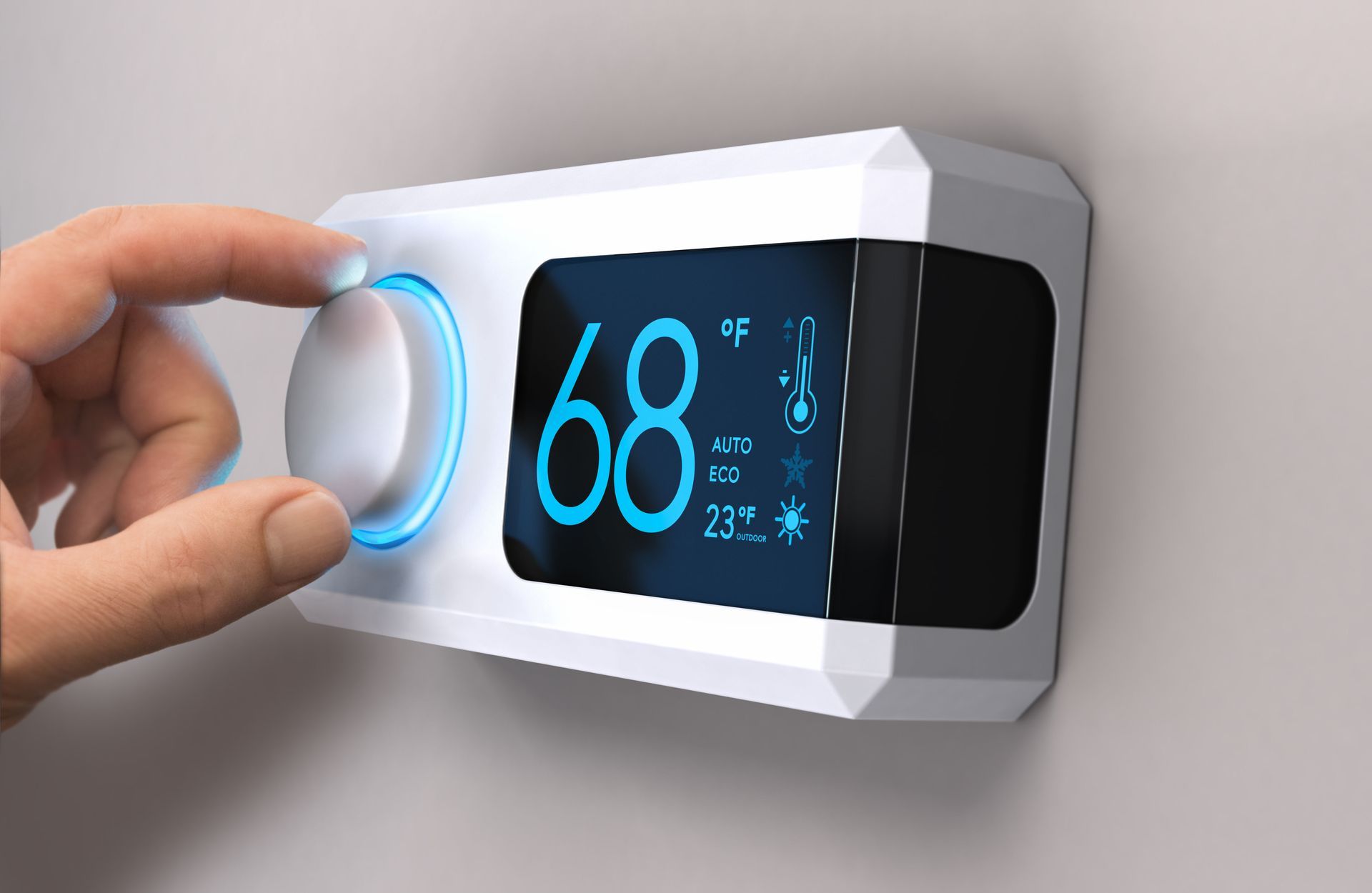
Using one integrated system for heating and cooling can simplify everyday temperature management. Depending on the equipment, homeowners may also have access to programmable or connected controls. Heat pumps offer flexibility that can fit different schedules and comfort preferences.
Supporting More Flexible Home Installations
Accommodating Existing Ductwork
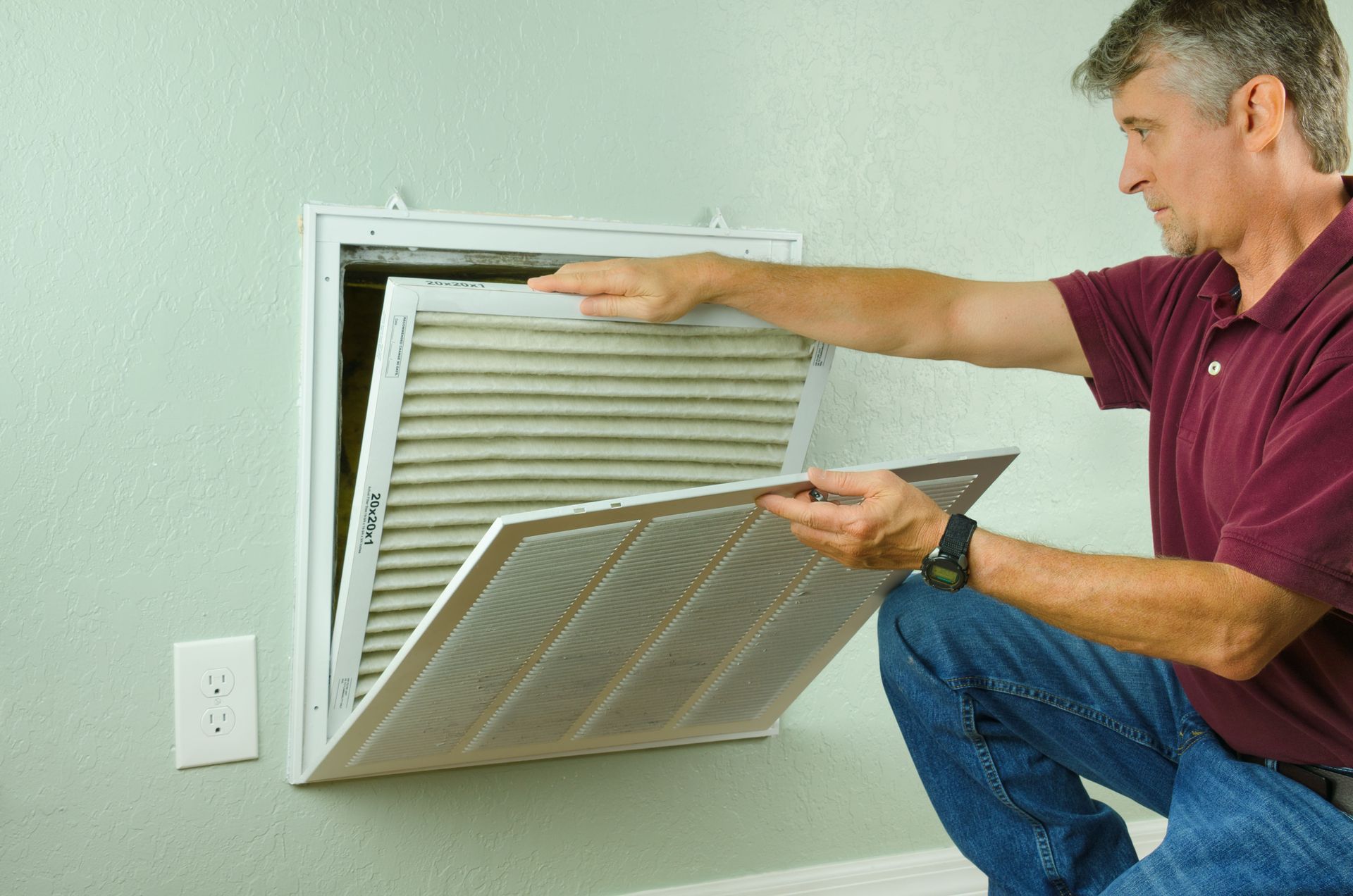
Some homes already have air distribution systems suitable for certain replacement equipment. A professional assessment can determine whether existing ducts can support the proposed system. Duct condition and airflow requirements may influence the installation plan.
Accommodating Homes Without Ductwork
Ductless configurations can provide heating and cooling without installing a traditional network of air ducts. They may suit additions, converted spaces, or older homes with limited distribution infrastructure. Equipment placement and capacity still require professional planning.
Accommodating Different Room Needs
Households sometimes need different comfort settings across living spaces. Certain configurations allow independent temperature control in designated areas. Professionals can evaluate room dimensions, occupancy, and building characteristics to recommend an appropriate arrangement.
Accommodating Future Home Changes
Renovations, room additions, and changing household needs may affect heating and cooling requirements. Selecting suitable equipment begins with understanding those plans. Professional consultations help homeowners determine whether heat pumps fit current conditions and anticipated changes.
Improving Everyday Equipment Operation
Offering Quieter Indoor Performance
Many modern systems are designed to operate with relatively low indoor noise levels. Sound depends on model, installation, and operating conditions. Homeowners who find older equipment disruptive may appreciate discussing quieter replacement options with a qualified contractor.
Offering More Responsive Temperature Control
Advanced controls can help certain systems respond gradually to changing indoor demand. Instead of large temperature swings, properly configured equipment may deliver steadier comfort. Actual results depend on equipment features and installation quality.
Offering Integrated Cooling Capability
A single system that handles two seasonal functions can simplify equipment planning. Homeowners can discuss heating and cooling performance together rather than evaluating unrelated systems. Professional guidance helps ensure both functions meet the property's requirements.
Offering More Convenient Maintenance Planning
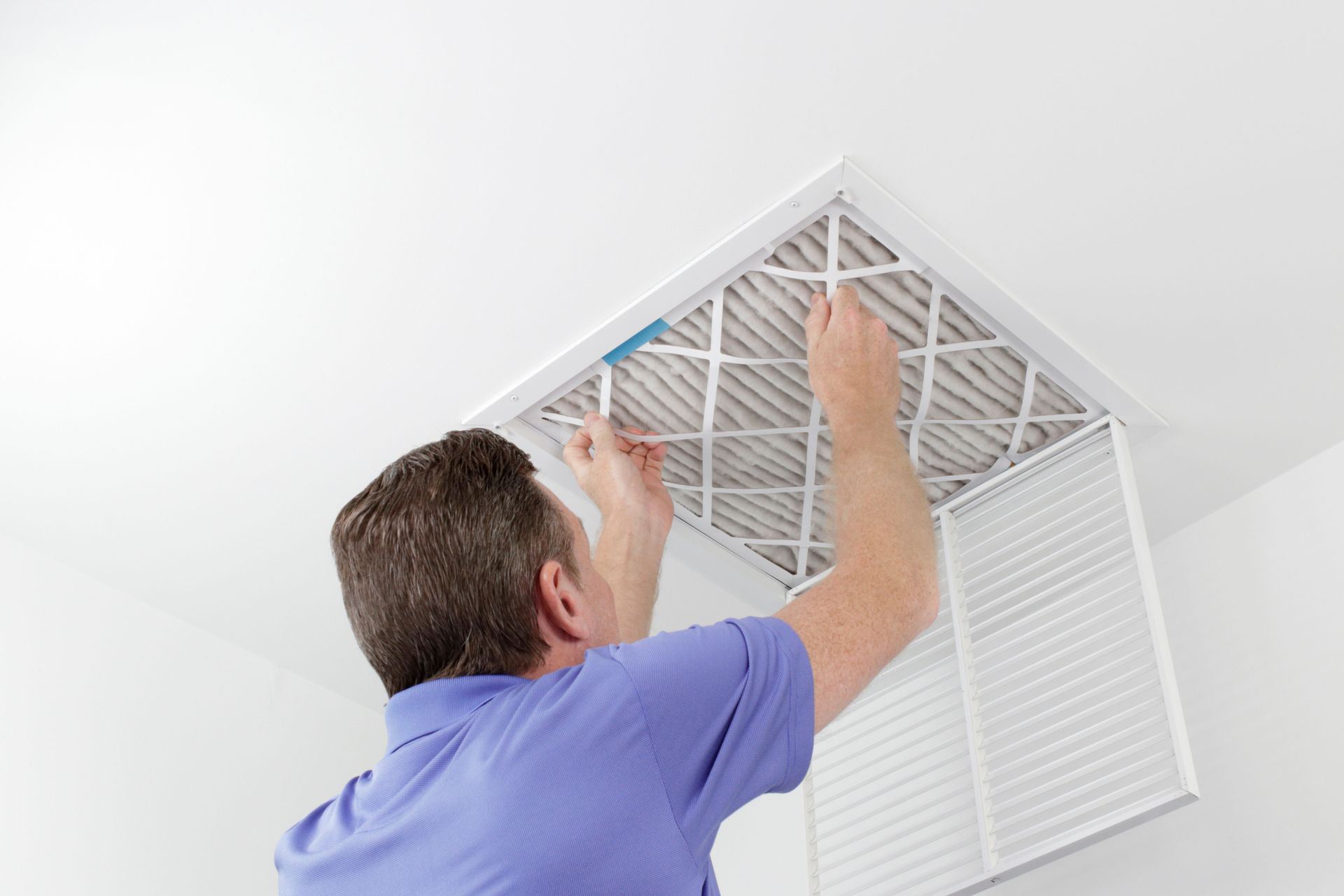
Regular inspections and manufacturer-recommended maintenance remain important for dependable operation. Heat pumps have components that need professional attention in both heating and cooling seasons. A coordinated maintenance plan helps owners understand service requirements and identify developing issues. It also provides opportunities to discuss changes in performance before seasonal demand increases.
Supporting Long-Term Household Planning
Considering Equipment Replacement Timing
Frequent repairs, declining comfort, and equipment age may prompt homeowners to explore replacement options. Waiting for a complete breakdown can limit decision-making time. An early consultation allows households to compare suitable systems without unnecessary urgency.
Considering Total Ownership Expenses
Purchase and installation costs are only part of a heating and cooling investment. Energy use, maintenance, repairs, and expected service life also matter. A professional estimate can help homeowners compare overall value rather than focusing exclusively on initial price.
Considering Available Efficiency Incentives
Utility programs and government incentives may reduce the cost of qualifying equipment in some locations. Eligibility rules, funding, and deadlines change, so homeowners should verify current requirements. Contractors can help identify equipment specifications relevant to available programs.
Considering Property Comfort Goals
Some households prioritize lower energy use, while others value quieter operation or improved temperature consistency. Heat pumps can address several goals, but no single configuration suits every home. Comparing priorities helps narrow the range of appropriate choices.
Encouraging More Informed Equipment Decisions
Evaluating Local Climate Conditions
Outdoor temperatures affect system capacity and efficiency. Certain cold-climate models are designed to perform well in lower temperatures, while other installations may require supplemental heating. A contractor can explain what performance to expect in the local climate.
Evaluating Home Insulation Quality
Insulation levels, window performance, and air leakage influence heating and cooling demand. Equipment works within the conditions of the building it serves. A professional assessment helps determine whether existing characteristics affect system sizing or expected comfort.
Evaluating Appropriate Equipment Capacity
Oversized or undersized equipment can cause comfort and efficiency problems. Professional load calculations account for more than square footage alone. Proper sizing helps heat pumps operate as intended under typical household conditions.
Evaluating Professional Installation Options
Installation quality affects airflow, refrigerant performance, controls, and overall system reliability. Qualified professionals can explain equipment choices and the work required for a particular property. This guidance supports informed decisions before homeowners commit to a major upgrade.
Modern heating and cooling decisions involve comfort, efficiency, installation requirements, and long-term costs. The appeal of heat pumps comes from their ability to provide both seasonal functions while offering strong efficiency potential in suitable homes. Professional guidance helps homeowners evaluate realistic performance rather than relying on generalized promises.
Considering a heating and cooling upgrade? Contact Mike Bryant Heating & Cooling LLC today to discuss heat pumps and available equipment options. Our team can evaluate your home's needs, explain appropriate solutions, and help you choose a system that supports dependable comfort throughout the year.

Share On: