
The Best Time to Schedule Your Heat Pump Service
In this article, we will explore the optimal times of year to schedule heat pump service. Understanding the best times for service can enhance efficiency, increase the lifespan of your unit, and ensure uninterrupted comfort in your home. We'll provide insights into seasonal services, potential cost savings, and expert recommendations.
Basics of Heat Pump Functionality
Heat pumps operate by transferring heat from one place to another. Unlike traditional heating systems that generate heat by burning fuel, heat pumps employ refrigerant cycles to move heat. During the winter, heat pumps extract heat from outdoor air (or even the ground) and release it inside. In summer, the process reverses, cooling your home by expelling indoor heat to the outside. This dual functionality is what makes heat pumps versatile and energy-efficient devices.
The energy efficiency of a heat pump results from its unique operational mechanism. By transferring rather than generating heat, they can provide the same comfort as traditional systems with less energy consumption. This is why heat pumps are often chosen in areas with moderate heating and cooling needs. Despite their apparent simplicity, heat pump functionality relies heavily on the system's ability to maintain optimal efficiency through regular maintenance and cleaning. Ensuring all components function properly is crucial for maintaining this high efficiency.
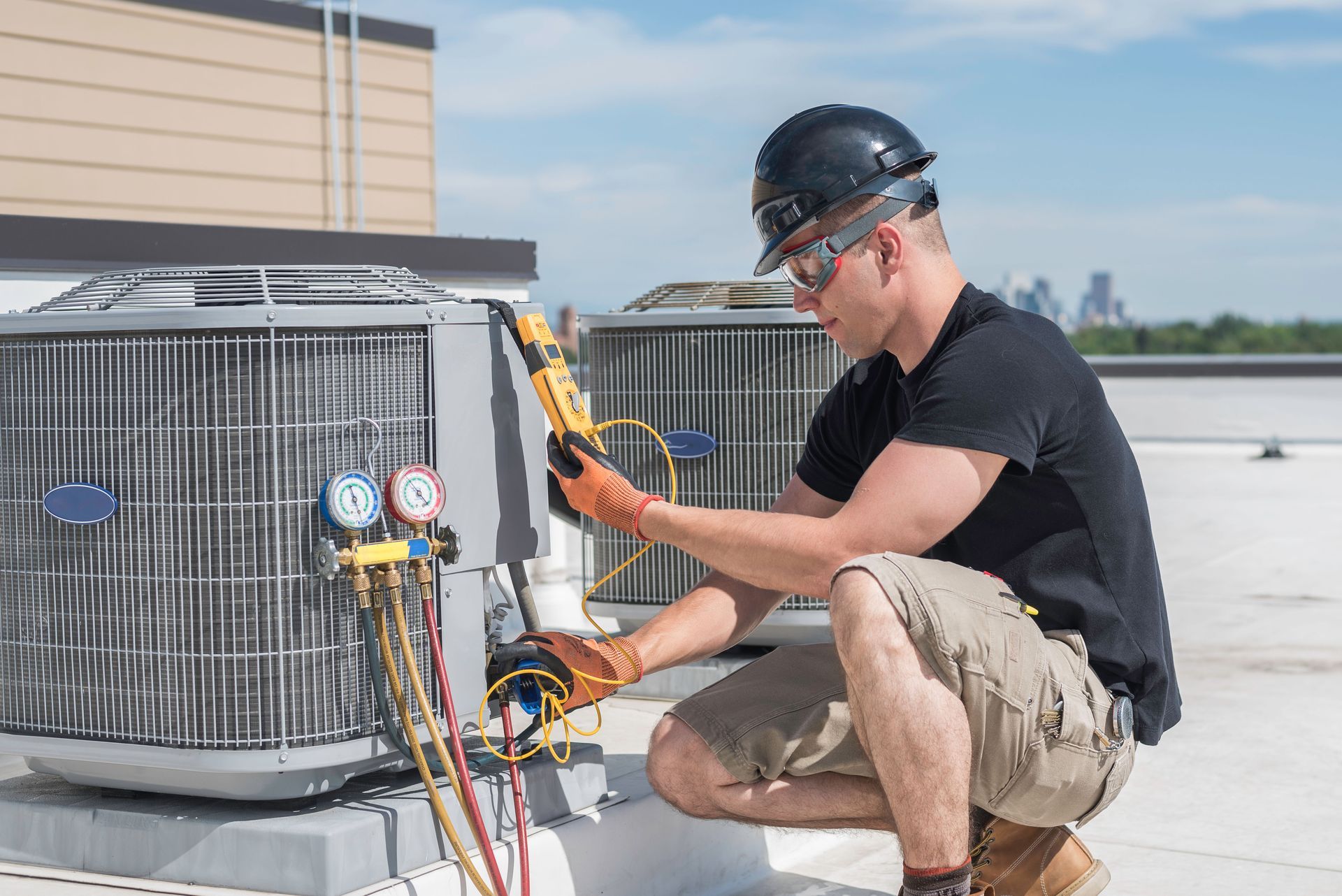
Regular maintenance ensures the heat pump's components, such as the compressor and refrigerant coils, work efficiently. Neglecting these elements can compromise the pump's ability to heat and cool effectively. Furthermore, routine check-ups can prevent small issues from escalating into costly repairs. The efficiency level of modern heat pumps can mirror today's advanced heating systems. According to the Department of Energy, while older furnace and boiler systems typically operated at 56% to 70% efficiency, today’s conventional heating systems can reach up to 98.5% efficiency, showing how quickly the designs have evolved to be more resource-efficient.
Advantages of Spring Service
Scheduling heat pump maintenance in the spring comes with several benefits. As the heating cycle comes to an end, servicing your heat pump ensures that it's clean and prepared for the months of reduced use. A spring service can address any wear and tear that occurred over the winter, allowing you to mitigate issues before they become serious. The prevention of such problems can ultimately lead to lower costs and fewer replacements. Additionally, spring maintenance guarantees that your system is ready to efficiently transition to cooling during the summer months.
Spring is also a strategic time for homeowners who wish to avoid peak demand service periods. During this season, HVAC professionals typically have more availability, allowing appointments to be scheduled at your convenience. This increased availability can also mean reduced service costs, as companies often lower their prices during times of low demand. By choosing spring for your heat pump service, you can take advantage of such discounts and receive more personalized service. Overall, spring maintenance provides thorough attention without the pressure of seasonal urgencies.
Furthermore, a spring service aligns with the natural cycle of seasonal cleaning. During this time, many homeowners engage in spring cleaning and maintenance activities. Having your heat pump serviced fits seamlessly into this routine and can be combined with other home care tasks. Transitioning your system from heating to cooling mode with professional assistance ensures it operates optimally when temperatures rise. Ultimately, spring service poses an ideal opportunity to maintain your system, save on costs, and prepare your home for summer comfort.
Benefits of Fall Tune-Ups
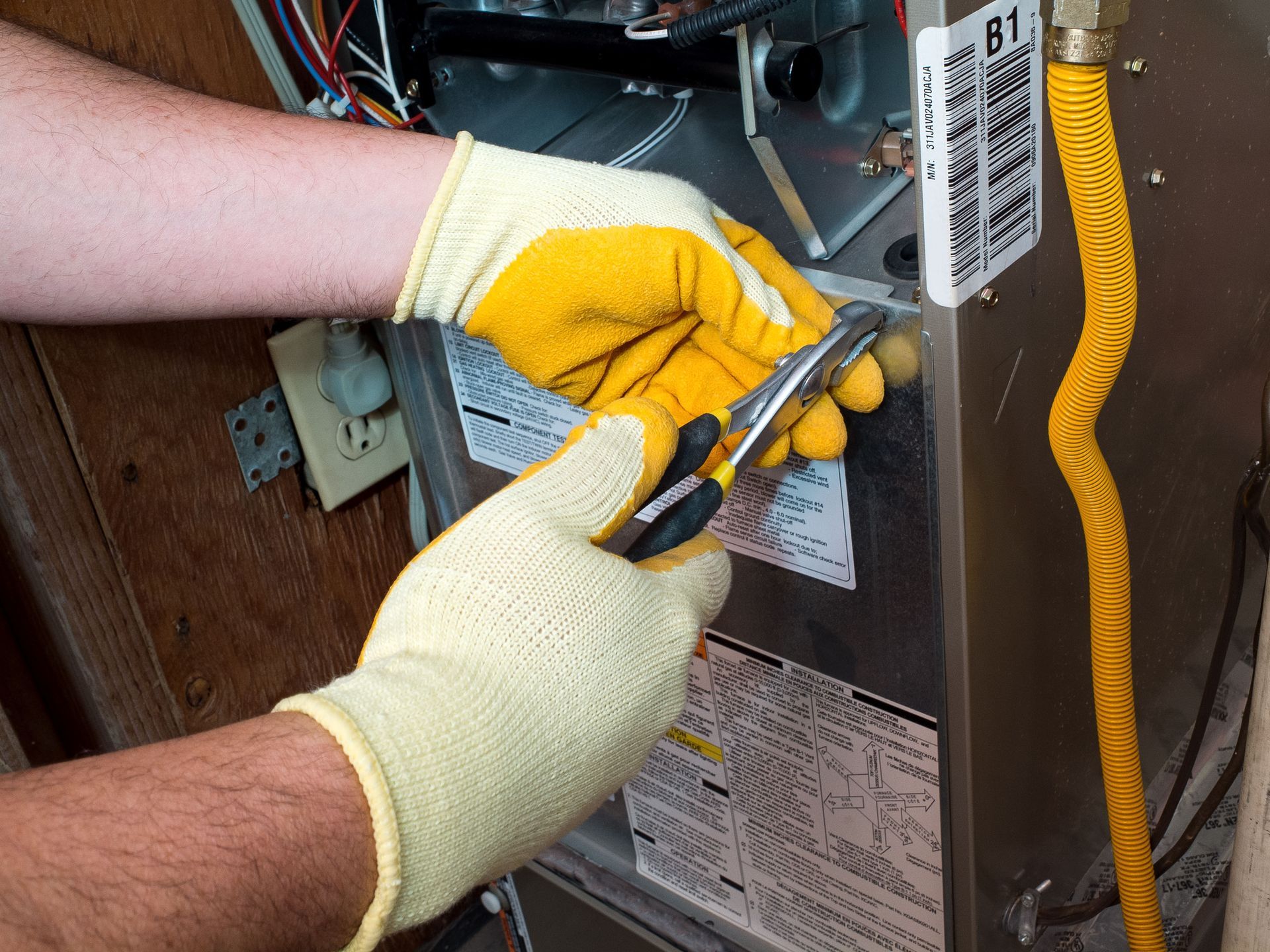
Alternatively, fall is another excellent time to consider heat pump maintenance. As summer comes to an end and temperatures begin to dip, fall service ensures that your heat pump is ready to efficiently heat your home throughout winter. During a fall tune-up, a technician can inspect crucial components for wear or damage that might have developed during heavy cooling use. Addressing these issues before the colder season can prevent unexpected breakdowns and ensure efficient operation.
Like spring, fall also provides a buffer before the busiest HVAC service period hits. Early fall services can be scheduled more flexibly, offering convenience for those with busy schedules. Many HVAC companies offer promotional packages in the fall, making it a cost-effective time for routine maintenance. This preventive approach not only enhances system efficiency but also extends the lifespan of your heat pump. Being proactive about maintenance during the fall can lead to substantial heating bill savings during the colder months.
The transition season from cooling to heating provides opportunities to test your system's performance. In many regions, temperatures during fall can vary, allowing homeowners to observe potential inefficiencies. This makes fall an optimal time to identify and rectify issues, ensuring continuous comfort in the colder months. By keeping your heat pump’s performance in check, you secure a comfortable and worry-free winter. Therefore, fall maintenance is an essential component of a comprehensive home heating strategy.
Local Climate Impacts
When scheduling heat pump service, local climate considerations play a significant role. Different climates can impact the wear and tear on your heat pump system, necessitating varying maintenance schedules. In regions with harsh winters, it's crucial to ensure your heat pump is in top condition as the cold season approaches. Similarly, areas experiencing scorching summers require that their heat pumps are well-maintained to handle heavy cooling demands. Understanding regional climate patterns is essential in planning maintenance that aligns with your unit’s operational demands.
Homeowners in temperate climates, where both heating and cooling are moderately required, can often take advantage of dual seasonal services in spring and fall. This ensures that the heat pump is prepared to handle both the rising and falling demands associated with seasonal transitions. Conversely, regions that experience extreme weather may require more frequent check-ups to avoid system strain and unexpected failures. Evaluating your local climate trends can help tailor maintenance schedules to meet your specific needs. Consequently, climate-focused planning enhances system reliability and efficiency.
Manufacturer's Recommendations
Manufacturer's guidelines are a valuable resource for scheduling heat pump service. These recommendations are based on extensive testing and are designed to optimize the efficiency and longevity of your system. Adhering to the manufacturer's maintenance schedule can prevent voiding warranties and ensure that your heat pump operates within specified parameters. Regular servicing as per these guidelines also supports maintaining eligibility for warranty conditions and incentivized programs that your unit might be part of. Following the manufacturer's timing ensures that your heat pump remains efficient and within its performance warranty range.
Manufacturer instructions typically include detailed schedules for inspecting, cleaning, and replacing vital components of your heat pump. These guidelines often suggest biannual check-ups that align with seasonal changes—spring and fall being the most common in temperate climates. Such regular checks can preemptively address common maintenance issues, potentially avoiding costly emergency repairs. By respecting the manufacturer's guidance, homeowners can ensure that their heat pump remains an asset rather than a liability. Indeed, adherence to these recommendations is a cornerstone of responsible heat pump ownership.
Prep Your Home for Heat Pump Service
Preparing your home for heat pump service is crucial to ensure a smooth, efficient maintenance process. Begin by performing a pre-service inspection yourself to assess any immediate issues that your technician should be aware of, such as unusual noises, leaks, or a decline in heating or cooling efficiency. Noting these issues ahead of the service visit allows your technician to focus on specific areas, potentially saving time and leading to a more effective service. Observing your unit’s performance over time and documenting changes can be helpful during your service consultation.
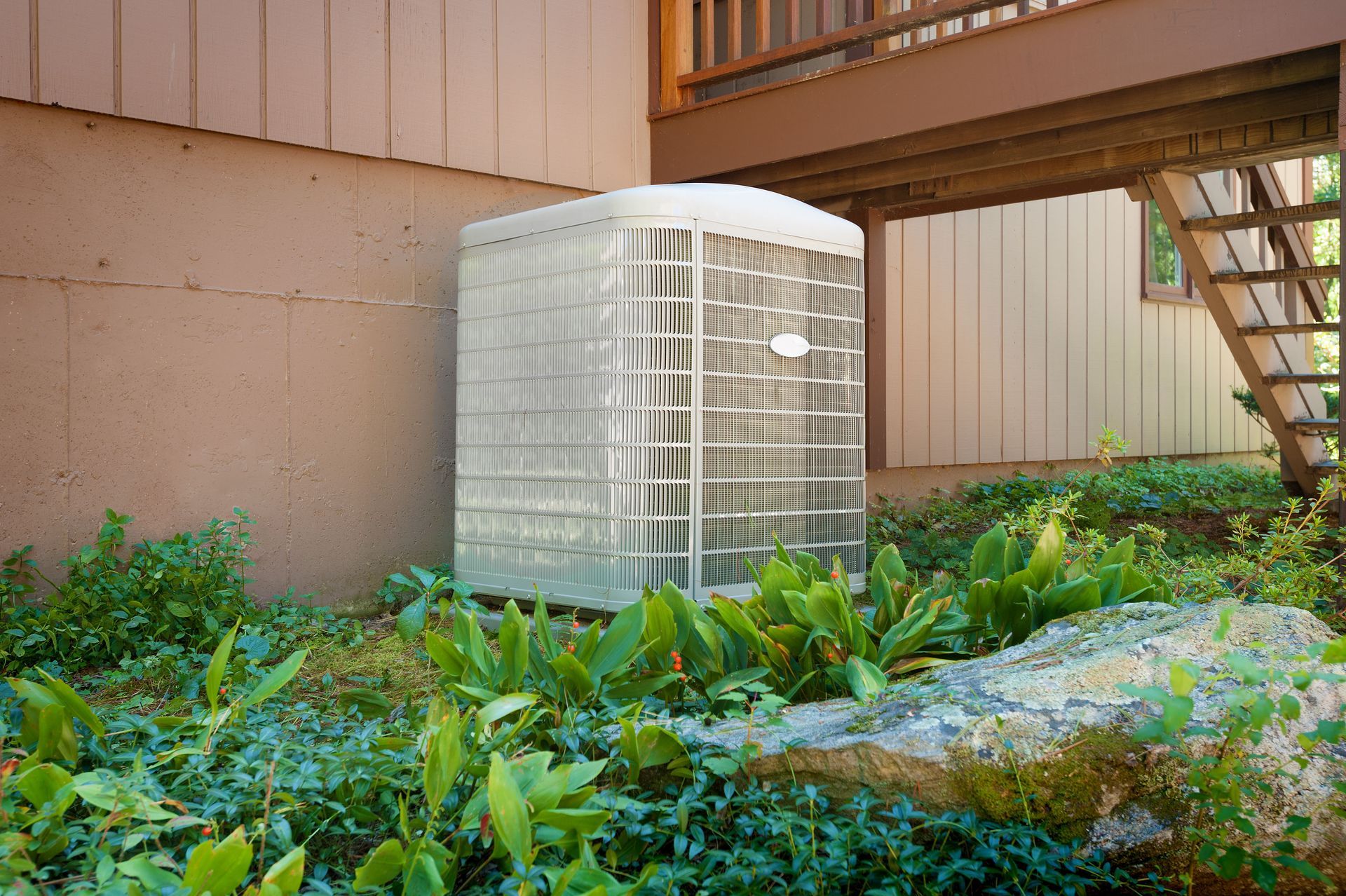
Additionally, ensure easy access to the heat pump by clearing the surrounding area of obstructions. This straightforward step allows technicians to work more efficiently and avoid any unnecessary delays during inspections and repairs. Remove any flammable materials, bushes, furniture, or debris that may have accumulated around the outdoor unit. Clearing these barriers not only aids professionals but also keeps your system safe and compliant with recommended safety guidelines, preventing potential hazards.
By thoughtfully scheduling your heat pump service during the optimal times and being informed about the factors that influence maintenance, you can ensure your system runs efficiently and reliably. Through careful planning and selection of qualified professionals, homeowners can enjoy comfort, lower costs, and peace of mind throughout the year. To get your heat pump maintenance scheduled, reach out to the pros at Mike Bryant Cooling & Heating today.
Share On: