Why HVAC System Maintenance Matters
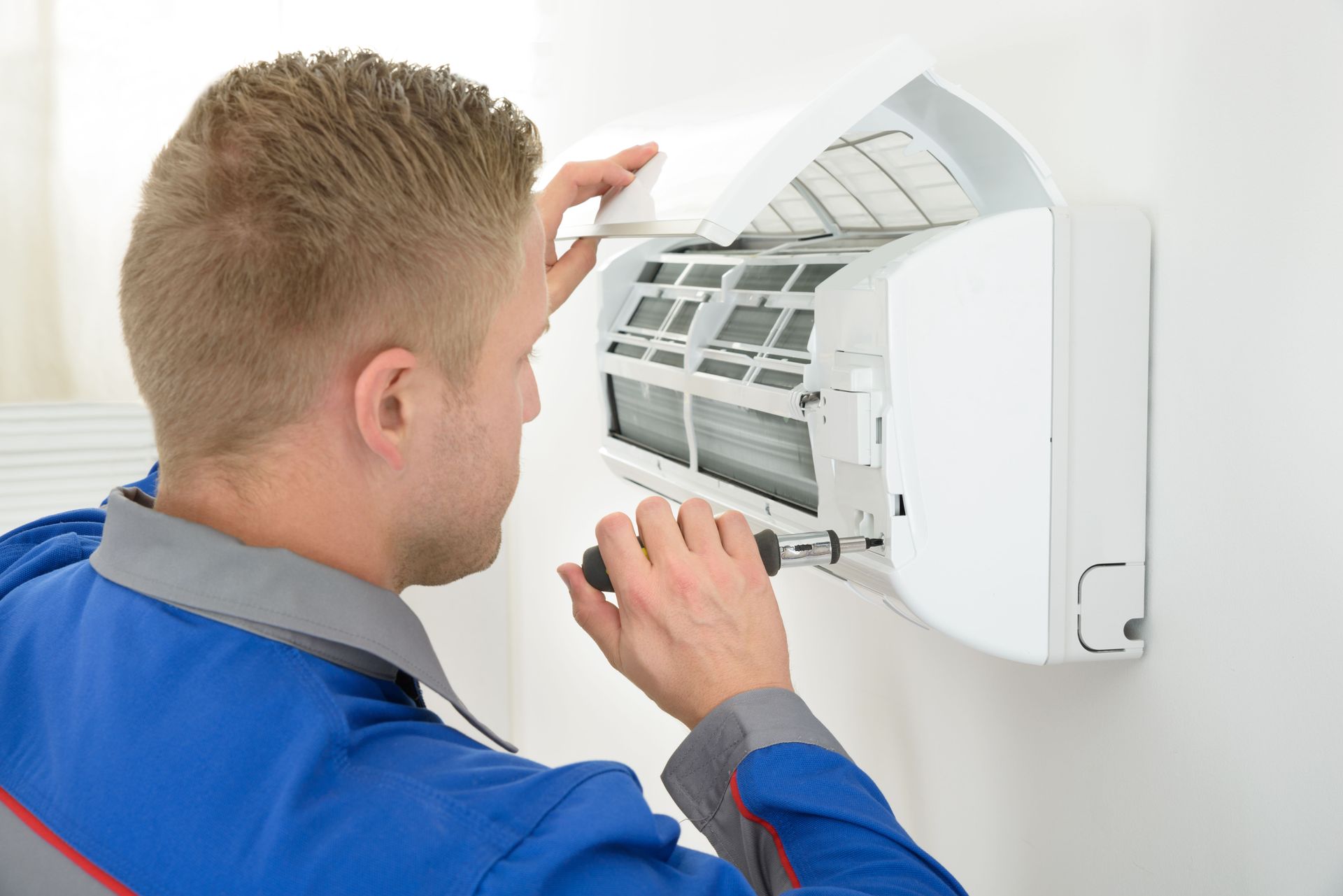
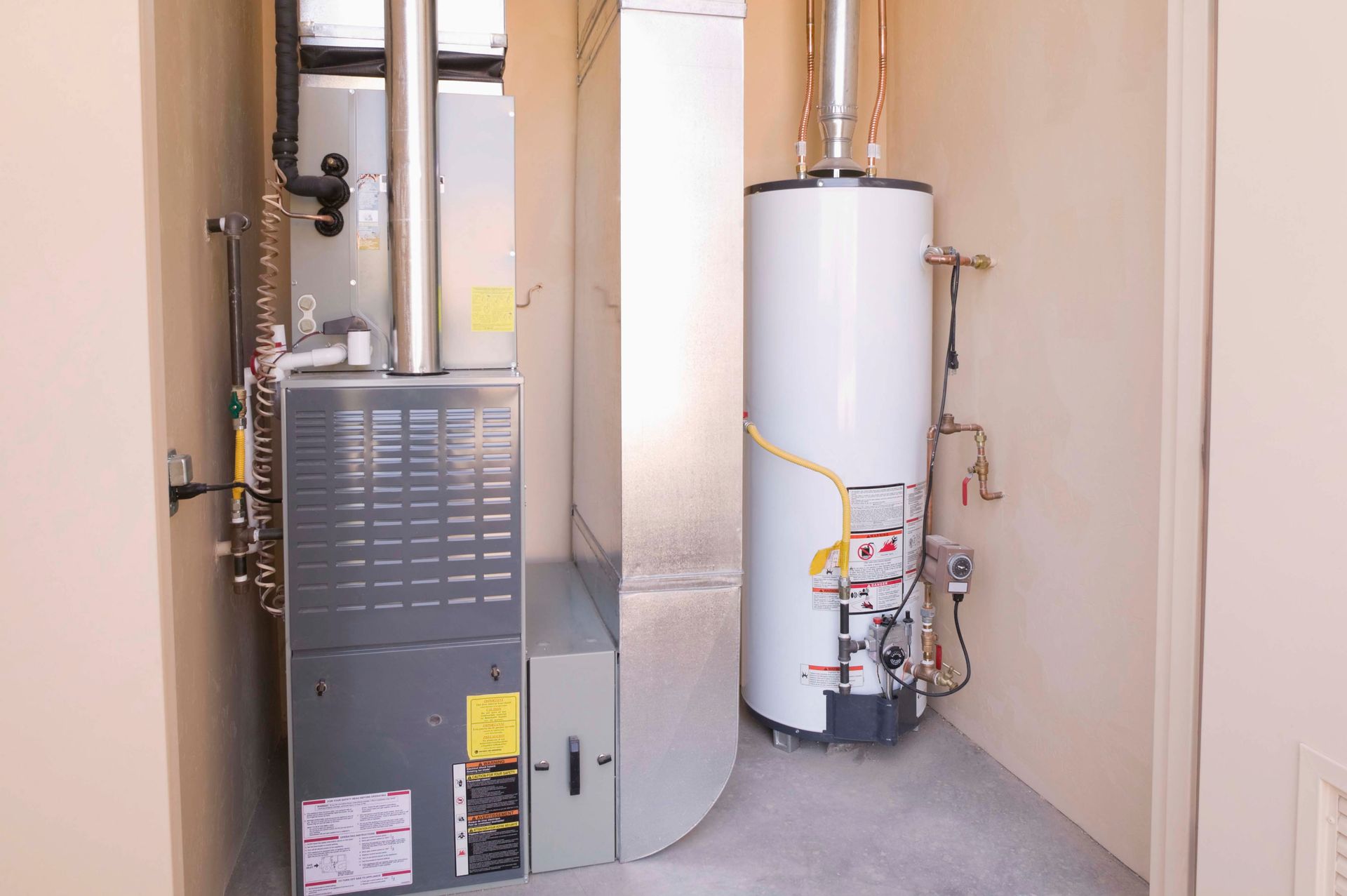
Maintaining a comfortable indoor environment depends heavily on the reliability of your HVAC system. Whether you are managing a home or a commercial space, consistent upkeep plays a major role in ensuring everything runs smoothly. HVAC systems work hard year-round, handling both heating and cooling demands, which makes regular care essential rather than optional. Prioritizing AC maintenance and overall system upkeep helps prevent unexpected disruptions, improves efficiency, and supports healthier indoor air quality.
Improving Overall Energy Efficiency
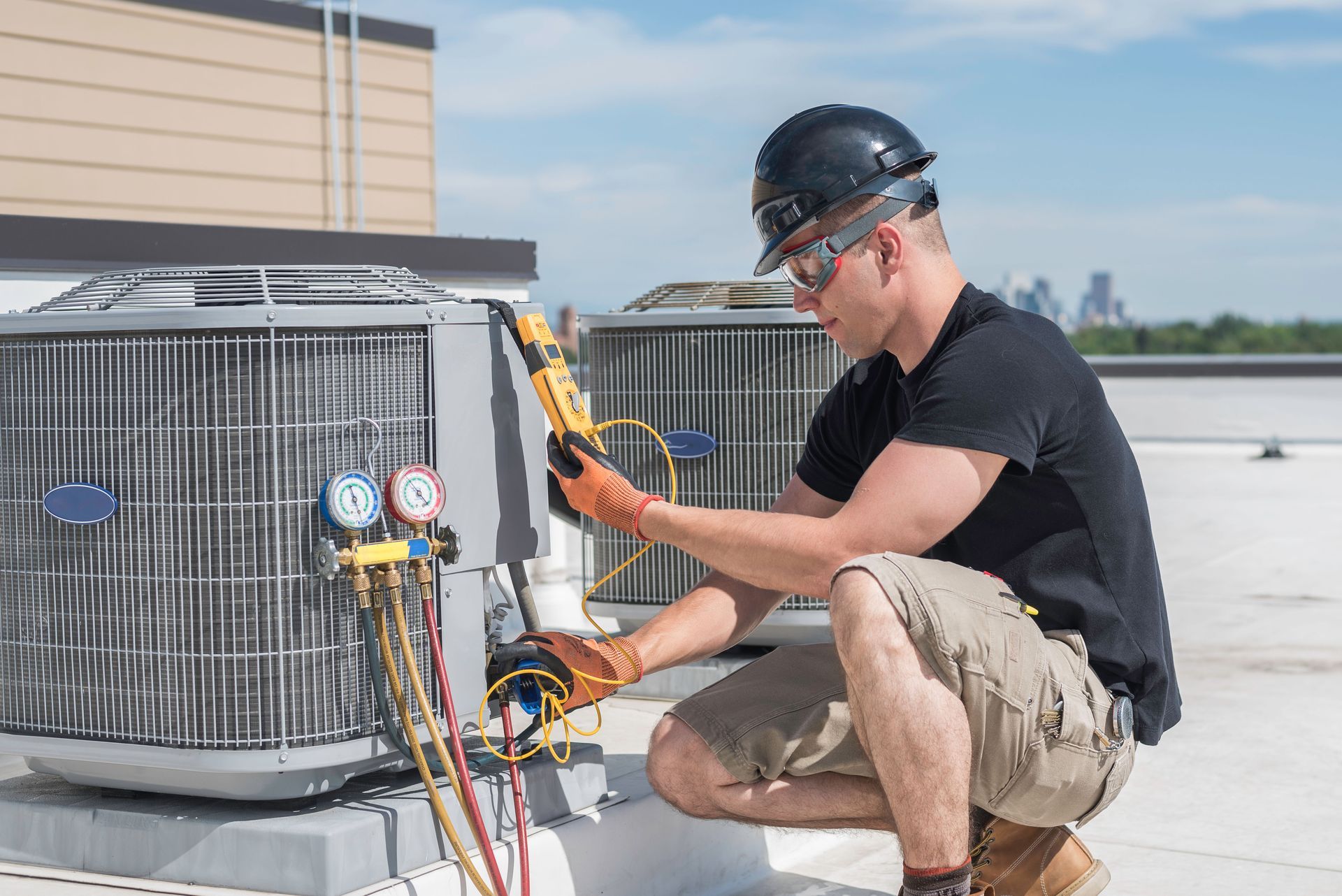
Keeping your HVAC system operating efficiently starts with regular inspections and adjustments. Over time, components can become dirty or misaligned, causing the system to work harder than necessary. This increased effort leads to higher energy consumption and unnecessary strain on the equipment. Through consistent AC maintenance, technicians can identify inefficiencies and correct them before they worsen.
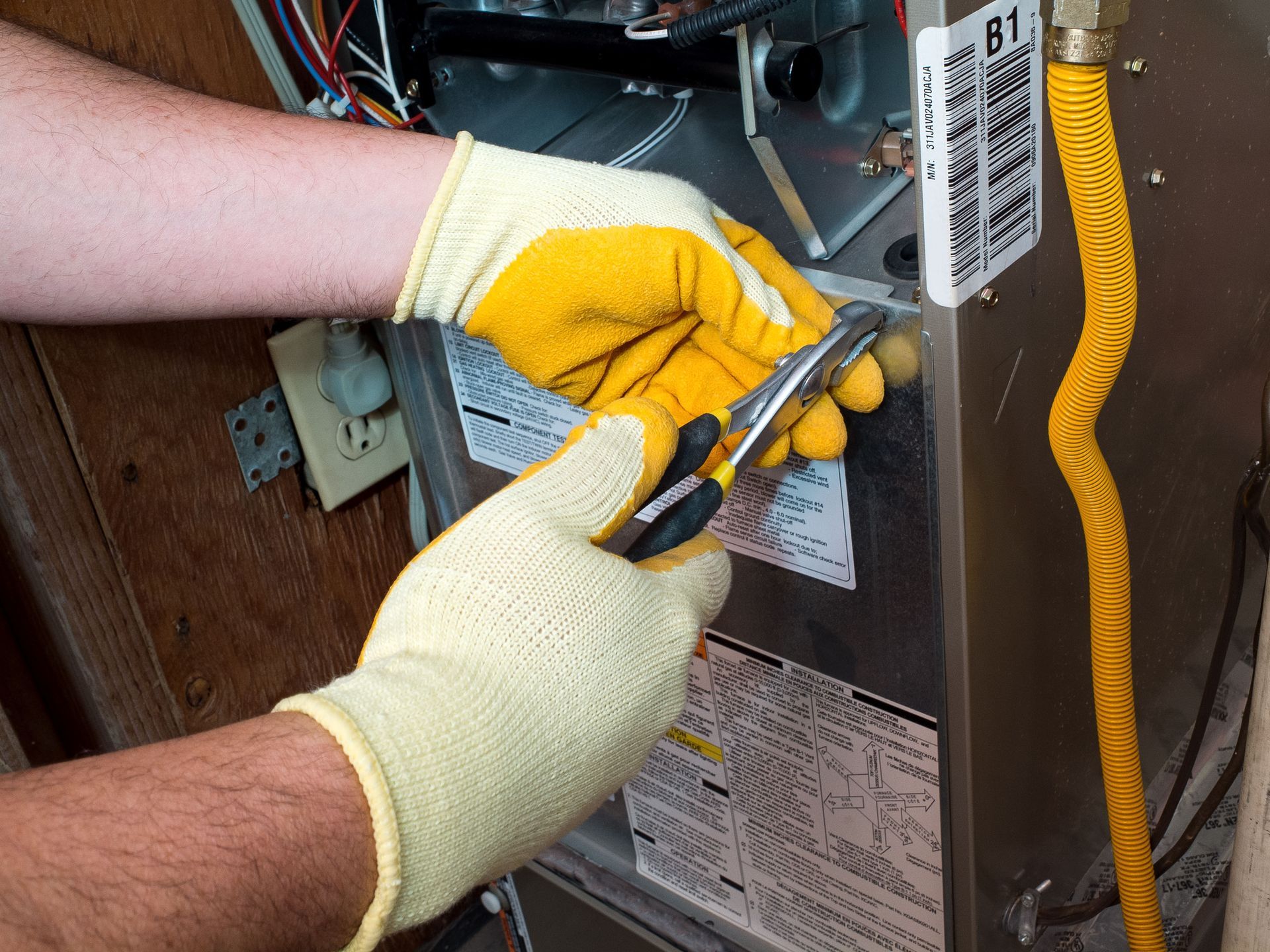
Small improvements, such as tightening connections or clearing debris, can have a noticeable impact on how efficiently your system performs. When everything is functioning as it should, less energy is required to maintain a comfortable temperature. This not only lowers utility bills but also reduces your environmental footprint. Efficiency is one of the most immediate and measurable benefits of regular maintenance, making it a key reason why HVAC care matters so much.
Maintaining Clean and Functional Components
A well-maintained HVAC system relies on clean and properly functioning parts. Dust, dirt, and debris naturally accumulate within the system over time, especially in filters and coils. Without routine cleaning, these contaminants restrict airflow and force the system to compensate by working harder. This is where AC maintenance becomes especially valuable, as it ensures all components are kept in optimal condition.
Replacing worn-out parts is equally important. Components that are nearing the end of their lifespan can reduce efficiency and increase the likelihood of breakdowns. By addressing these issues early, you maintain consistent system performance and avoid unnecessary wear. Clean and functional components allow the system to operate smoothly, which directly contributes to both comfort and cost savings.
Optimizing System Calibration
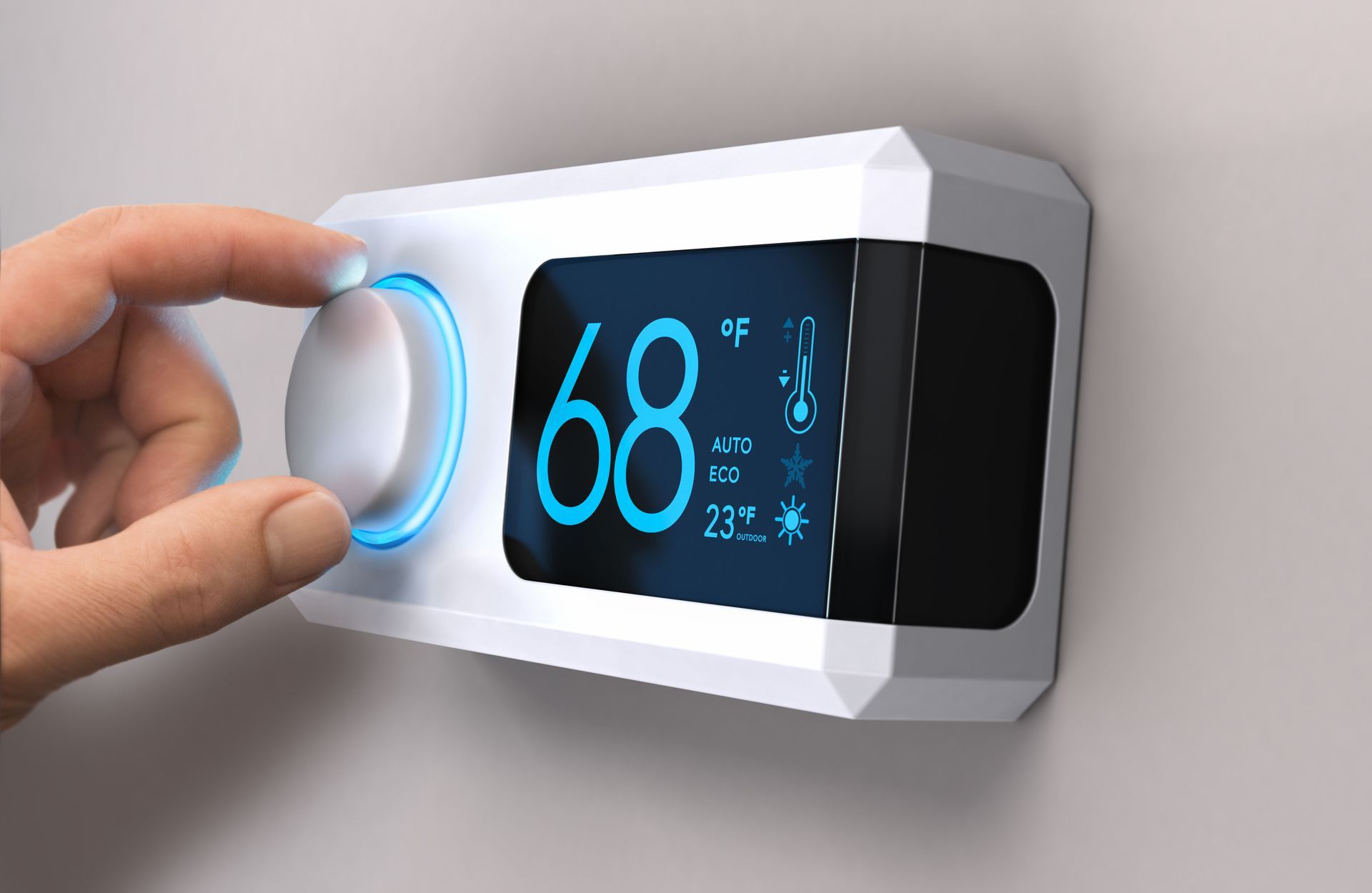
Accurate calibration plays a crucial role in how effectively your HVAC system regulates temperature. When thermostats or internal controls are not properly calibrated, the system may cycle too frequently or run longer than needed. This inconsistency leads to wasted energy and uneven indoor temperatures.
Routine AC maintenance includes checking and adjusting these settings to ensure precision. When calibration is correct, the system responds appropriately to temperature changes, maintaining comfort without overworking itself. This level of control not only enhances efficiency but also prevents unnecessary strain on critical components. Proper calibration is a subtle yet essential aspect of maintaining a dependable HVAC system.
Extending Equipment Lifespan
One of the most compelling reasons to prioritize maintenance is the impact it has on the longevity of your HVAC system. Like any mechanical equipment, HVAC systems experience wear and tear over time. However, regular care significantly slows this process by addressing minor issues before they escalate.
Through consistent AC maintenance, technicians can detect early signs of damage or deterioration. Fixing these problems promptly prevents them from developing into major failures that could shorten the system’s lifespan. A well-maintained system can last years longer than one that is neglected, making maintenance a cost-effective strategy in the long run. Extending the life of your equipment means fewer replacements and more value.
Reducing Mechanical Wear Through Lubrication
Many HVAC components rely on continuous movement to function properly. Motors, fans, and other moving parts generate friction as they operate, which can lead to wear if not properly managed. Lubrication is essential in minimizing this friction and protecting these components from damage.
During routine AC maintenance, technicians ensure that all moving parts are adequately lubricated. This simple yet important step helps prevent overheating and reduces the likelihood of mechanical failure. By keeping these components running smoothly, lubrication supports both efficiency and durability. Reducing wear through proper care is another clear example of why maintenance matters for long-term system health.
Preventing Overheating and System Failures
Overheating is one of the most common causes of HVAC system breakdowns. When airflow is restricted or components are not functioning correctly, the system can become excessively hot. This not only affects performance but can also lead to serious damage if left unaddressed.
Regular inspections as part of AC maintenance help identify conditions that could lead to overheating. Technicians check for blockages, ensure proper airflow, and verify that cooling elements are working as intended. By addressing these factors early, you reduce the risk of sudden system failures and costly repairs. Preventing overheating is essential for maintaining both safety and reliability.
Enhancing Indoor Air Quality
The air quality indoors has a direct impact on health and comfort, and your HVAC system plays a central role in maintaining it. Over time, pollutants such as dust, pollen, and allergens can accumulate within the system and circulate throughout your space. Without proper maintenance, these contaminants can compromise air quality.
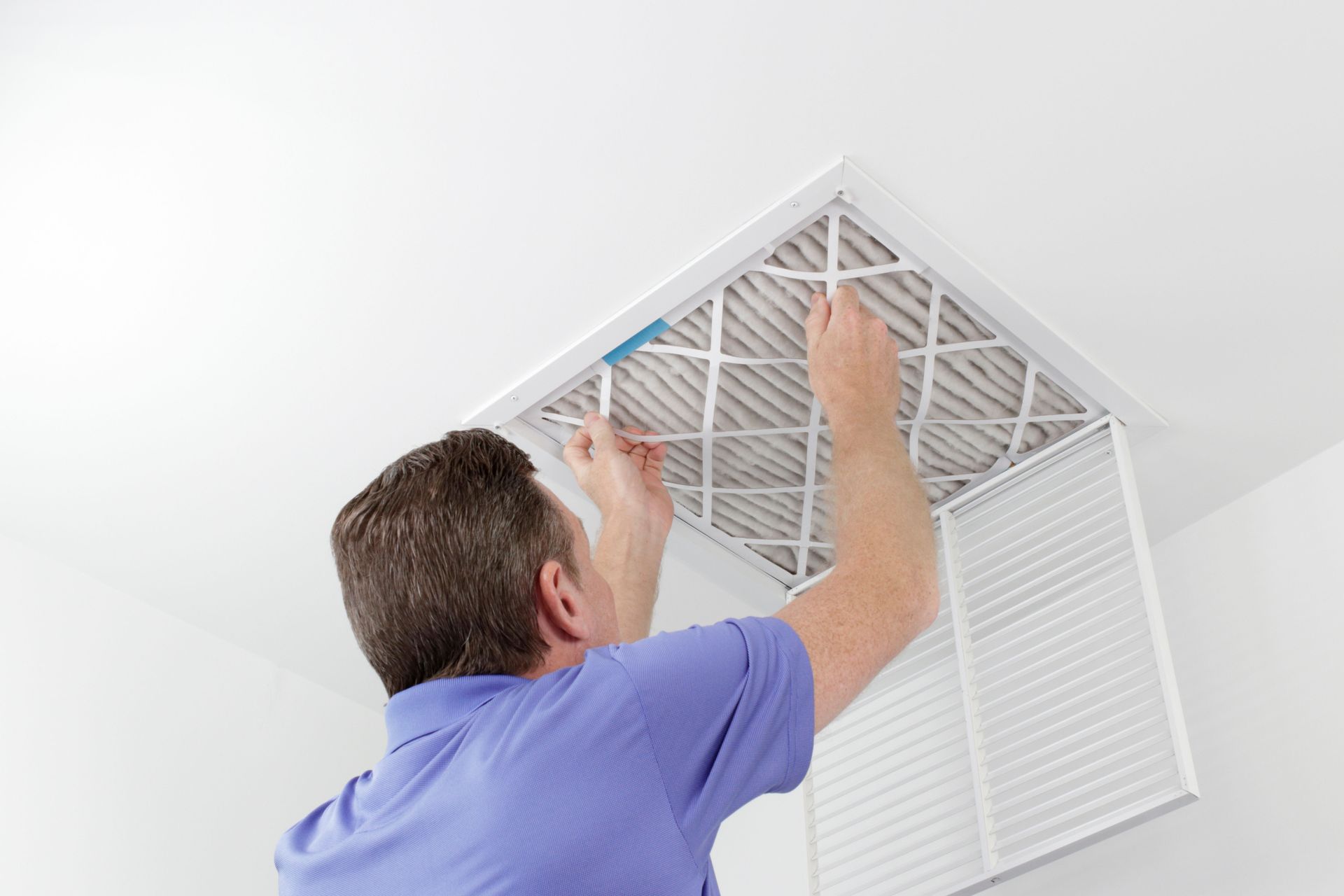
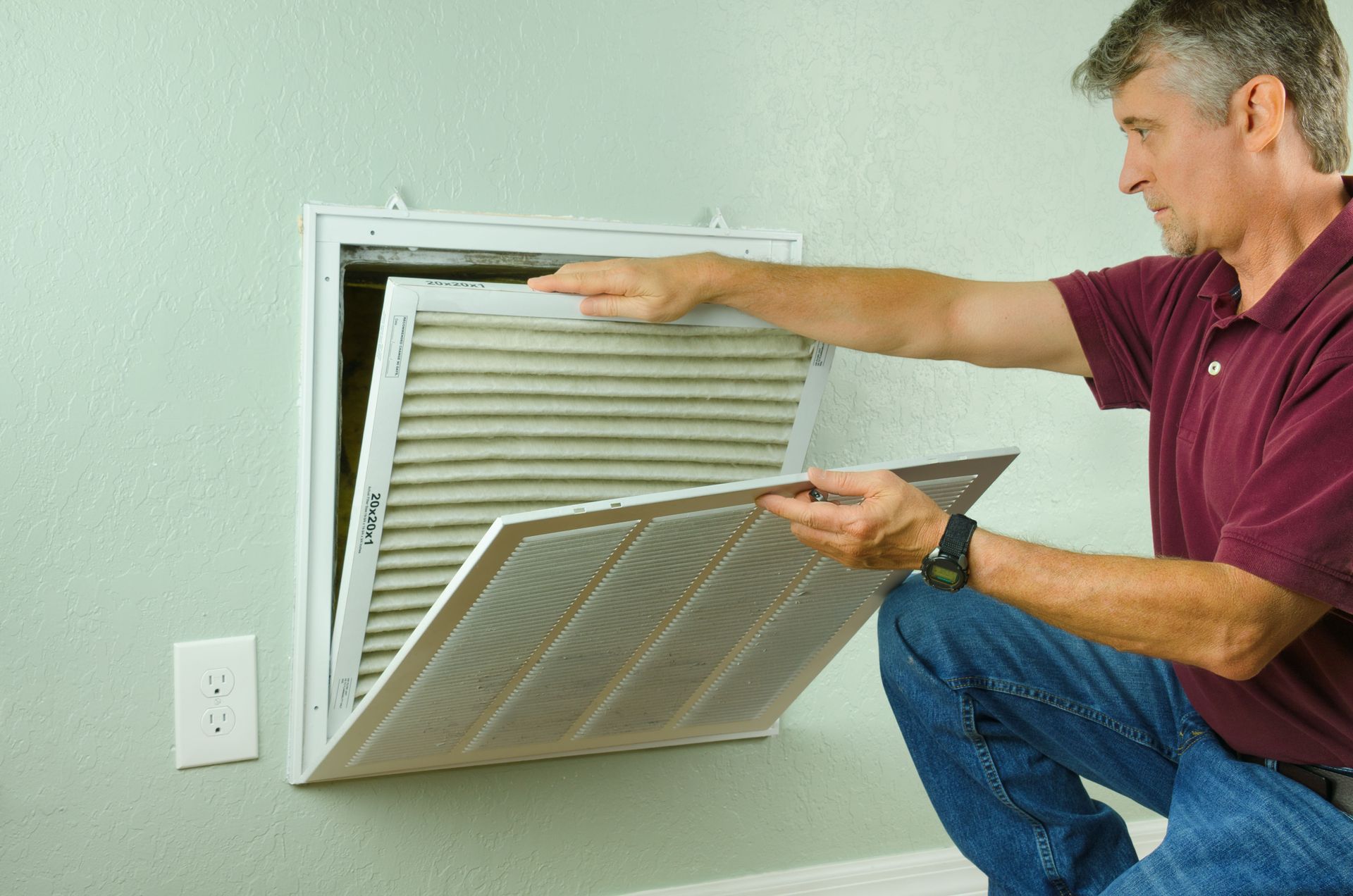
Routine AC maintenance includes cleaning and replacing filters, which are critical for trapping airborne particles. Clean filters ensure that the air circulating through your home or building is as fresh and healthy as possible. This is especially important for individuals with allergies or respiratory concerns. By keeping your HVAC system clean, you create a healthier indoor environment for everyone.
Eliminating Contaminants Through Duct Cleaning
Ductwork is responsible for distributing air throughout your space, but it can also become a source of contamination if not properly maintained. Dust, mold, and debris can accumulate within ducts over time, affecting both air quality and system efficiency.
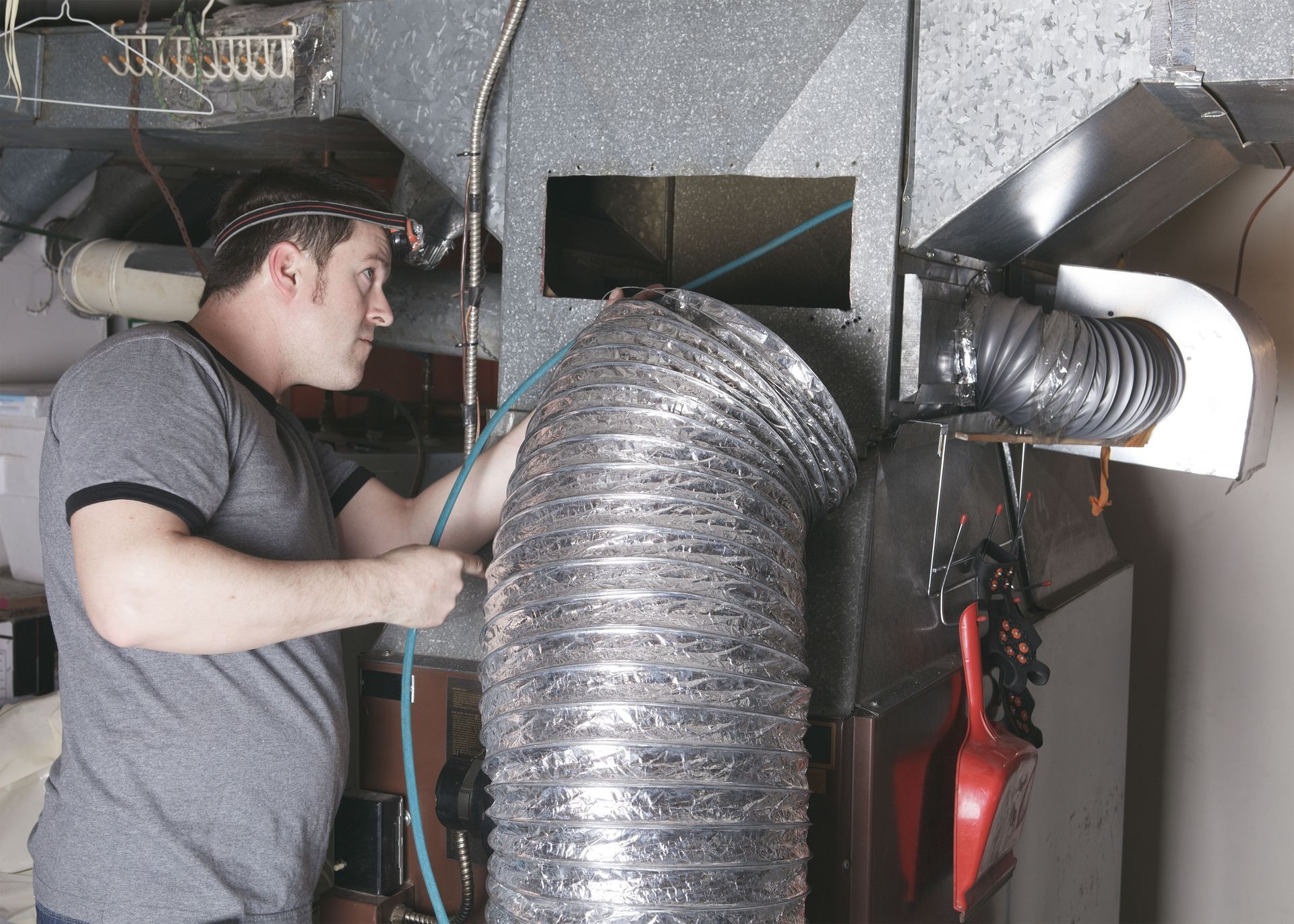
As part of comprehensive AC maintenance, duct inspections and cleanings help remove these pollutants. Clear ductwork allows air to flow freely, improving overall system performance while reducing the spread of contaminants. Maintaining clean ducts supports a healthier environment and ensures that your HVAC system operates as efficiently as possible.
Balancing Humidity for Comfort and Health
Humidity levels play a significant role in indoor comfort. Excess humidity can create a breeding ground for mold and mildew, while low humidity can cause dryness and irritation. Your HVAC system helps regulate these levels, but it requires proper maintenance to do so effectively.
Through regular AC maintenance, technicians can assess humidity control and make necessary adjustments. Ensuring balanced humidity contributes to a more comfortable living or working environment and helps protect against potential health issues. Maintaining proper humidity is another reason why consistent HVAC care is so important.
Minimizing Long-Term Costs
While some may view maintenance as an added expense, it actually helps reduce overall costs over time. Addressing small issues during routine visits is far more affordable than dealing with major repairs or system replacements. Preventative care keeps your system running efficiently and minimizes the likelihood of unexpected breakdowns.
Investing in AC maintenance allows you to plan for upkeep rather than react to emergencies. This proactive approach not only saves money but also reduces stress. By keeping your HVAC system in good condition, you avoid the financial burden of sudden and costly repairs.
Lowering Monthly Energy Expenses
An efficiently operating HVAC system consumes less energy, which directly impacts your monthly utility bills. When components are clean and properly adjusted, the system does not need to work as hard to maintain the desired temperature. This results in consistent energy savings over time.
Regular AC maintenance ensures that your system remains in peak condition, allowing it to operate as efficiently as possible. According to Forbes, you should schedule a professional HVAC maintenance check once every year. Following this recommendation helps maintain efficiency and keeps energy costs under control. Over time, these savings can add up significantly, making maintenance a smart financial decision.
HVAC system maintenance is essential for ensuring efficiency, reliability, and safety in any indoor environment. From improving energy performance to enhancing air quality, the benefits of regular care are far-reaching. Consistent AC maintenance helps extend the lifespan of your system, reduce operating costs, and prevent unexpected breakdowns. It also supports a healthier and more comfortable living or working space.
By making maintenance a priority, you take a proactive approach to protecting your investment and avoiding unnecessary complications. With routine inspections, timely repairs, and proper system care, your HVAC system can continue to perform at its best year after year. Ultimately, understanding why maintenance matters empowers you to make informed decisions that benefit both your comfort and your budget. Are you in the Olathe, KS area and looking for AC maintenance? Contact the professionals at Mike Bryant Heating & Cooling today.

Share On: