Why Regular Heating Maintenance Is Important for Energy Efficiency
Keeping your home comfortable during colder months requires a heating system that operates efficiently and reliably. As temperatures drop, furnaces and other heating equipment often run for extended periods, increasing energy consumption and placing additional demands on system components. Without proper care, even a well-installed heating system can gradually lose efficiency, resulting in higher utility bills, uneven temperatures, and more frequent repairs. Regular heating maintenance helps address these concerns by keeping equipment clean, identifying developing problems, and supporting consistent performance throughout the heating season.
Energy efficiency is especially important as heating technology continues to play a significant role in the broader building services industry. According to BDR, the global HVAC market is valued at $333 billion in 2026, reflecting the substantial demand for heating, ventilation, and air conditioning solutions. For homeowners, understanding how to maintain existing equipment can be just as important as choosing the right system in the first place. A proactive approach to heating care can reduce unnecessary energy waste, extend equipment life, and improve indoor comfort. By learning what heating maintenance accomplishes and when professional assistance is needed, homeowners can make informed decisions about their heating systems.
Improving System Performance Through Preventive Heating Maintenance
A heating system relies on multiple components working together to produce and distribute warm air. Over time, dust, dirt, and normal wear can interfere with this process. A dirty filter, restricted airflow, or poorly functioning component may force the equipment to work harder to maintain the desired indoor temperature.
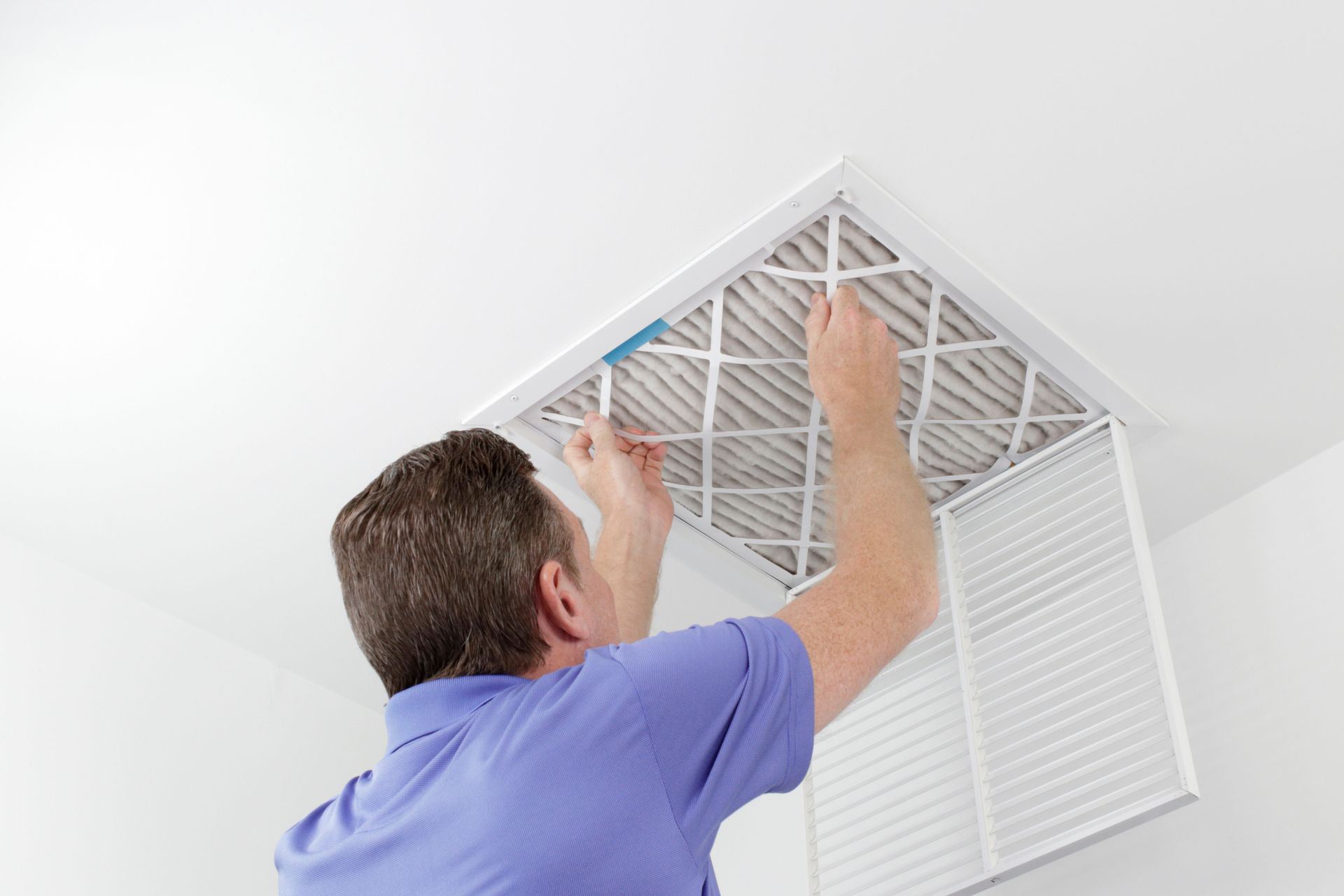
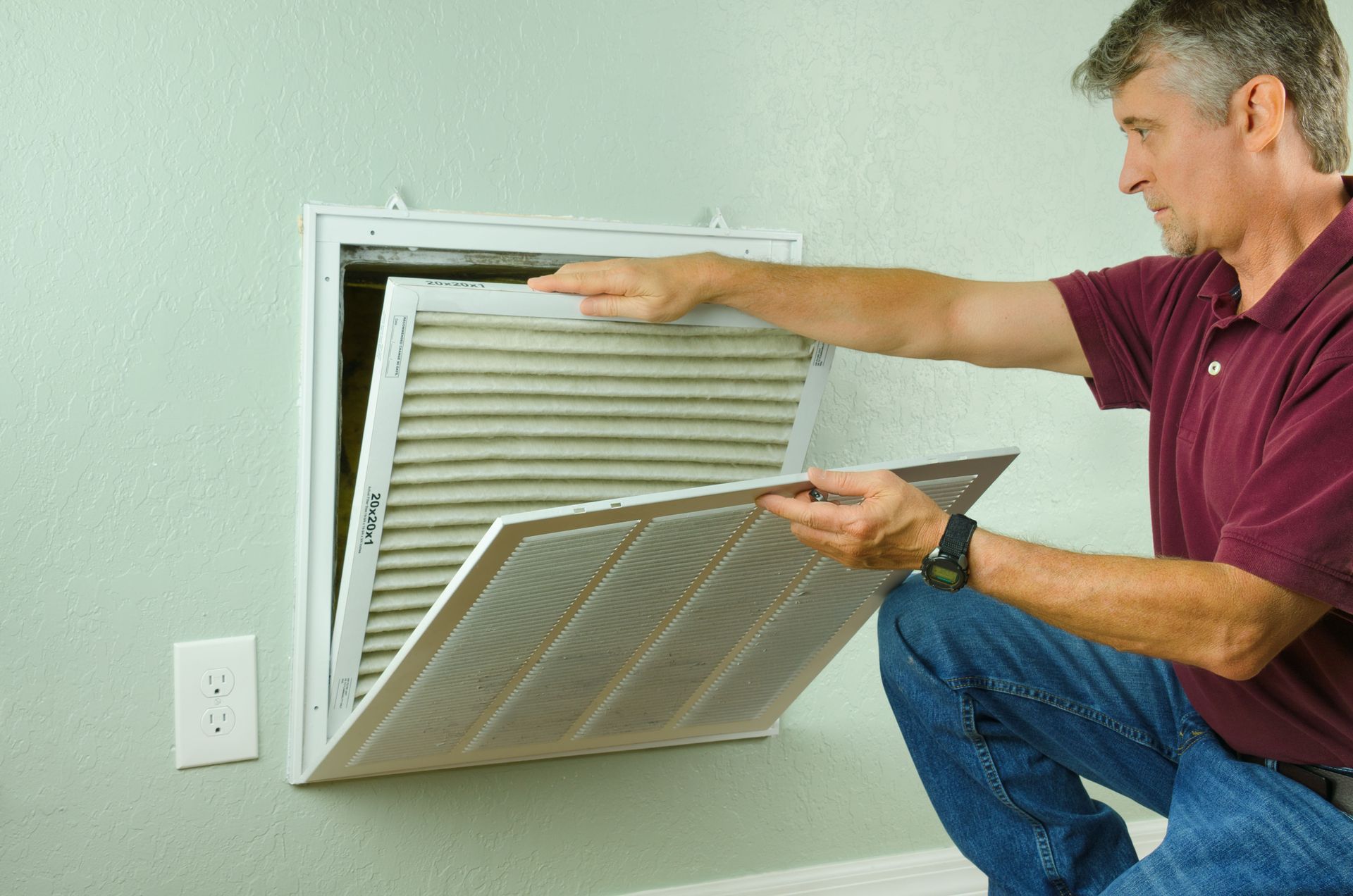
Routine maintenance helps address these issues before they significantly affect performance. Replacing or cleaning filters as appropriate, inspecting system components, and checking airflow can help a heating system operate under suitable conditions. When air moves freely through the equipment, the system can distribute heat more effectively without unnecessary strain.
Homeowners should also pay attention to changes in heating performance. Rooms that take longer to warm up, unusual noises, or increasingly long operating cycles may indicate that something needs attention. Although these symptoms do not always point to a major problem, they should not be ignored.
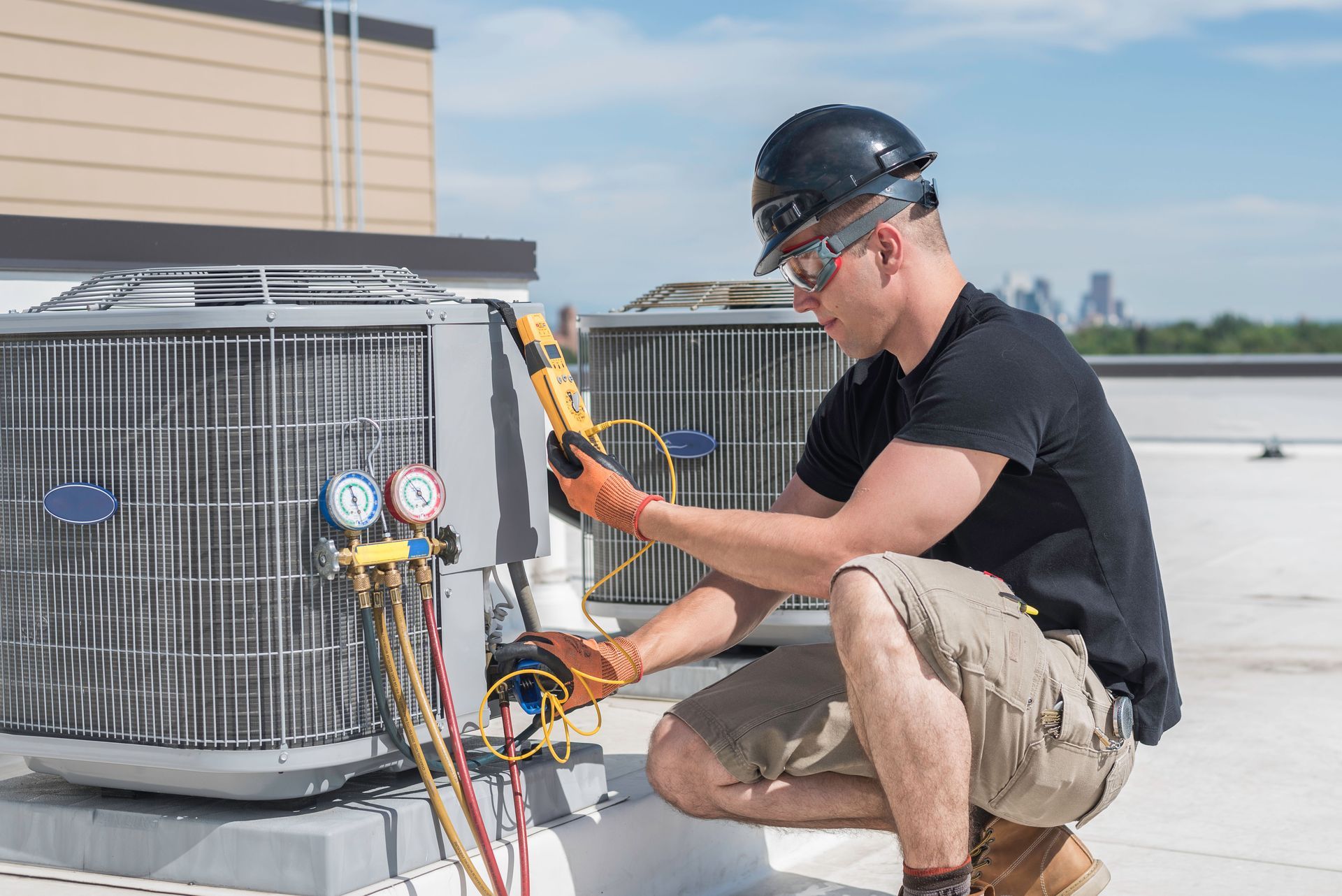
Preventive care is most effective when it combines simple homeowner tasks with professional inspections. While residents can often replace accessible filters, trained technicians can evaluate internal components, identify performance concerns, and recommend appropriate corrective work.
Reducing Energy Waste and Lowering Utility Bills
Heating costs can account for a considerable portion of household energy use in colder climates. When equipment operates inefficiently, it may consume more energy than necessary to maintain comfortable temperatures. Restricted airflow, dirty components, and malfunctioning controls can all contribute to wasted energy.
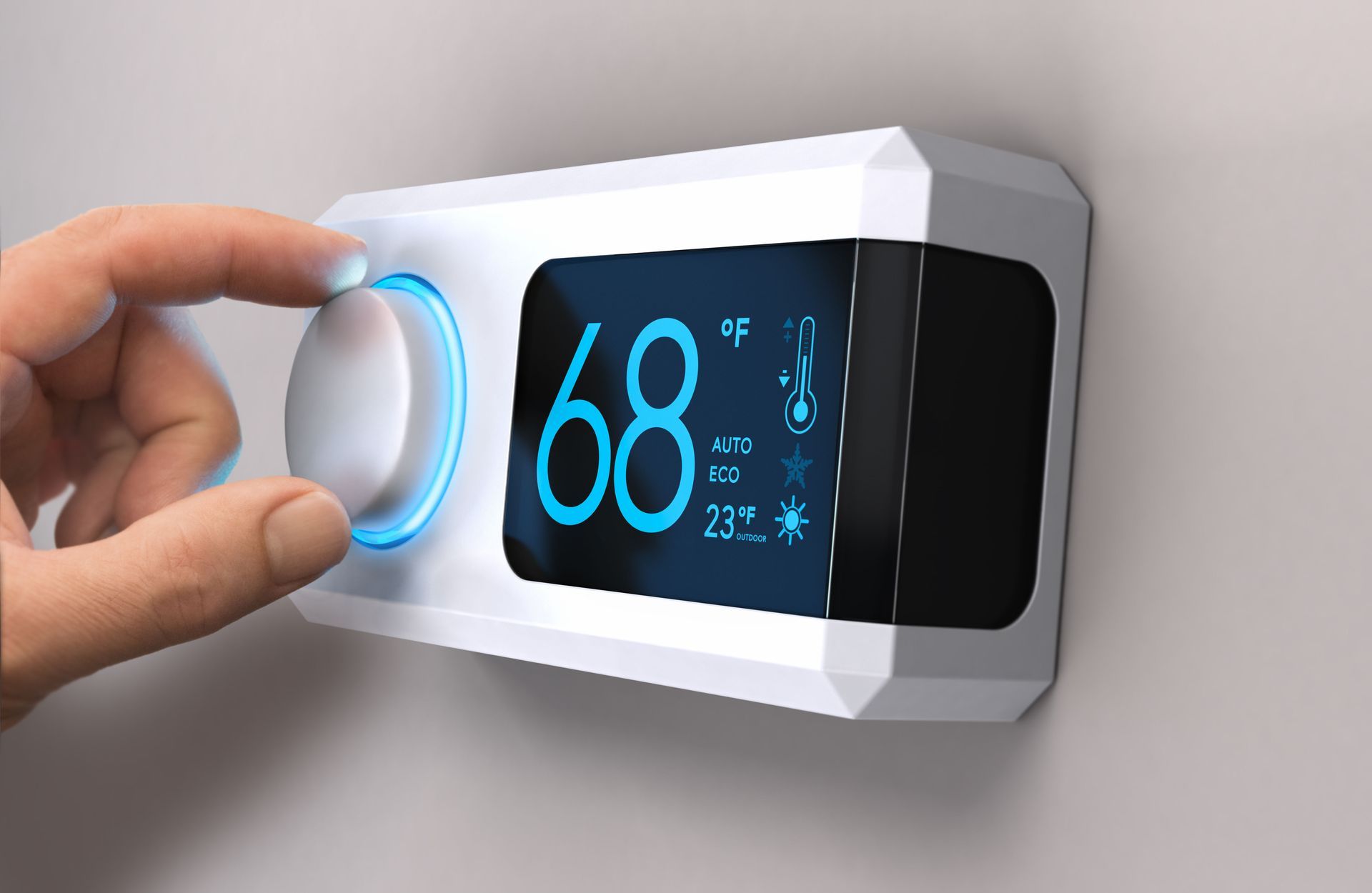
Regular heating maintenance helps reduce the likelihood of these problems by keeping the system in suitable operating condition. A technician can inspect important components, check thermostat operation, and identify issues that may cause excessive cycling or prolonged operation. Correcting these problems can help the equipment deliver heat more effectively.
However, maintenance does not guarantee a specific reduction in energy bills. Actual savings depend on factors such as equipment age, existing condition, insulation, outdoor temperatures, thermostat settings, and household habits. A newer system that already receives proper care may experience smaller improvements than older equipment with neglected components.
Homeowners can support these efforts by setting reasonable thermostat temperatures, sealing drafts, and keeping supply and return vents unobstructed. Combining these habits with professional service creates a more comprehensive approach to energy management.
Extending Equipment Life Through Early Detection
Heating systems represent a significant household investment, so getting as much useful service life as possible from existing equipment is a practical goal. Components experience wear during normal operation, particularly when systems run frequently throughout winter. If small issues remain unresolved, they can place additional stress on other parts of the equipment.
Scheduled inspections give technicians an opportunity to identify worn components, loose electrical connections, airflow restrictions, and other developing concerns. Addressing an issue early may prevent further damage and reduce the likelihood of an unexpected breakdown during especially cold weather.
A system that receives appropriate care may also maintain its performance more consistently over time. Although heating maintenance cannot prevent every mechanical failure or guarantee a particular lifespan, it can help homeowners make informed decisions about repairs, replacement, and ongoing operating costs.
Equipment age should also factor into maintenance decisions. Older systems may need more frequent repairs or consume more energy than newer, properly sized models. A qualified professional can assess the condition of existing equipment and explain whether continued maintenance, a repair, or eventual replacement makes the most practical financial sense.
Maintaining Consistent Comfort Throughout the Home
Energy efficiency involves more than the amount of electricity or fuel a heating system consumes. It also concerns how effectively the equipment delivers warmth throughout the home. A system that runs continuously but leaves certain rooms cold may indicate airflow problems, thermostat issues, inadequate insulation, or equipment that is not suited to the property's heating demands.
Professional maintenance can help identify some of these underlying causes. Technicians can inspect accessible ductwork, evaluate airflow, and check whether the thermostat is responding appropriately. These assessments help determine whether uneven temperatures originate within the heating equipment or stem from other conditions in the home.
Homeowners can contribute by keeping vents clear of furniture and curtains, checking for noticeable drafts, and avoiding frequent, unnecessary thermostat adjustments. If temperature differences persist, a professional evaluation is preferable to repeatedly raising the thermostat, which may increase energy use without resolving the underlying problem.
Consistent indoor temperatures can make living spaces more comfortable while helping the heating system operate according to household needs. Addressing distribution problems also helps homeowners avoid wasting energy in an attempt to compensate for rooms that never seem to warm up.
Protecting Safety and Supporting Reliable Operation
Heating efficiency should never come at the expense of household safety. Depending on the type of equipment installed, heating systems may involve combustion, fuel connections, electrical components, and exhaust ventilation. Problems affecting these areas can create risks that require prompt attention from a qualified technician.
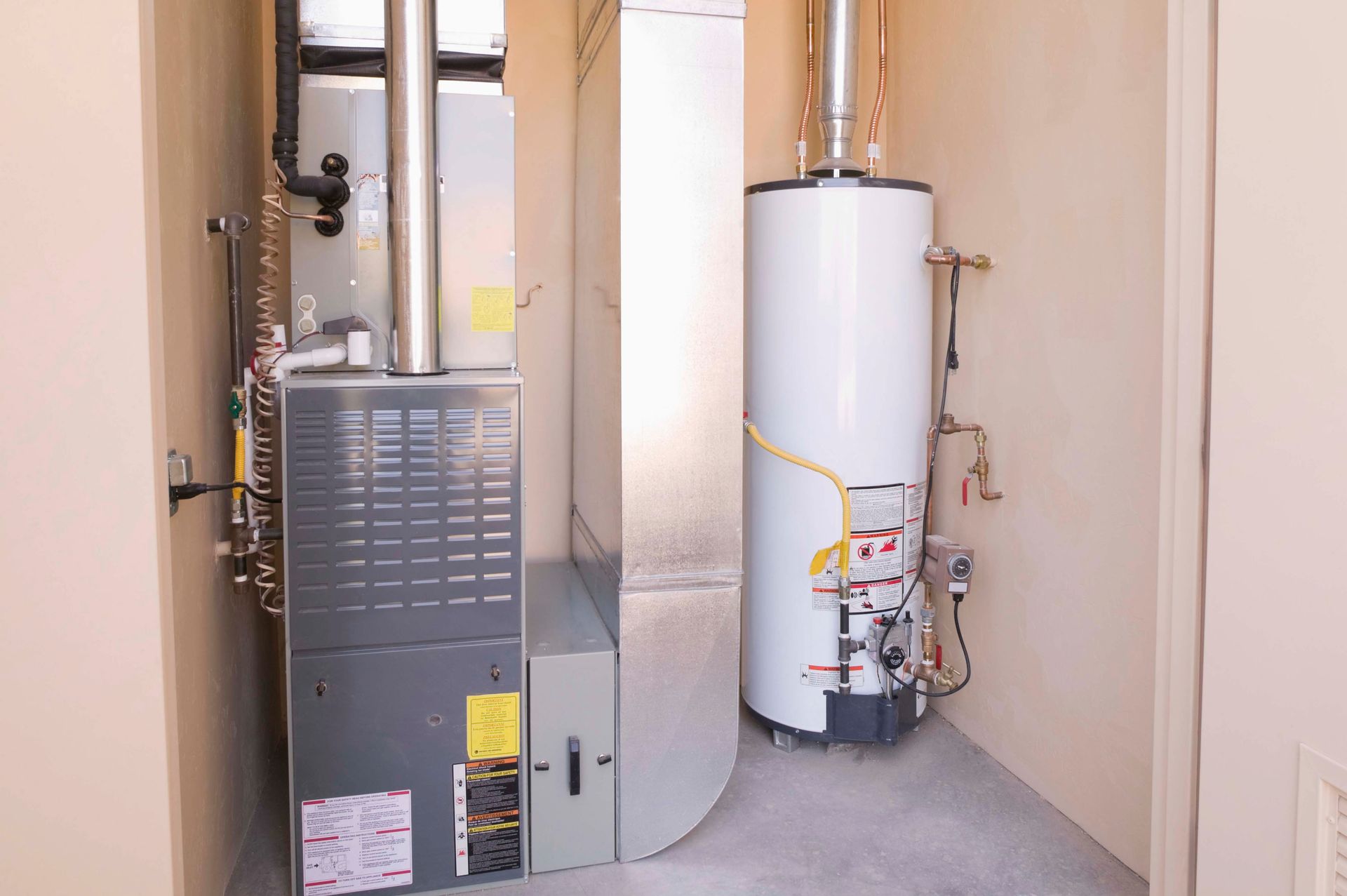
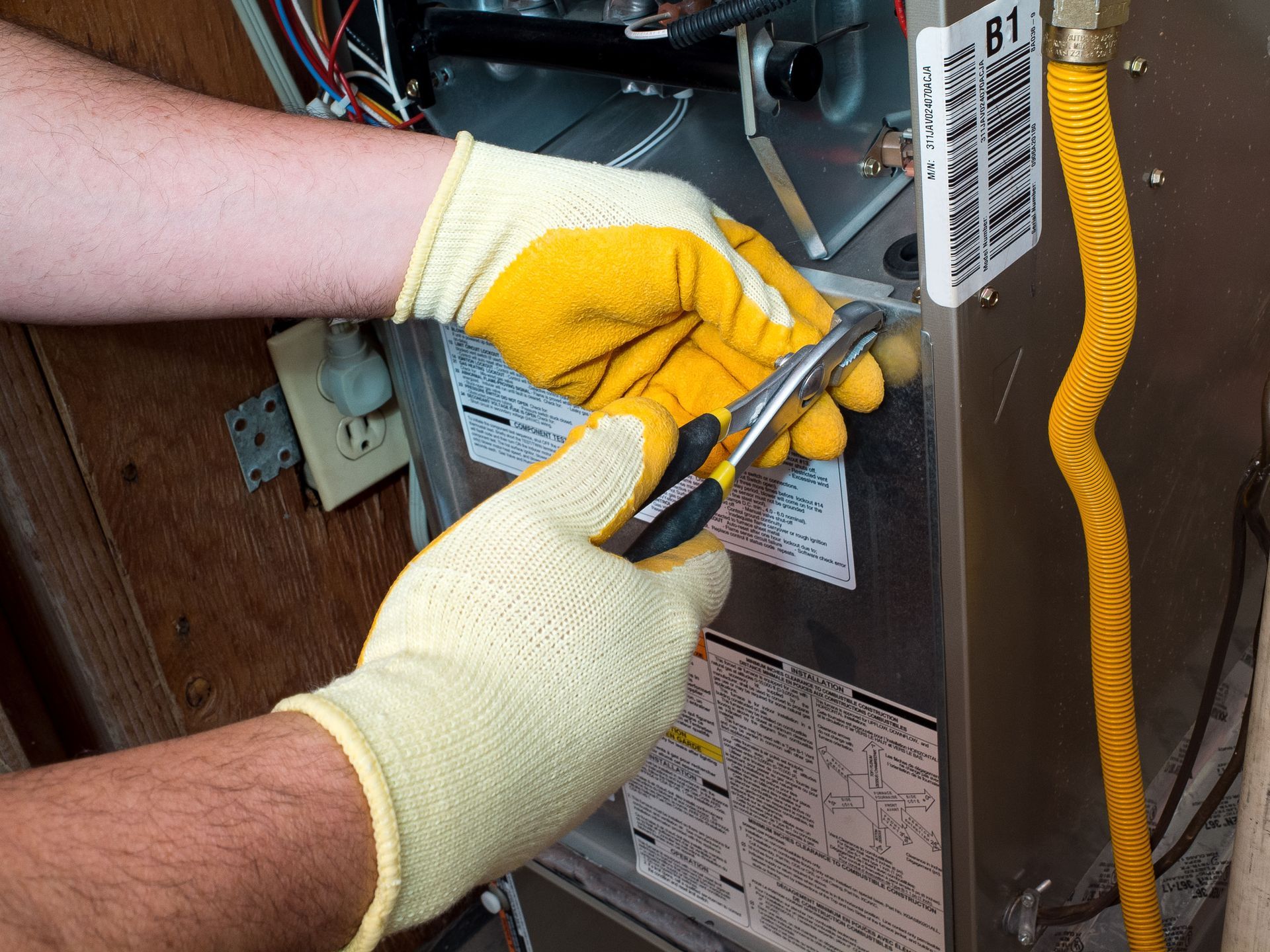
For gas furnaces, professional inspections may include checking relevant combustion and venting components for proper operation. Technicians can also assess electrical connections, inspect accessible equipment, and identify signs of damage or abnormal performance. These checks support reliable operation while helping uncover conditions that may interfere with efficiency.
Homeowners should install carbon monoxide detectors where required and follow the manufacturer's recommendations for placement, testing, and replacement. A carbon monoxide alarm, gas odor, or suspected exhaust problem requires immediate attention. Leave the affected area if carbon monoxide exposure or a gas leak is suspected, and contact emergency services or the appropriate utility provider from a safe location.
Routine servicing is not a substitute for safety alarms or urgent repairs. Instead, it forms one part of a broader strategy that includes proper installation, responsible operation, and prompt responses to warning signs.
Preparing Heating Equipment Before Winter Arrives
The timing of heating maintenance can influence how prepared a system is for periods of heavy use. Scheduling an inspection before cold weather settles in gives homeowners an opportunity to address concerns before they become urgent. It can also reduce the inconvenience of discovering a problem when heating demand is at its highest.
A seasonal appointment typically allows a technician to assess the system's condition, check relevant controls, inspect components, and recommend repairs where necessary. The precise tasks depend on the equipment type, manufacturer instructions, system condition, and applicable safety requirements.
Between appointments, homeowners should monitor filter condition and replace filters according to manufacturer guidance and household needs. Homes with pets, significant dust, or frequent system use may require more frequent filter changes. It is also helpful to keep the area around heating equipment clear and maintain access for inspections and repairs.
Consistent attention throughout the year makes
heating maintenance easier to manage. Rather than waiting for a breakdown, homeowners can plan service around their schedules, discuss concerns before winter, and budget for repairs when they are less disruptive.
At Mike Bryant Heating & Cooling LLC, we can help you keep your heating system operating reliably with professional heating services suited to your home's needs. Contact us today to discuss maintenance and heating concerns, schedule service, and take a proactive step toward improved comfort and energy efficiency.

Share On: