Is New AC Installation Worth It Before Summer?
As temperatures begin to rise, a dependable air conditioning system becomes increasingly important for household comfort. In Kansas, summer weather can bring prolonged heat, high humidity, and periods of intense sunshine. These conditions place considerable demands on residential cooling equipment, especially systems that have been operating for many years.
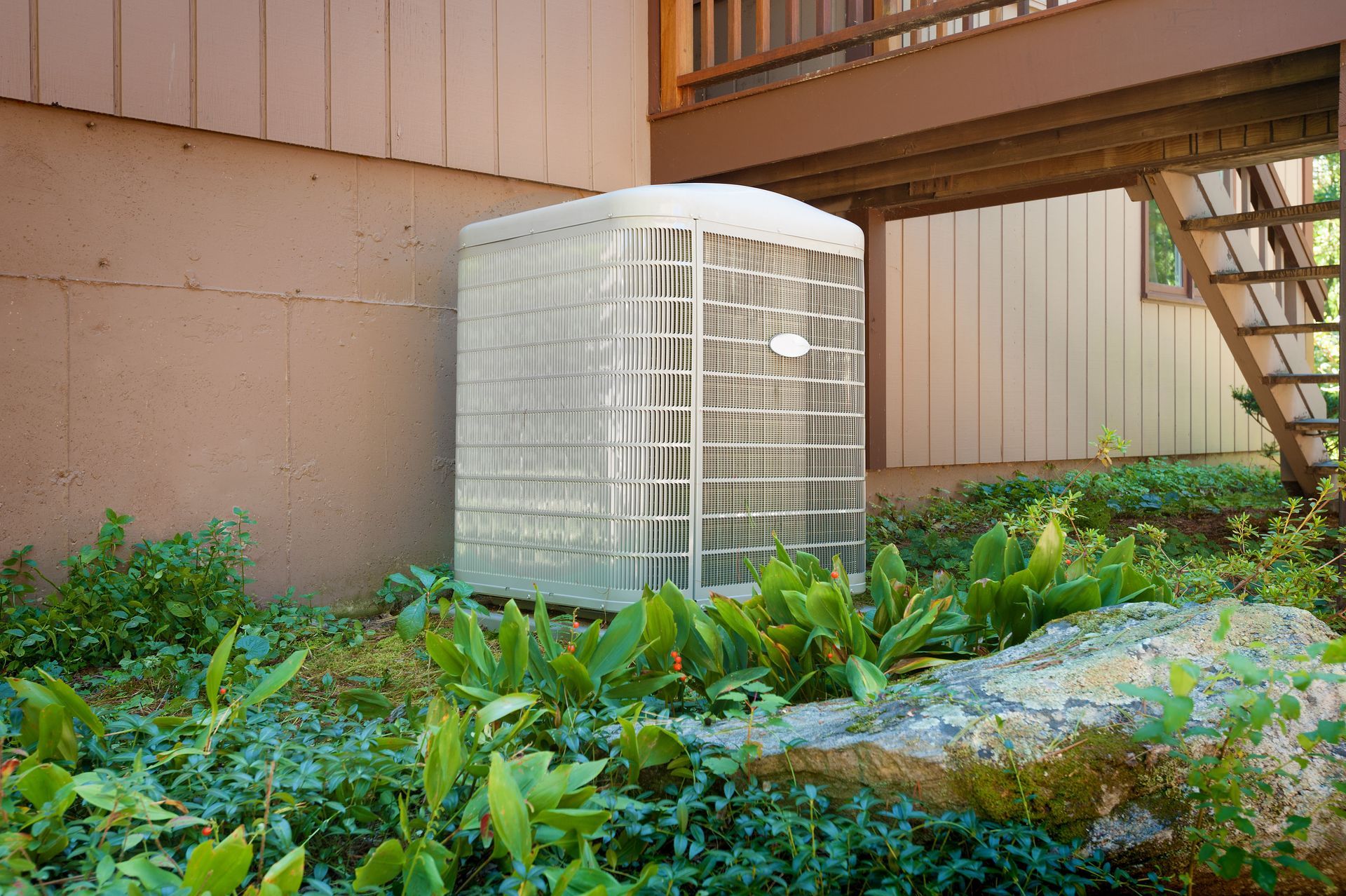
For homeowners with aging or unreliable air conditioners, spring can be an ideal time to consider an upgrade. A new AC installation may offer improved energy efficiency, more consistent indoor temperatures, quieter operation, and greater peace of mind before the hottest months arrive.
According to HomeGuide, most air conditioning units have an expected service life of approximately 15 to 20 years. Although proper maintenance can help extend equipment life, performance may gradually decline as components age. Understanding the condition of an existing system can help homeowners determine whether continued repairs or replacement makes more financial sense.
Planning ahead also provides an opportunity to explore available equipment options without waiting for an unexpected breakdown during peak summer temperatures.
Recognizing the Signs of an Aging Cooling System
Air conditioners often provide warning signs when they are approaching the end of their useful service life. Some symptoms develop gradually, making them easy to overlook until cooling performance becomes noticeably worse.
One common indication is frequent repair needs. While occasional service is normal, repeated component failures can make maintaining an older system increasingly expensive. Homeowners may find themselves paying for repairs more frequently without achieving dependable performance.
Another concern is inconsistent cooling. Certain rooms may feel comfortable while others remain warm, even when the thermostat is set to the desired temperature. Reduced airflow, worn components, and declining system performance can contribute to these problems.
Unusual noises, excessive operating cycles, and rising energy bills may also indicate that an air conditioner is struggling. Although these symptoms do not automatically mean a new AC installation is necessary, they deserve professional attention.
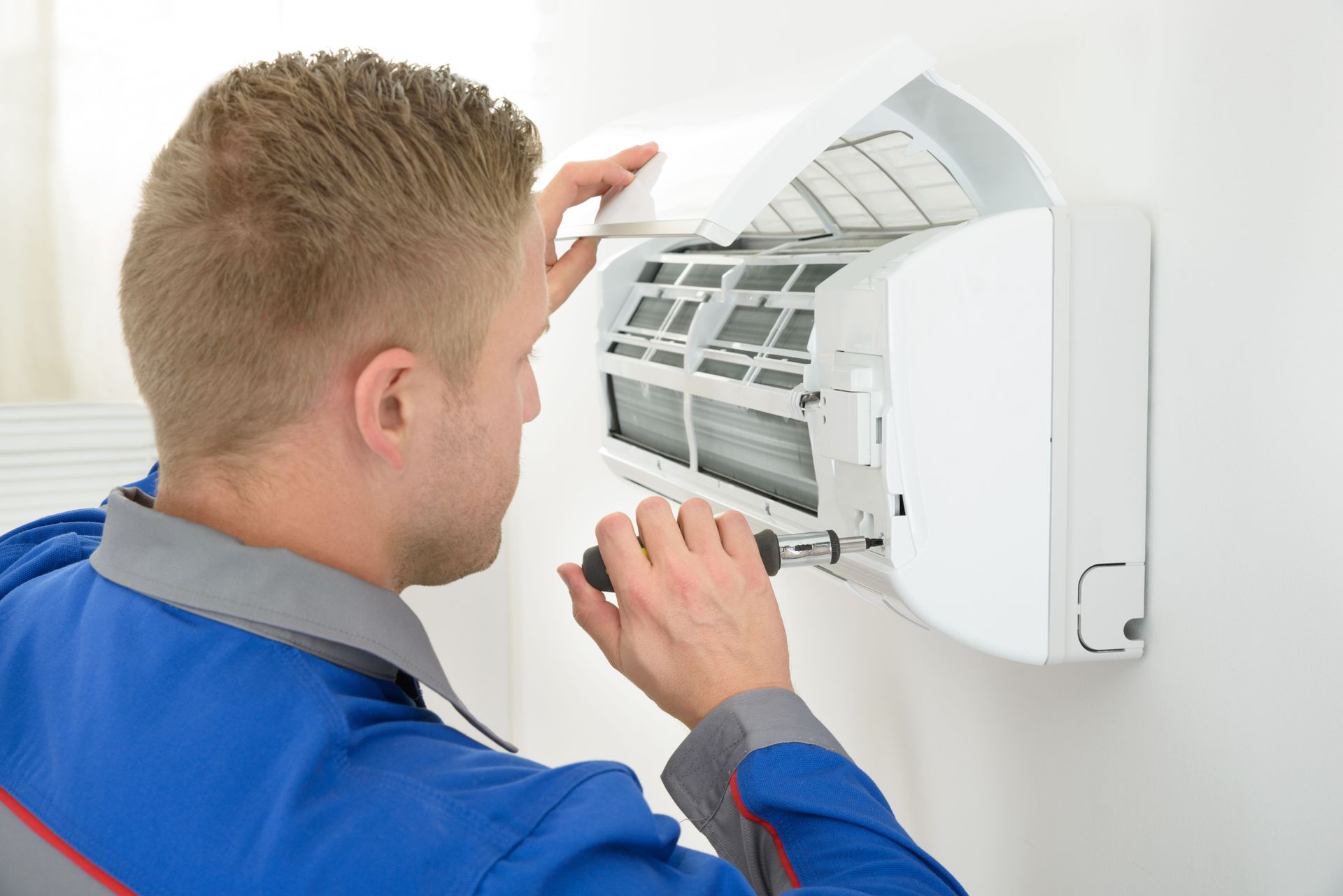
A qualified HVAC technician can evaluate the equipment, identify underlying issues, and explain whether repairs remain practical. This assessment helps homeowners make informed decisions based on the system's condition, household comfort needs, and long-term operating costs.
Improving Energy Efficiency and Monthly Savings
Energy consumption is an important consideration when evaluating an older cooling system. Air conditioners that have experienced years of wear may require more electricity to maintain comfortable indoor temperatures.
Modern cooling equipment is designed with efficiency improvements that can help reduce unnecessary energy consumption. Depending on the selected model, homeowners may benefit from improved compressor technology, variable-speed operation, advanced controls, and higher seasonal efficiency ratings.
A properly selected new AC installation can help reduce cooling expenses when the replacement equipment is more efficient than the existing system. However, actual savings depend on several factors, including equipment size, insulation, ductwork condition, thermostat settings, maintenance, and household usage.
Homeowners should also consider the equipment's SEER2 rating, which measures seasonal cooling efficiency under standardized testing conditions. Comparing ratings can provide useful insight into how different systems perform.
An HVAC professional can explain the differences between available models and help identify equipment that balances efficiency, performance, and budget. Selecting an appropriately sized system is equally important because oversized and undersized equipment can both create operational challenges.
Over time, improved efficiency may contribute to lower utility expenses while providing more dependable indoor comfort.
Enhancing Indoor Comfort During Kansas Summers
Kansas summers can be particularly demanding for residential cooling systems. Extended periods of high temperatures can make indoor comfort difficult to maintain, especially when an older air conditioner struggles to keep up with household cooling demands.
A modern air conditioning system can offer more consistent temperature control. Certain models feature variable-speed compressors and advanced fan technology that adjust operation according to changing cooling requirements.
These features can help reduce noticeable temperature fluctuations and create a more comfortable indoor environment. Improved humidity management may also contribute to a more pleasant atmosphere during humid summer weather.
Another benefit is quieter operation. Aging air conditioners can become increasingly noisy as mechanical components wear down. Newer equipment may incorporate improved insulation, quieter compressors, and more refined operating technology.
A professional evaluation can help determine which system features would provide the greatest benefit for a particular home. Factors such as square footage, ceiling height, insulation, window placement, and existing ductwork all influence cooling requirements.
Investing in equipment that matches the home's characteristics can make a meaningful difference in everyday comfort.
Avoiding Unexpected Breakdowns During Peak Season
One of the biggest disadvantages of waiting until summer to replace an unreliable air conditioner is the possibility of an unexpected breakdown during extreme heat.
When temperatures climb, cooling systems often operate for extended periods. Older equipment may struggle under these conditions, particularly when components are already worn or performance has declined.
A breakdown during the hottest part of summer can disrupt household routines and create uncomfortable indoor conditions. Families may also face limited scheduling availability when HVAC companies experience increased demand during peak cooling season.
Planning a replacement during spring can provide greater flexibility. Homeowners have more time to compare equipment, review estimates, discuss installation requirements, and coordinate service appointments.
A new AC installation completed before summer also gives homeowners an opportunity to become familiar with their updated system before temperatures reach their highest levels.
Taking care of replacement needs early can reduce the stress associated with last-minute decisions and help households enter the cooling season with greater confidence.
Evaluating the Long-Term Value of Replacement
The initial cost of replacing an air conditioner is an important consideration, but it should not be the only factor influencing the decision. Long-term operating expenses, repair frequency, energy efficiency, and expected equipment performance also contribute to overall value.
An older system that requires frequent repairs may become more expensive to maintain over time. Even when individual repairs seem manageable, recurring service costs can accumulate.
Replacement may provide a more predictable approach to managing household cooling expenses. New equipment also typically includes manufacturer warranty coverage, although specific terms, conditions, and coverage periods vary by model.
Homeowners should review warranty details carefully and understand any maintenance or registration requirements associated with their selected equipment.
Financing options may also be available, depending on the provider and current programs. Discussing these possibilities with an HVAC professional can help homeowners understand their options and plan around their household budget.
The most appropriate decision depends on the existing system's condition, the cost of necessary repairs, and the benefits offered by replacement equipment. A professional assessment provides the information needed to evaluate these factors realistically.
Choosing the Right Air Conditioning System
Not every home requires the same type or size of air conditioner. Choosing suitable equipment involves evaluating the property's layout, cooling demands, existing infrastructure, and household preferences.
Central air conditioning systems remain a popular option for homes with compatible ductwork. Ductless mini-split systems may be appropriate for certain properties, additions, or areas where traditional ductwork is unavailable or impractical.
Equipment sizing is another essential consideration. HVAC professionals typically evaluate factors such as insulation, windows, orientation, ceiling heights, and local climate conditions when determining cooling requirements.
Professional HVAC guidance ensures proper system sizing, installation, and performance. A new AC installation can improve efficiency, comfort, and reliability during Kansas summers. Schedule a spring evaluation with an experienced HVAC team to explore your options and prepare your home for the warmer months ahead.
For expert guidance on your home's cooling needs, contact Mike Bryant Heating & Cooling LLC today to schedule a consultation, explore your air conditioning options, and get your Kansas home ready for summer!

Share On: