
Why More Homeowners Are Considering Heat Pumps for Year-Round Comfort
A comfortable home should respond to changing seasons without forcing homeowners to adjust their routines. Summer humidity, chilly winter mornings, and temperatures during spring and fall can all place demands on heating and cooling equipment. As households manage these conditions, more are exploring systems that provide both heating and cooling from one setup.
Heat pumps have become an appealing option because they move heat rather than generate it through combustion or electric resistance alone. That approach can offer efficient temperature control with one system. Still, choosing a system requires careful comparison. Understanding performance, installation requirements, operating costs, and ongoing care can help homeowners decide whether this technology fits their property and comfort expectations.
Understanding Heat Pump Operation
Traditional furnaces create heat, while conventional air conditioners remove heat from indoor spaces. Heat pumps use a refrigeration cycle to transfer heat in either direction. During warmer months, the system moves heat from inside a home to the outdoors, much like an air conditioner. In heating mode, it extracts available heat from outdoor air and transfers that energy indoors, even when the weather feels cold.
A reversing valve switches between these functions. This means one piece of equipment can manage two major seasonal needs, although some homes also use a supplemental heating source. Air-source models are common, while geothermal systems exchange heat with the ground and involve different installation requirements.
The important distinction is how the equipment uses energy. Rather than relying primarily on fuel combustion, an electric compressor helps move existing heat. Actual efficiency depends on outdoor temperatures, equipment ratings, installation quality, and how the system is operated.
Maintaining Year-Round Comfort
Comfort is not simply about reaching the temperature selected on a thermostat. Residents also notice uneven rooms, sudden temperature changes, drafts, and prolonged periods when the equipment runs loudly. Many modern heat pumps use variable-speed technology, allowing them to adjust output as heating or cooling needs change instead of repeatedly operating at full capacity.
This flexibility can help maintain steadier indoor temperatures when the weather shifts throughout the day. During cooling season, properly sized equipment can also remove moisture from the air, making rooms feel more comfortable without excessive cooling. Humidity control will vary with the climate, system design, and thermostat settings.
Homeowners should consider their everyday habits when assessing comfort needs. A household with occupied rooms on multiple floors may have different priorities than someone living in a compact, well-insulated home. Discussing these differences with an HVAC professional helps establish realistic expectations and identify equipment features that matter most.
Reducing Household Energy Waste
Efficiency often motivates homeowners to reconsider their existing heating and cooling systems. Because heat pumps transfer heat rather than produce all of it directly, they can deliver more heating energy than the electricity they consume under suitable conditions. The potential savings compared with a furnace, boiler, or electric resistance system depend on local utility rates, weather patterns, and the equipment being replaced.
Interest is already widespread. According to the International Energy Agency, more than 20% of U.S. households rely on heat pumps for space heating. That level of adoption reflects their growing role in residential heating, but popularity alone does not guarantee lower bills for every property.
Insulation, air sealing, and thermostat habits can substantially influence results. Drafty windows or poorly insulated attics allow conditioned air to escape, increasing the workload of even an efficient system. A comprehensive evaluation should examine both the equipment and the building itself before projected energy savings are used to justify an upgrade.
Adapting to Different Spaces
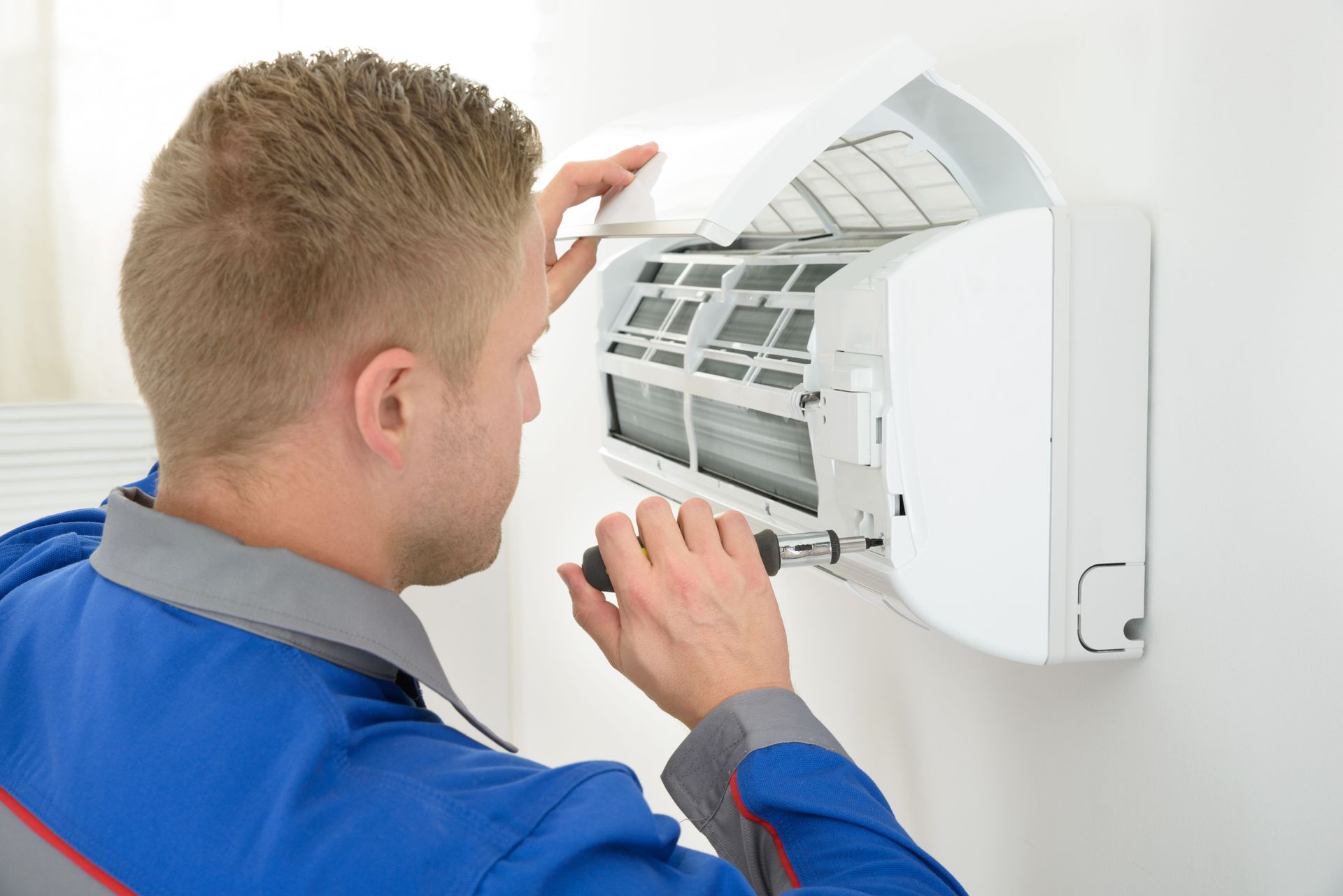
Homes differ in age, layout, ductwork, and available installation space. Fortunately, heat pumps come in configurations designed for a variety of situations. Ducted systems can distribute conditioned air through existing air channels, provided the ducts are appropriately sized and in good condition. Ductless mini-splits deliver heating and cooling directly to selected rooms using indoor units connected to an outdoor unit.
Ductless equipment can be particularly useful for additions, converted attics, or rooms that have never received adequate airflow from a central system. Some homeowners choose a combination of solutions to address difficult areas without replacing all existing equipment at once. However, adding indoor units does not automatically resolve problems caused by poor insulation or significant air leakage.
Correct sizing is essential in every configuration. An oversized unit may cycle inefficiently or struggle with humidity control, while an undersized system may fail to satisfy demand during extreme weather. A professional load calculation is more useful than selecting equipment based only on square footage.
Addressing Cold-Weather Performance
Cold weather raises understandable questions about equipment that extracts heat from outdoor air. Modern cold-climate heat pumps are engineered to operate at temperatures well below freezing, but available heating capacity and efficiency can change as outdoor temperatures fall. Not every model performs equally, making regional climate conditions an important part of the selection process.
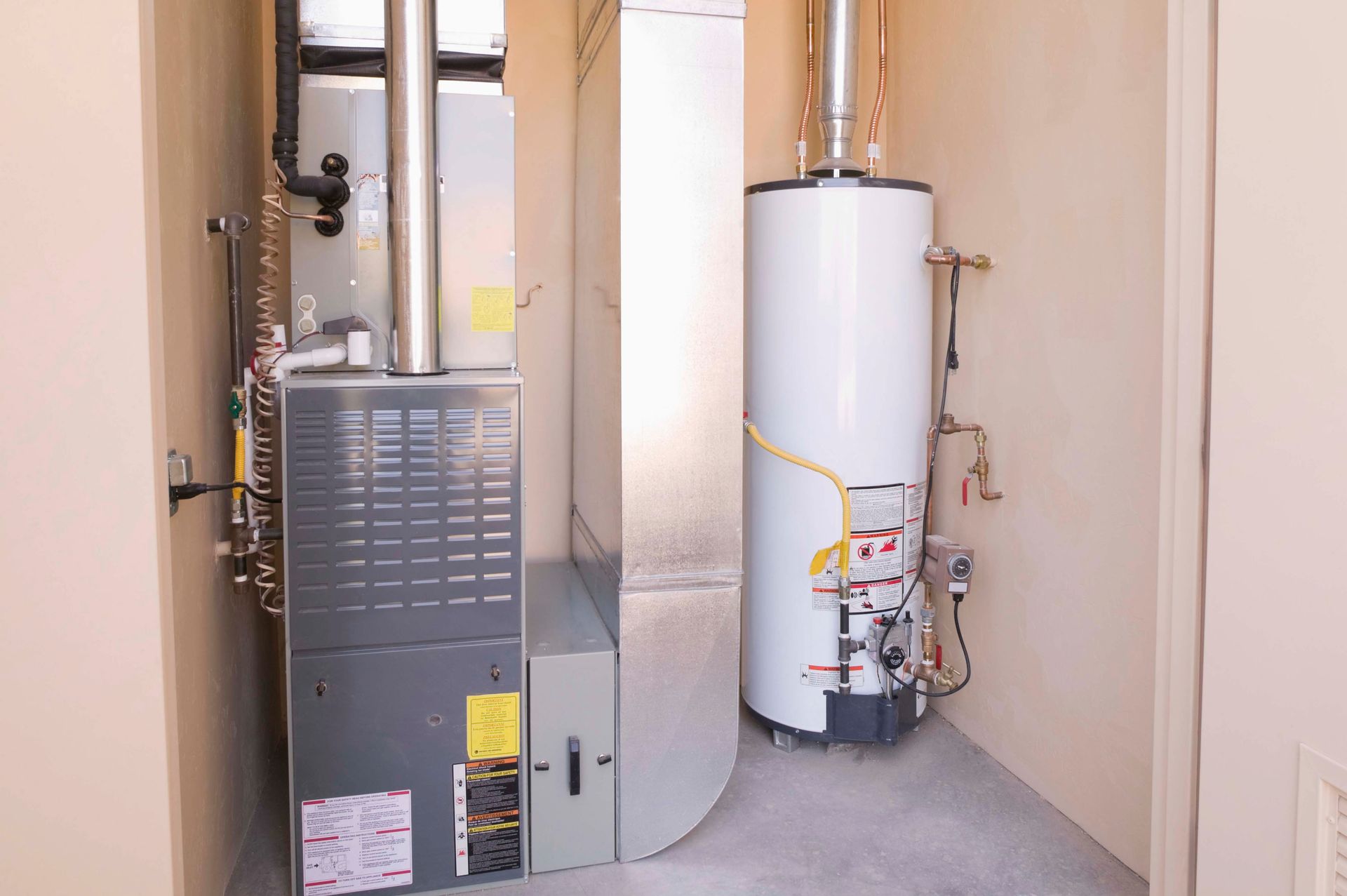
In colder regions, a contractor may recommend a system designed specifically for low temperatures or a dual-fuel arrangement that pairs a heat pump with an existing furnace. Supplemental electric heat is another possibility, depending on the home and system design. These approaches can help meet heating demand when outdoor conditions become especially challenging.
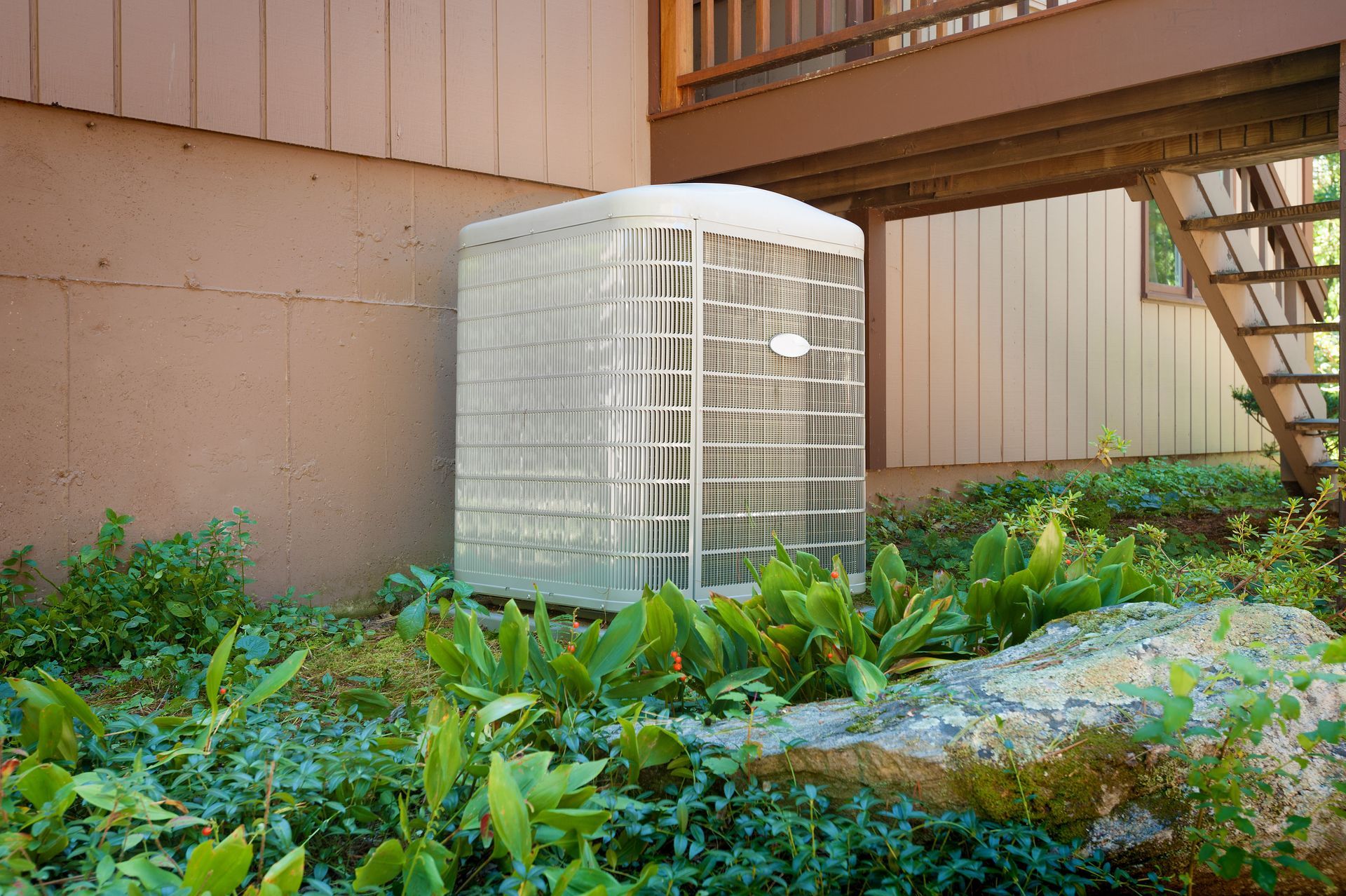
Homeowners should also understand normal winter operation. Outdoor coils may accumulate frost, prompting the equipment to run periodic defrost cycles. Proper drainage and clear space around the outdoor unit help it function as intended. Performance discussions should focus on the exact model's published capabilities rather than general assumptions about the technology.
Evaluating Costs and Incentives
The initial price of a new heating and cooling system includes more than the equipment itself. Electrical work, duct modifications, refrigerant lines, indoor unit placement, and labor can all affect the final estimate. Depending on the home's condition, necessary improvements to insulation or airflow may add to the project budget.
When comparing heat pumps with alternative systems, homeowners should review expected operating costs alongside installation expenses. A lower upfront quote may not represent better long-term value if the proposed equipment is poorly matched to the home. Likewise, higher-efficiency models do not automatically deliver enough savings to offset every additional dollar spent.
Utility programs, manufacturer promotions, and government incentives may affect affordability, but availability and eligibility can change. Homeowners should confirm current requirements before counting on a rebate or tax benefit. Requesting a written estimate that explains equipment specifications, installation scope, warranty coverage, and potential upgrades makes comparisons clearer and reduces the chance of unexpected costs.
Protecting Long-Term Performance
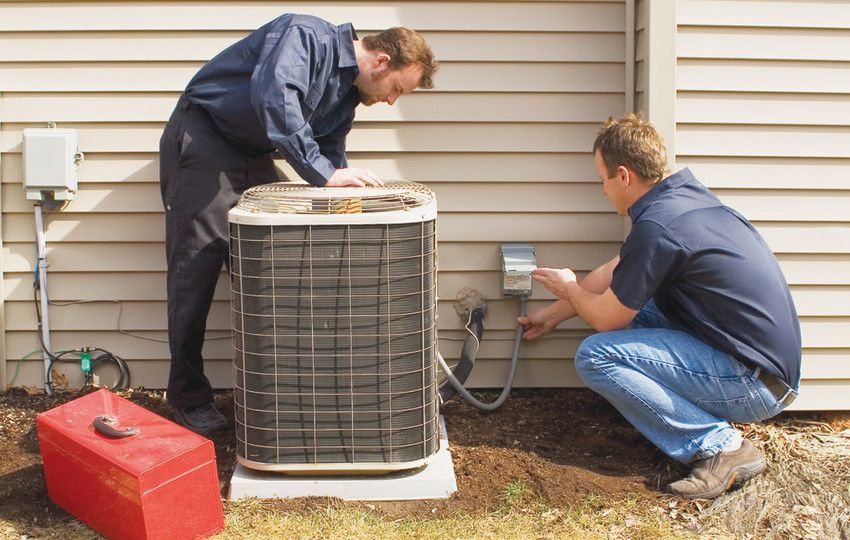
A properly installed system still needs routine attention to maintain performance. Dirty filters restrict airflow, while blocked outdoor coils, drainage problems, and worn components can reduce efficiency or contribute to breakdowns. Homeowners can help by replacing or cleaning filters as directed, keeping outdoor units clear of debris, and watching for changes in noise or comfort.
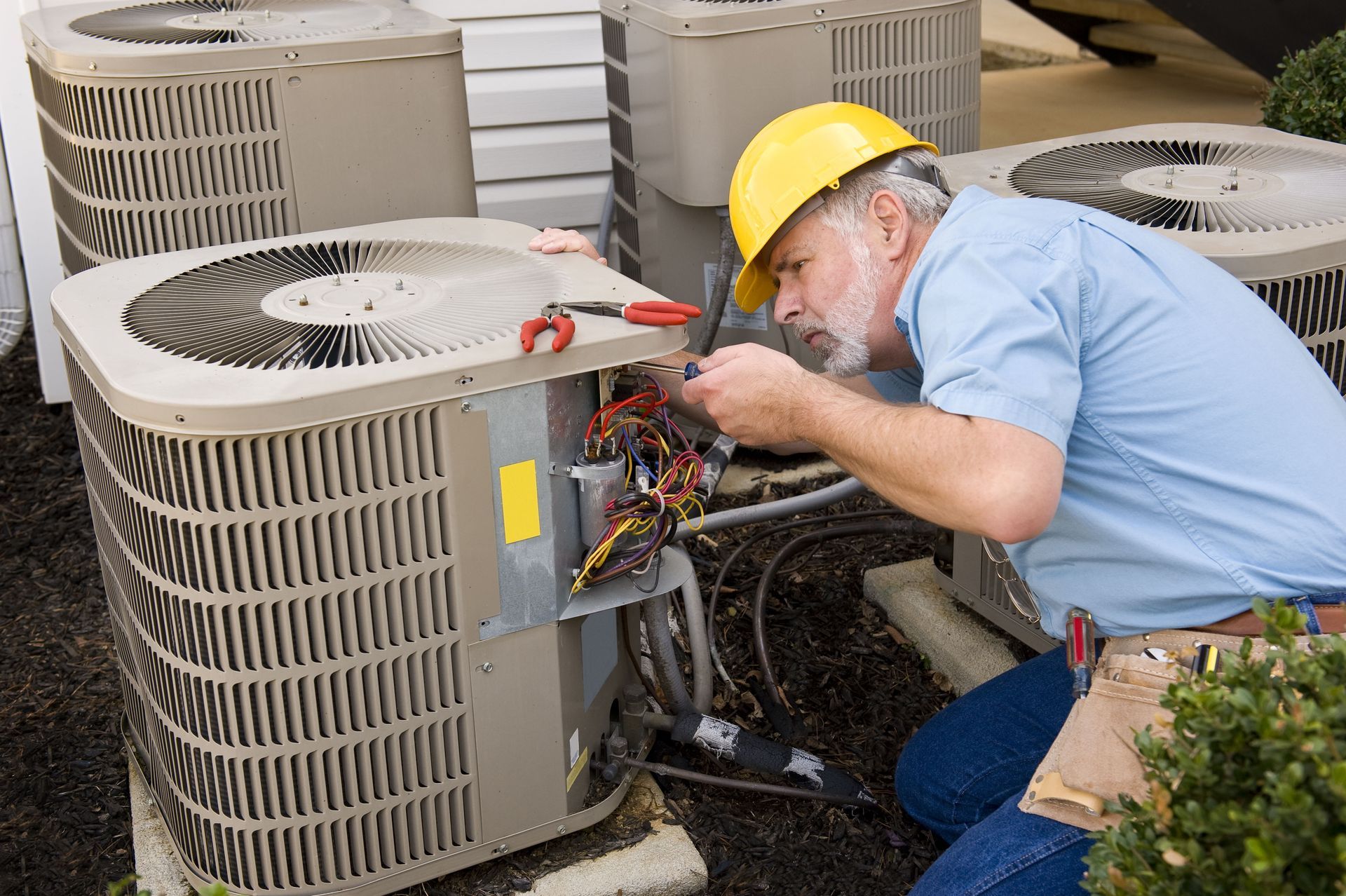
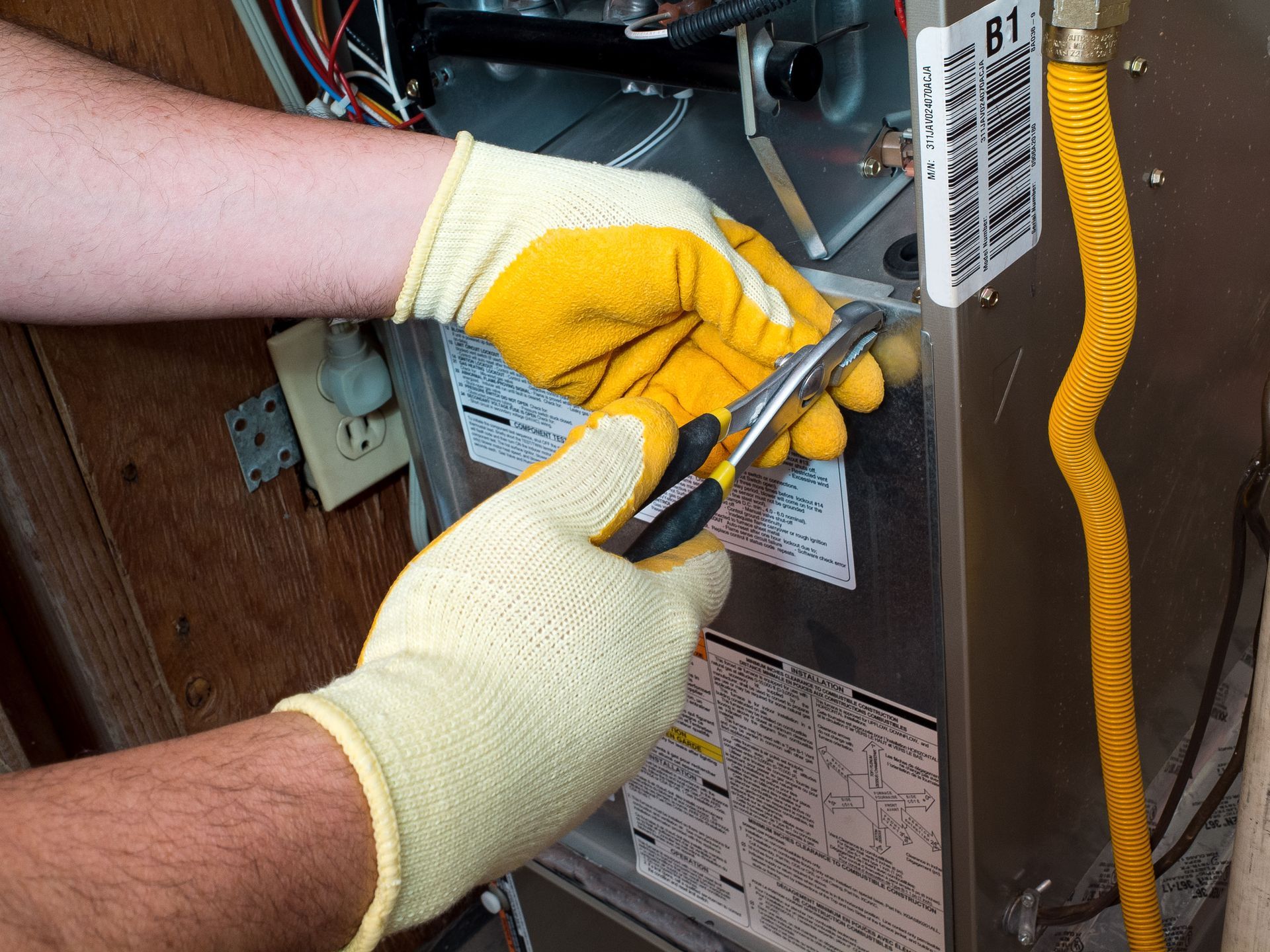
Professional maintenance allows a technician to inspect electrical connections, refrigerant-related performance, condensate drainage, and other components that require specialized knowledge. Because heat pumps may run in both summer and winter, service planning should account for year-round use rather than focusing on only one season.
It is also useful to track recurring problems, unusual energy bills, or rooms that never reach their set temperature. These signs may indicate a maintenance issue, an installation concern, or limitations elsewhere in the home. With informed equipment selection and consistent care, homeowners can make a practical decision about year-round comfort. Call Mike Bryant Heating & Cooling LLC today to schedule your heating or cooling service.

Share On: